1 hour ago
Days after the Pakistani establishment's massacre in Pakistan-occupied Kashmir's Rawalakot left at least 11 people dead, the illegally occupied region remains tense on Tuesday. Videos circulating, however, claim the toll to be in the dozens. Authorities have said that they would block the planned long march in POK by protesters even as the latter is determined to push through.
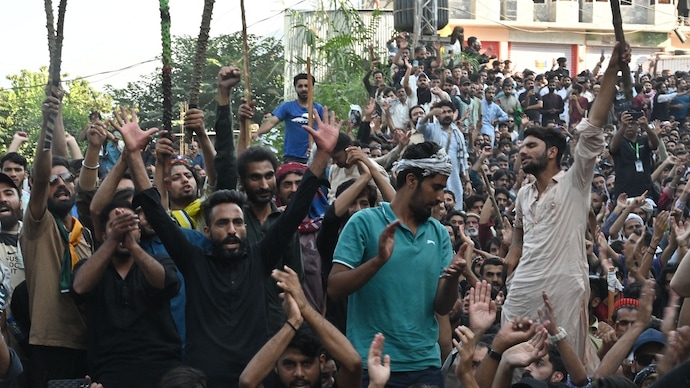
POK has witnessed recurring protests over the past two years. People have raised concerns over inflation, electricity tariffs, wheat prices, governance and political representation. (File Image)
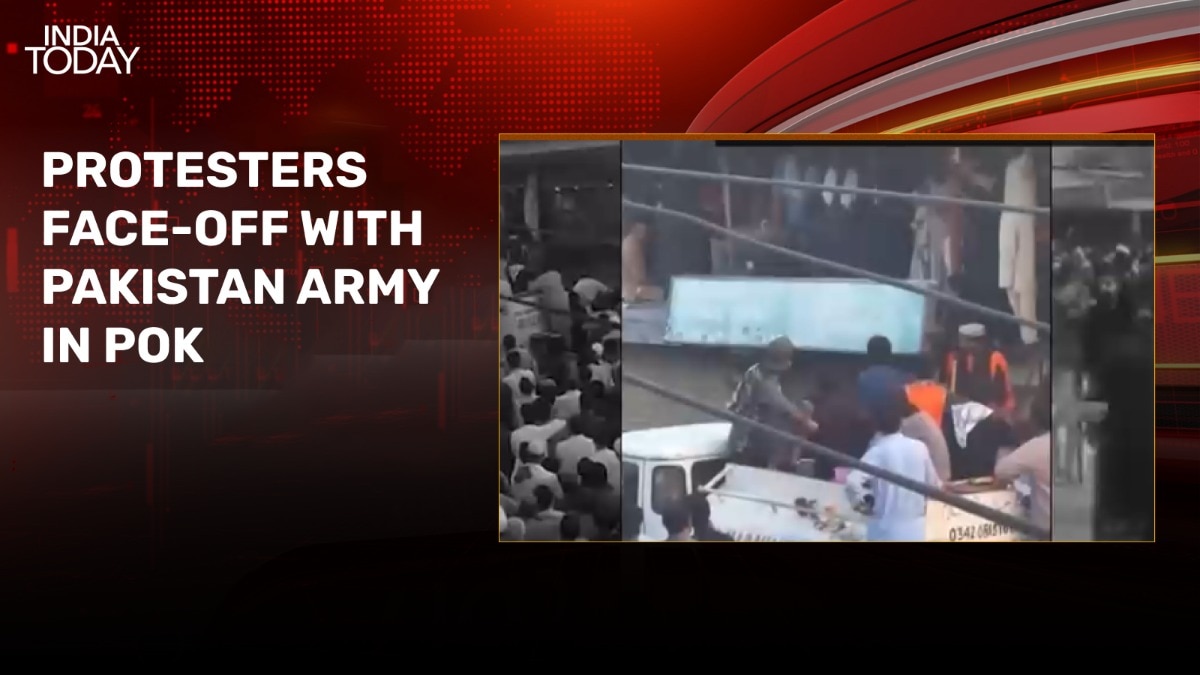
Days after Pakistani forces massacred Kashmiris in Pakistan-occupied Kashmir (POK), the illegally occupied region remains on the edge. The deadly clashes and retaliatory fire in Rawalakot by agencies on Sunday night resulted in the deaths of at least 11 people and injuries to more than 70, according to official figures published in news reports. However, several Pakistani journalists and activists on X have claimed that the actual casualty toll is higher and in dozens.
Authorities on Tuesday are preparing to prevent a long march planned by the POK-based banned rights group, Joint Awami Action Committee (JAAC), according to Pakistani daily Dawn.
After the JAAC protesters, who officials alleged, launched a "guerrilla-style" attack from narrow lanes using firearms and petrol bombs, a joint force of police and Rangers launched a crackdown. Mobile internet has been suspended and towns in POK have come to a standstill.
The protests have also reached the UK, where the Kashmiri diaspora gathered and protested outside a Pakistani mission. At least 30 British MPs have written to the British government to "engage proactively and use all appropriate diplomatic channels to encourage de-escalation and a peaceful resolution" of the situation, news agency PTI reported.
POK has witnessed recurring protests over the past few years, with Kashmiris raising concerns over inflation, electricity tariffs, wheat prices, governance and political representation. The unrest has repeatedly challenged Islamabad's authority in the region and highlighted economic, political and human rights grievances.
MUNIR-LED PAK ESTABLISHMENT FACES HEAT FOR RAWALAKOT
UK-based Pakistani-origin human rights lawyer Sabine Kayani criticised the Asim Munir-led Pakistani establishment's handling of the unrest in POK. She took to X and said that peaceful protesters seeking "bread, electricity, dignity" were met with "live fire and clouds of tear gas".
Kayani accused the Pakistan Army led by Asim Munir of turning "grief into a massacre" and said Kashmiris were being treated not as citizens but as "internal enemies". She called the "Rawalakot bloodshed a profound spiritual betrayal".
Germany-based Pakistani-origin human rights activist Aladeen took to X to criticise Pakistan's establishment, claiming that "the situation in POK was worse" than what Islamabad alleges about Jammu and Kashmir, which is an integral part of India. He argued that while "Pakistan accuses India of suppressing Kashmiris, security forces in Pakistan-occupied territory were using lethal force against their own citizens and protesters".
"Every year, the lives of citizens are taken for the sole purpose of preserving a government that was put together with the help of thieves and collaborators. This is done only to keep that arrangement intact. Every general acts in the same way for his own interests, and in the end, he has to flee. The same pattern keeps repeating itself," Aladeen posted on X.
TENSIONS GRIP POK; REGION ON EDGE AS JAAC PUSHES ON FOR LONG MARCH
The violence erupted in Rawalakot on Sunday night after supporters of the Joint Awami Action Committee (JAAC) gathered outside a hospital where the body of a fellow activist had been brought following an earlier shooting incident. According to officials, four policemen and seven civilians were killed in these clashes.
Tension has gripped the region ahead of a planned region-wide shutdown and a proposed long march towards Muzaffarabad by the JAAC, which was banned by the POK administration last week (June 6) under anti-terror laws.
Officials told Pakistan's Dawn newspaper that more than 200 people had been detained across POK, and that authorities would not allow the planned June 9 march to proceed.
"The situation is fluid. The JAAC leadership and crowd-pullers are on the run. So far, they haven't been able to pull numbers on the streets, but there is a possibility of small protests in several places," an official told Dawn.
"But it has been firmly decided that protesters will not be allowed to assemble anywhere, let alone stage a long march from one part of the state to the other," another official said.
The JAAC, which emerged as a powerful protest movement over flour prices, electricity tariffs and governance issues, has in recent months focused on a demand to abolish 12 seats in the legislative assembly "reserved for refugees from Jammu and Kashmir" living in Pakistan.
While the entire Union Territory of Jammu and Kashmir, Gilgit-Baltistan and the Shaksgam Valley are integral parts of India and are central to its sovereign territory, Pakistan has continued to occupy parts of the region since 1947. Human rights concerns, inflation, unemployment and economic distress have long fuelled resentment in these areas, with locals repeatedly voicing grievances over governance and political representation. But many of those concerns have gone largely unaddressed by the Pakistani establishment.
WHY IS POK SEEING PROTESTS, CRACKDOWN AGAIN?
The latest violence was triggered after an activist affiliated with the JAAC was shot dead during an altercation with law enforcement personnel. As news of the killing spread, supporters gathered outside a hospital in Rawalakot, where clashes later broke out.
Poonch Commissioner Sardar Waheed Khan alleged that protesters attacked security personnel with firearms and petrol bombs. He added that the protesters used "guerrilla-style" tactics. Authorities have accused the protestors of using excessive force.
"Four police officers and a passerby died after miscreants shot at them," Khan told Reuters.
"The state has begun a massacre of our people in Rawalakot," JAAC leader Shaukat Nawaz Mir said in a video message posted on X.
The Human Rights Commission of Pakistan (HRCP) expressed concern over the developments and questioned the decision to outlaw the JAAC under anti-terror legislation.
As of Tuesday afternoon, JAAC supporters are determined to press ahead with their mobilisation plans. Authorities have vowed to stop the march towards Muzaffarabad. POK is set to witness a tense showdown that could determine if the crisis deepens. Can Asim Munir and his Pakistani establishment contain the growing anger against Islamabad's rule? Kashmiris subjugated by Pakistan seem to have had enough.
- Ends
Published By:
Sushim Mukul
Published On:
Jun 9, 2026 15:05 IST