1 month ago
An Iranian strike on a Saudi base injures US troops and damages aircraft, even as Israel hits nuclear sites and tensions surge across the region, raising fears of a wider and prolonged war.
12 troops were wounded, including two in very serious condition, after a structure inside the base was hit
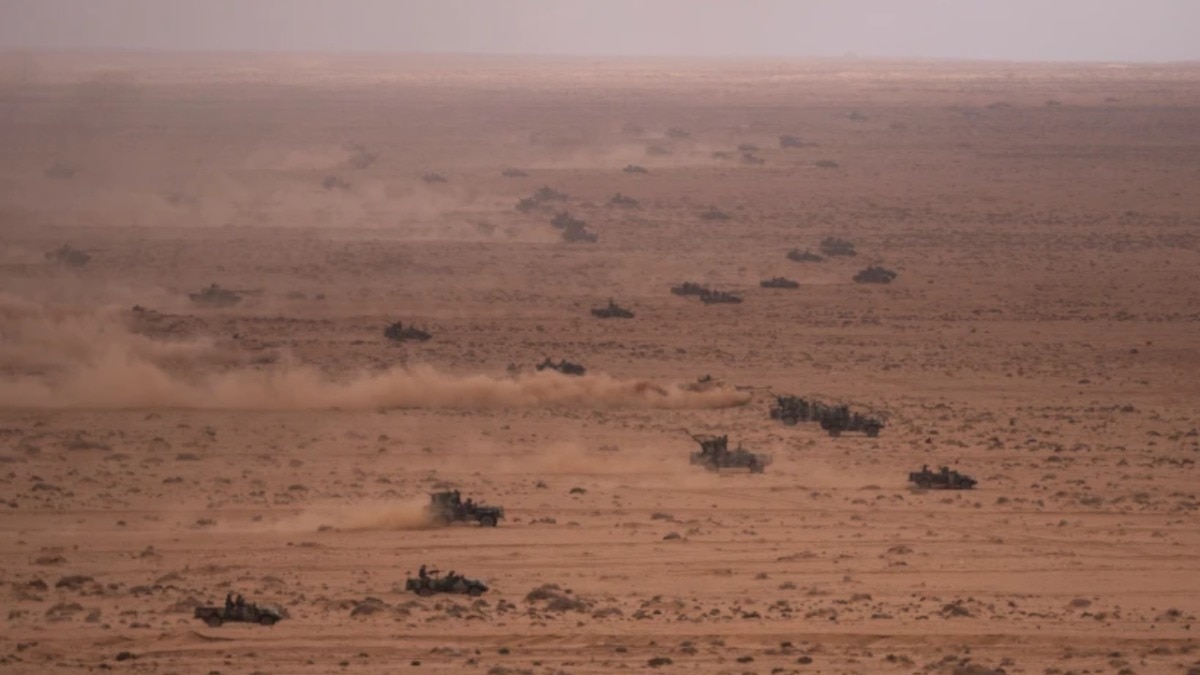
An Iranian missile and drone strike on a key US base in Saudi Arabia on Saturday has wounded American troops and damaged military aircraft, signalling a sharp escalation in the widening Middle East war.
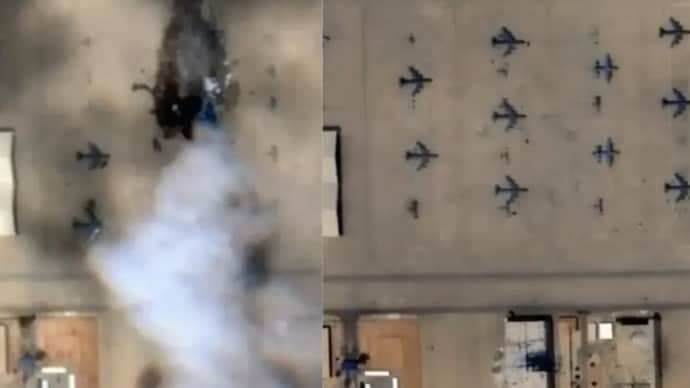
A US official familiar with the matter told The Associated Press that the attack targeted Prince Sultan Air Base, involving a missile and multiple unmanned drones. Several US refuelling aircraft were damaged in the strike, while the number and severity of troop injuries were not immediately clear.
Earlier, another US official told Reuters that 12 troops were wounded, including two in very serious condition, after a structure inside the base was hit.
SECOND STRIKE ON KEY BASE
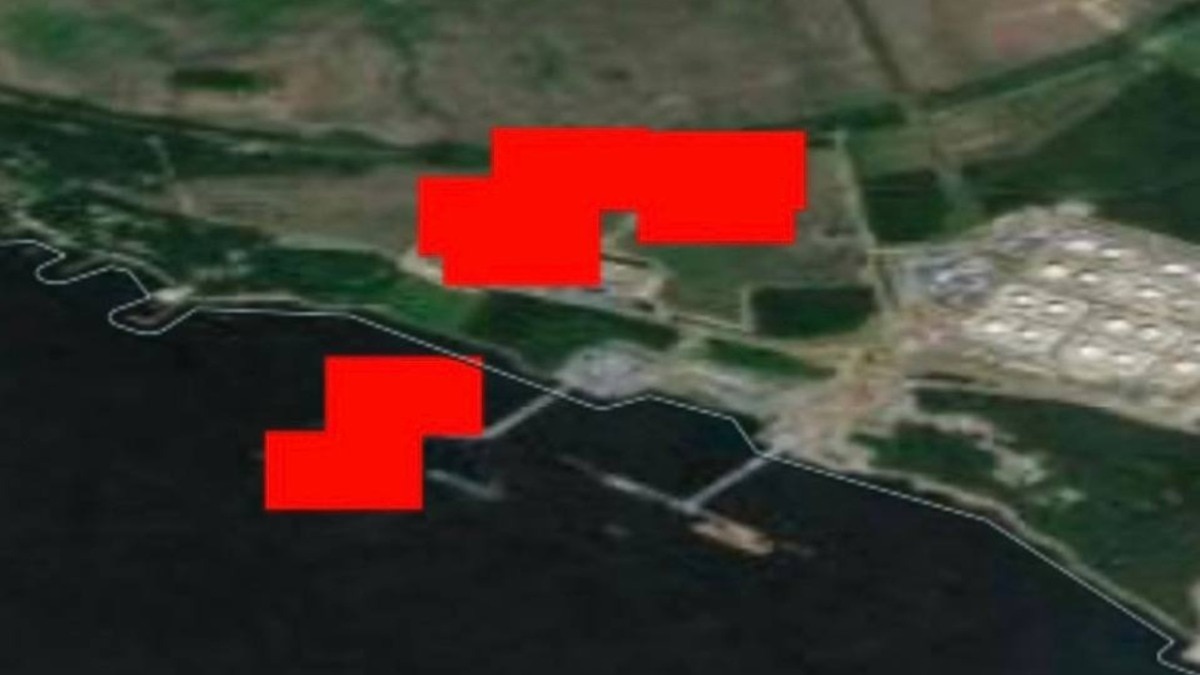
The attack marks at least the second time the base has been targeted since the war began on February 28. Satellite imagery circulating online appeared to show damage to aircraft at the facility.
Army Sgt Benjamin N Pennington, 26, died days after being wounded in a March 1 attack on the same base, underlining the risks faced by personnel stationed there.
US Central Command had said earlier that more than 300 service members have been wounded in the conflict so far.
US BUILDS MILITARY PRESENCE
As tensions rise, the United States is reinforcing its military posture in the region. Reports indicate that the aircraft carrier USS George H W Bush could soon join operations under Central Command.
Two carriers, USS Abraham Lincoln and USS Gerald R Ford, are already deployed in the Middle East, as Washington prepares for a prolonged campaign.
Additional US forces, including Marines and paratroopers, are also moving closer to the region to prepare for possible contingencies.
TRUMP PUSHES POST-WAR DEAL
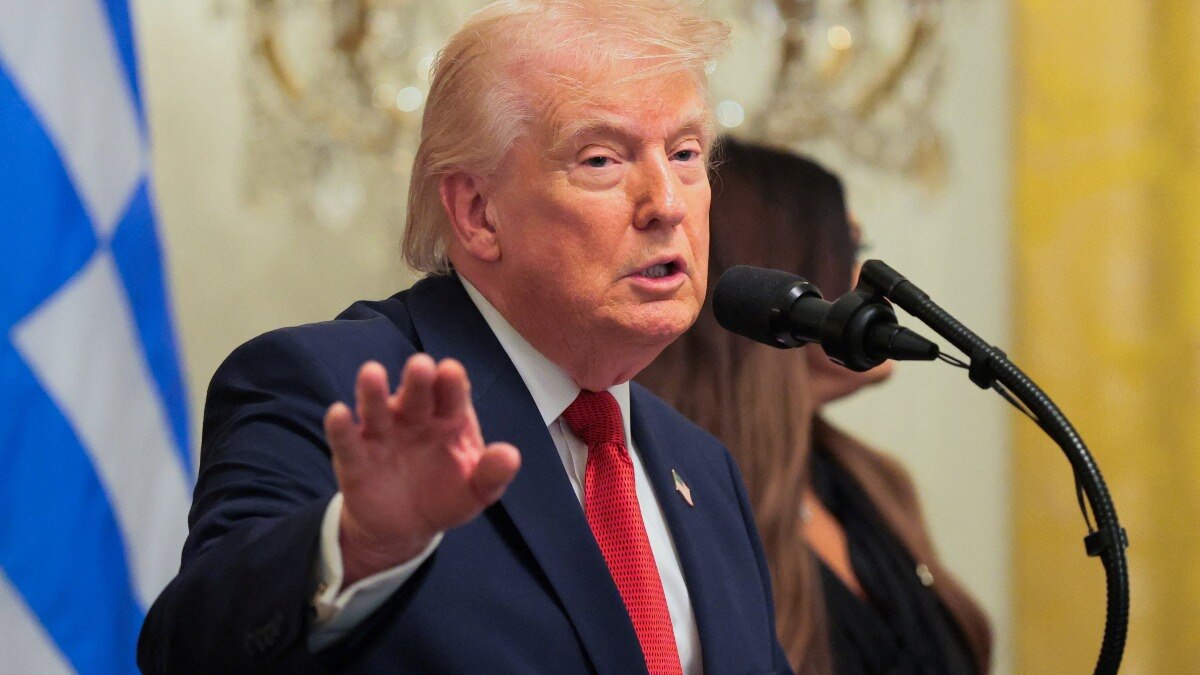
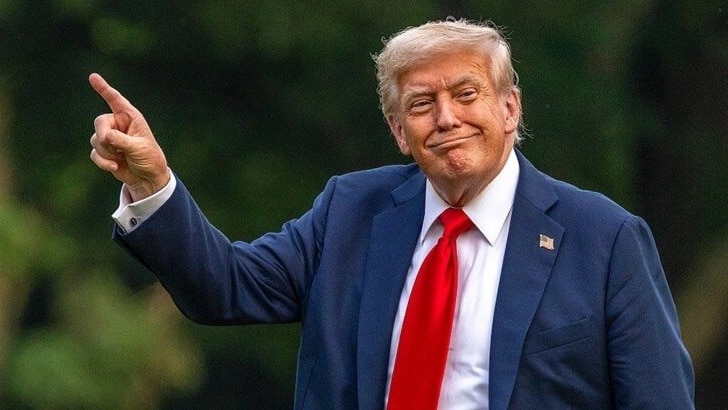
Amid the conflict, President Donald Trump renewed his push for Saudi Arabia and Israel to normalise ties once the war ends.
“It’s now time,” Trump said at an event in Miami. “We’ve now taken them out, and they are out bigly. We got to get into the Abraham Accords.”
However, Saudi Arabia continues to insist on a credible path to a Palestinian state before formal ties with Israel.
STRAIT OF HORMUZ BREAKTHROUGH
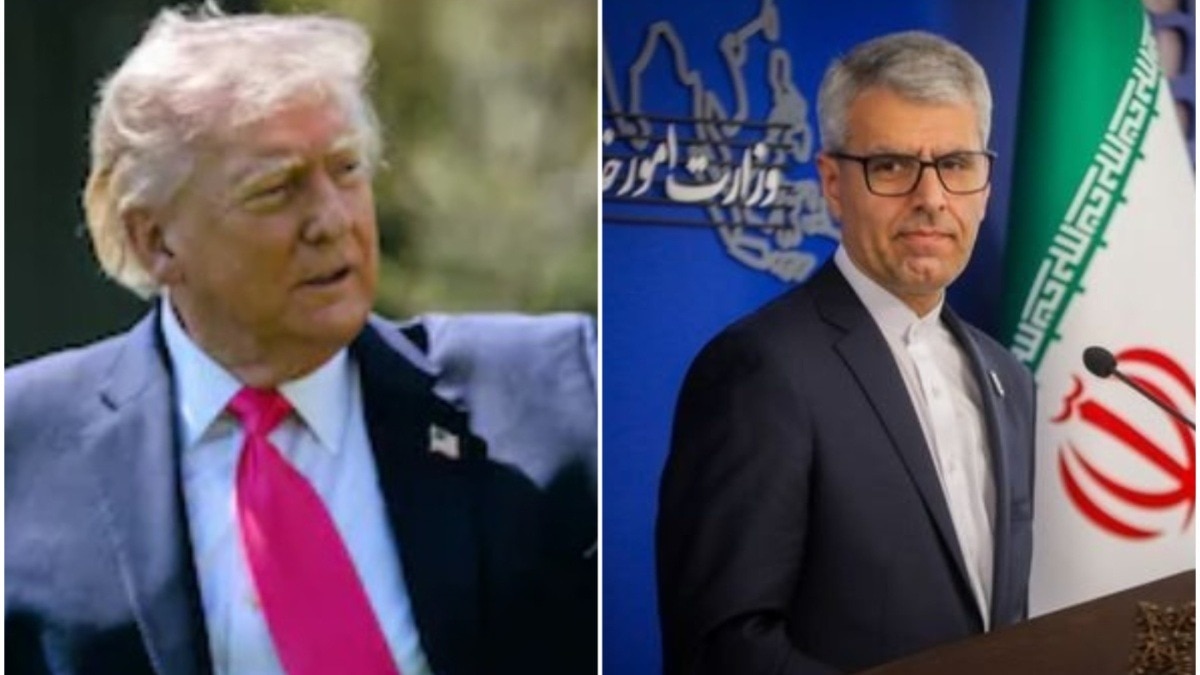
In a rare diplomatic development, Iran’s ambassador to the United Nations in Geneva said Tehran had agreed to “facilitate and expedite” humanitarian aid shipments through the Strait of Hormuz.
“This measure reflects Iran’s continued commitment to supporting humanitarian efforts,” Ali Bahreini said.
The waterway handles a significant share of global oil and fertiliser trade, and disruptions have raised concerns over food security and energy markets worldwide.
ISRAEL STRIKES NUCLEAR SITES
The developments came as Israel carried out fresh strikes on Iranian nuclear-linked facilities. Iranian media said sites in Arak and Yazd province were targeted, though no casualties or contamination were reported.
Israel said the strike on the Yazd facility dealt a major blow to Iran’s nuclear programme. Iran’s foreign minister Abbas Araghchi warned, “Iran will exact HEAVY price for Israeli crimes.”
The Revolutionary Guard also warned of retaliation, saying the response would go beyond “an eye for an eye”.
CONFLICT WIDENS ACROSS REGION
Fighting continued late into Friday and early Saturday, with explosions reported in Tel Aviv and Tehran. Emergency services in Israel responded to multiple impact sites, and at least one person was killed.
Elsewhere, Saudi Arabia said it intercepted missiles and drones targeting Riyadh, while Kuwait reported damage at key ports. Lebanon reported fresh casualties as cross-border strikes intensified.
RISING GLOBAL PRESSURE
The conflict, triggered by US and Israeli strikes on Iran on February 28, has spread across several countries, with thousands reported dead, particularly in Iran and Lebanon.
Global pressure is mounting for a ceasefire. G7 foreign ministers have called for an immediate halt to attacks on civilians and infrastructure, while diplomatic efforts involving multiple countries continue behind the scenes.
Even as talks are discussed, both sides appear to be preparing for a longer and more dangerous phase of the war.
- Ends
Published By:
Sonali Verma
Published On:
Mar 28, 2026 08:00 IST
Tune In