1 month ago
Last Updated:January 03, 2026, 17:02 IST
Maduro’s time in office was marked by economic decline and political unrest, as Venezuela’s oil-dependent economy suffered sharply after global prices fell.

Venezuelan President Nicolás Maduro (Reuters image)
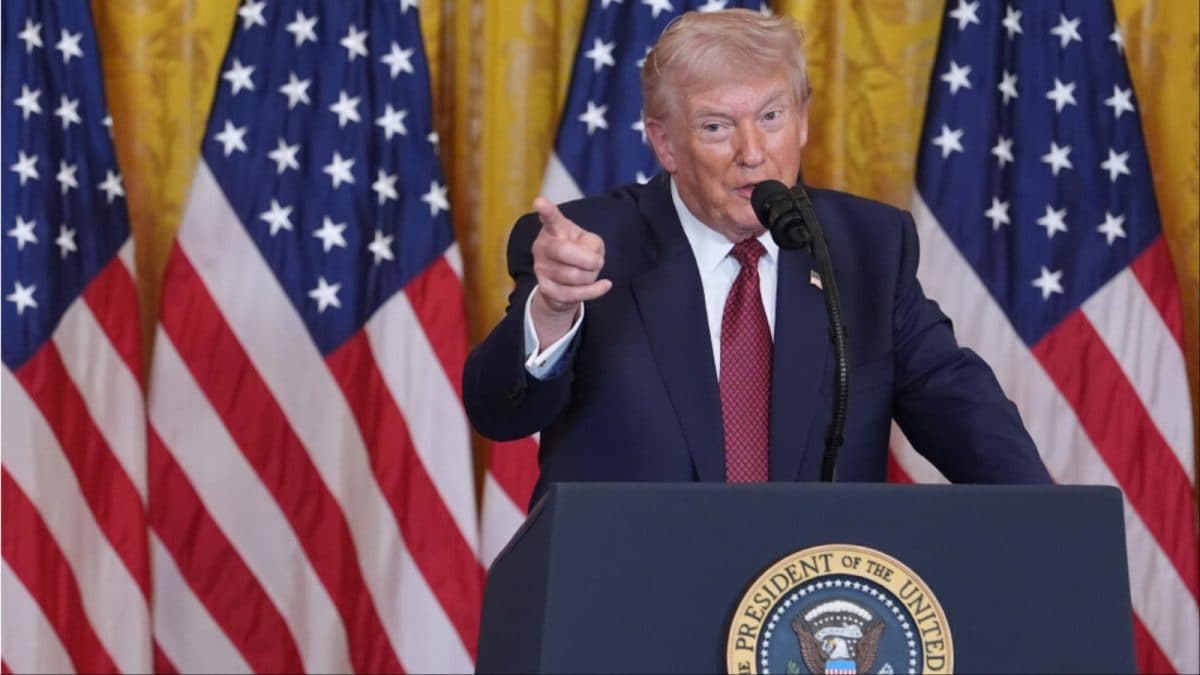
Venezuelan President Nicolás Maduro has been taken into custody and removed from the country following a large-scale US military operation, US President Donald Trump announced early on Saturday.
According to the announcement, the operation marked a major escalation in Washington’s long-running confrontation with the Maduro government.
US Secretary of State Marco Rubio later told a US senator that Maduro would face criminal trial in the United States. The development signals a dramatic end to a presidency that has shaped Venezuela’s recent history and deeply divided the country.
Maduro first assumed power in 2013 after the death of former president Hugo Chávez, his political mentor. He won a special election to complete Chávez’s term, having earlier served as vice-president and foreign minister. He also rose through the ranks of the ruling United Socialist Party of Venezuela (PSUV).
His years in office were dominated by economic decline and political unrest. Venezuela’s economy, heavily reliant on oil exports, was hit hard when global oil prices dropped soon after he took charge.
Inflation surged to record levels, the national currency lost much of its value, and shortages of basic items such as food, medicine and fuel became common.
These conditions pushed millions of Venezuelans to leave the country, triggering a mass migration across the region.
Maduro’s leadership faced constant challenges from the opposition. Critics inside and outside Venezuela questioned the credibility of several elections held during his rule.
In 2019, the opposition-controlled Assembly named Juan Guaidó as interim president, a move backed by several countries but firmly rejected by Maduro, who retained control of the military and state institutions.
In 2025, Maduro claimed victory in another disputed presidential election and was sworn in for a third term. The result was strongly criticised by opposition groups and many foreign governments. The Guardian reported that critics said the vote lacked legitimacy due to limits placed on opposition participation.
His government also faced repeated allegations of human rights violations. United Nations bodies and rights groups accused security forces of abuses, including extrajudicial killings and repression of dissent.
The Venezuelan government denied these claims and blamed the country’s hardship on foreign sanctions.
Maduro was indicted by US prosecutors in 2020 on narco-terrorism charges, which he denied. That case now forms part of the legal basis for his trial in the United States following his capture.
After 12 years in power, Maduro’s presidency ends in extraordinary circumstances, leaving behind a nation still struggling with economic recovery, political division and the lasting impact of his controversial rule.
First Published:
January 03, 2026, 17:02 IST
News world A Look At Maduro’s 12-Year Rule In Venezuela: Authoritarian Power, Economic Collapse And US Strikes
Disclaimer: Comments reflect users’ views, not News18’s. Please keep discussions respectful and constructive. Abusive, defamatory, or illegal comments will be removed. News18 may disable any comment at its discretion. By posting, you agree to our Terms of Use and Privacy Policy.
Read More