 15 minutes ago
Amnesty said UNMISS and South Sudanese authorities failed to act adequately on warnings before the Abiemnom attack. The alleged failure has intensified demands for public investigations into the killings and peacekeeping response.

Image used for representational purposes only
Nairobi,Nov 12, 2026 03:02 IST

United Nations peacekeepers and South Sudanese authorities failed to take adequate preventive action despite receiving warnings weeks before armed men attacked a village and killed more than 200 people earlier this year, Amnesty said in a report released on Thursday.
The rights group said the UN peacekeeping mission in South Sudan, known as UNMISS, knew an attack on Abiemnom, a remote area near the Sudan border, was likely. However, it did not reinforce the roughly three dozen peacekeepers stationed there until after the assault.
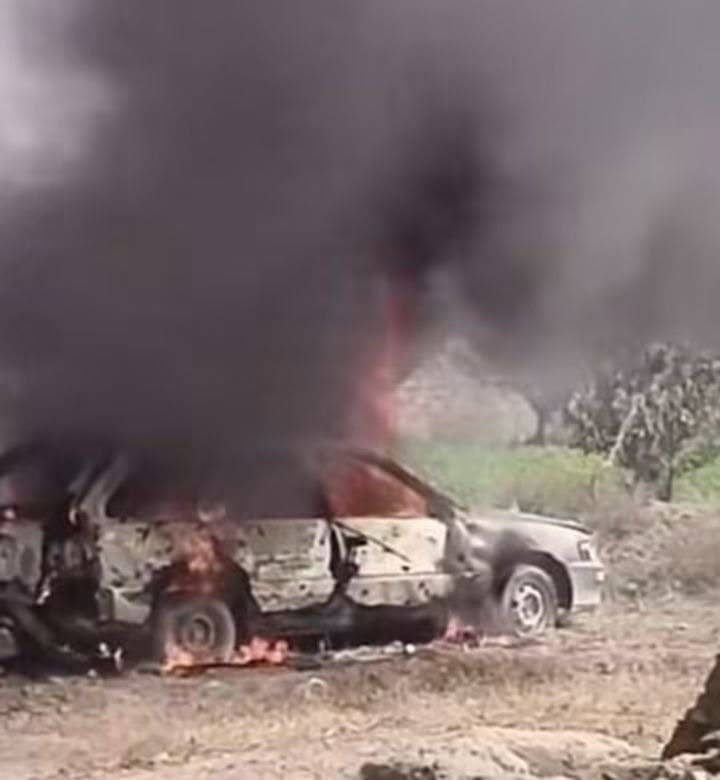
Between 1,000 and 1,500 armed men from neighbouring Mayom County attacked Abiemnom on March 1, shooting residents, setting homes on fire and looting part of the hospital, Amnesty said. Authorities put the death toll at at least 213, including 130 town residents, 76 security personnel and seven foreign nationals.
“Both the government and UNMISS had sufficient information and time to take more effective preventive action. Their failure to take stronger action cost lives,” Amnesty regional director Tigere Chagutah said.
UNMISS spokesperson Priyanka Chowdhury said the mission did its best with limited resources to protect and provide medical care to about 2,500 people who took shelter in a protected area set up in anticipation of the attack.
Amid budget cuts and reduced personnel, the mission “concentrated its available capacity on immediate protection of civilians seeking refuge within our base rather than dispersing limited forces across tasks they could not safely sustain simultaneously”, she said.
The attack took place amid renewed fighting between government forces and several opposition groups, weakening a 2018 agreement that ended five years of civil war. The area has seen repeated retaliatory violence linked to access to land and cattle raiding. Amnesty said the March assault may have been triggered by unresolved killings of several young men from Mayom County in Abiemnom.
Amnesty's investigation was based on interviews with 82 people, including survivors, witnesses and medical workers, as well as satellite images and verified photographs and videos.
Survivors said residents were shot inside their homes or while trying to flee. Some were killed at close range after being captured or wounded, Amnesty said. Government security forces and armed residents tried to repel the attackers but were overwhelmed.
A mother of seven told researchers that attackers shot her daughter-in-law while she was holding her youngest child. Amnesty withheld the real names of those interviewed for their protection.
Satellite images showed that more than 230 structures were destroyed by fire. Most of those killed were buried in two mass graves, according to the report.
Chowdhury acknowledged that UNMISS was aware of heightened tensions since mid-February and that people had sought protection at its base in the days before the attack. She said the mission had repeatedly asked the national army to deploy additional security forces after receiving early warnings.
UNMISS sent 40 additional police personnel to the area after the attack. Amnesty questioned why the reinforcements had not been deployed earlier, particularly after a similar deadly assault in April 2025. Chowdhury's statement did not directly explain why they were sent after the attack rather than before it.
Amnesty said South Sudanese authorities did not respond to two letters seeking information and comment on its findings. Government spokesperson Ateny Wek Ateny also did not respond to a request for comment from The Associated Press.
The rights group called for an independent investigation into the killings and a separate review of the peacekeepers' response, with both findings made public. Protecting civilians is a central responsibility of UNMISS. The UN Security Council renewed the mission's mandate in April while reducing its authorised troop ceiling from 17,000 to 12,000.
Amnesty's report said both South Sudanese authorities and UNMISS had enough warning to take stronger preventive measures before the March 1 attack, and sought public investigations into the killings and the peacekeeping mission's response.
With PTI Inputs
- Ends