1 month ago
Yemen's Houthis fired missiles at Israel, struck a QatarEnergy tanker, and now threaten the world's second most critical oil chokepoint. America started this war. The world is paying for it.
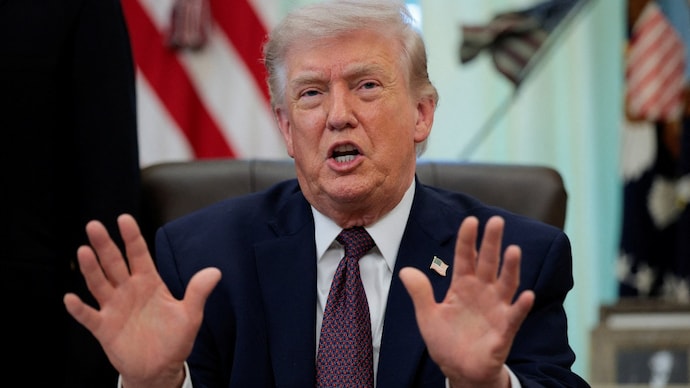
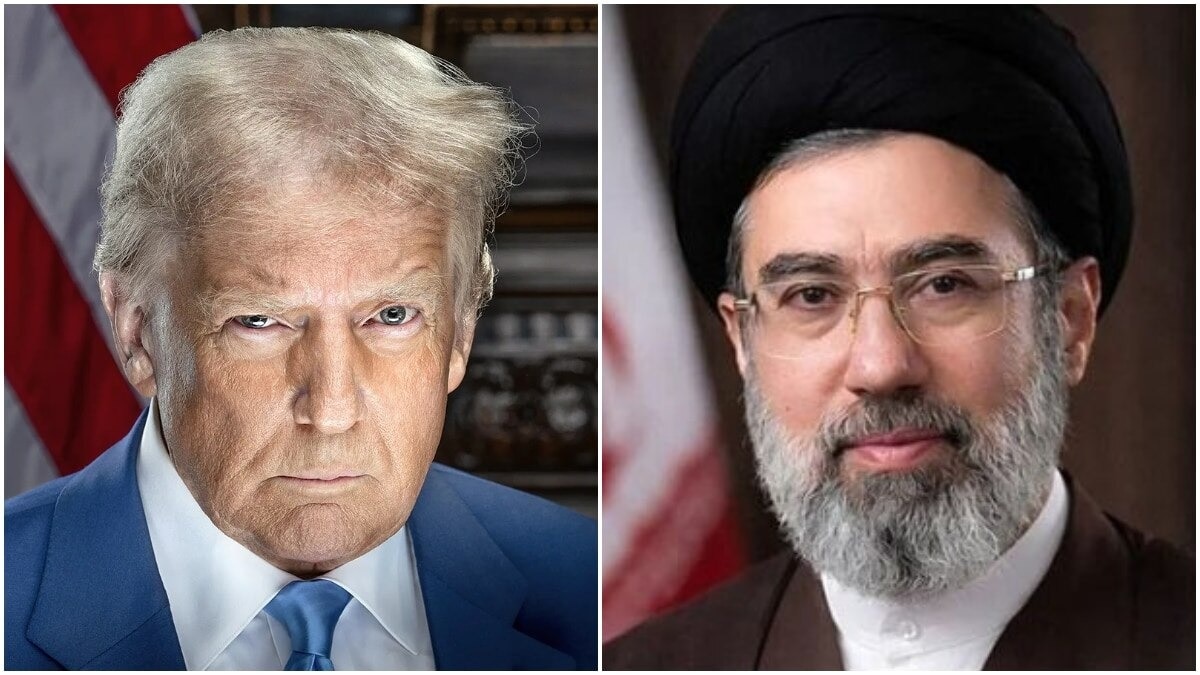
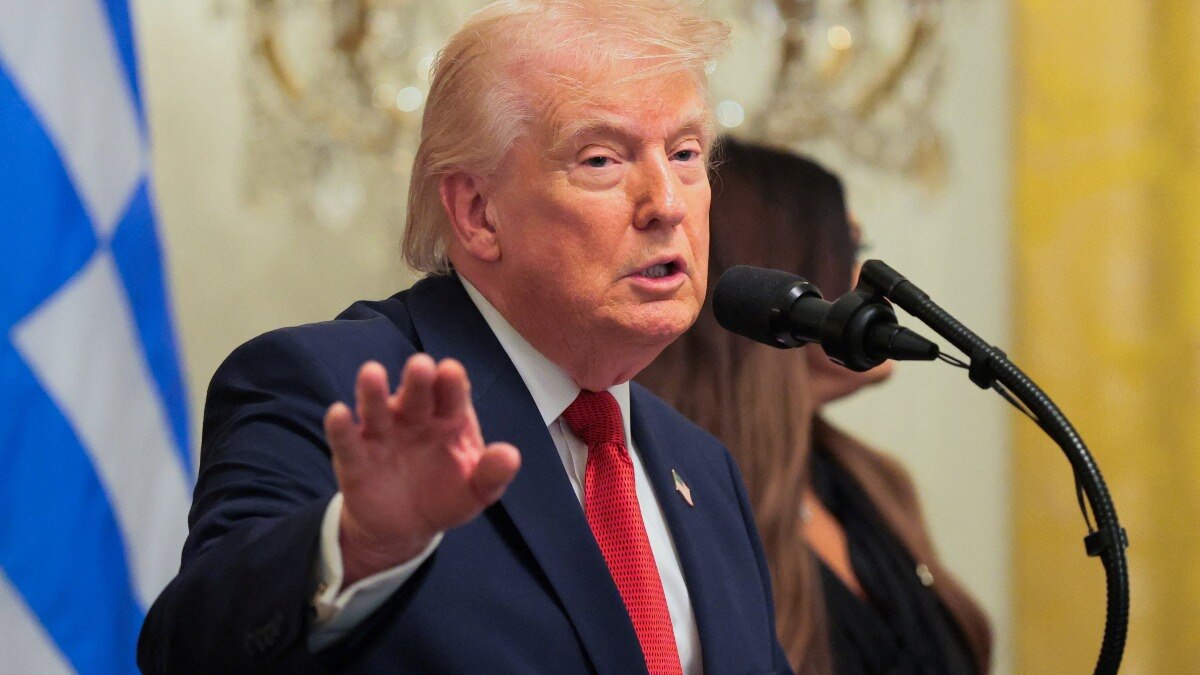
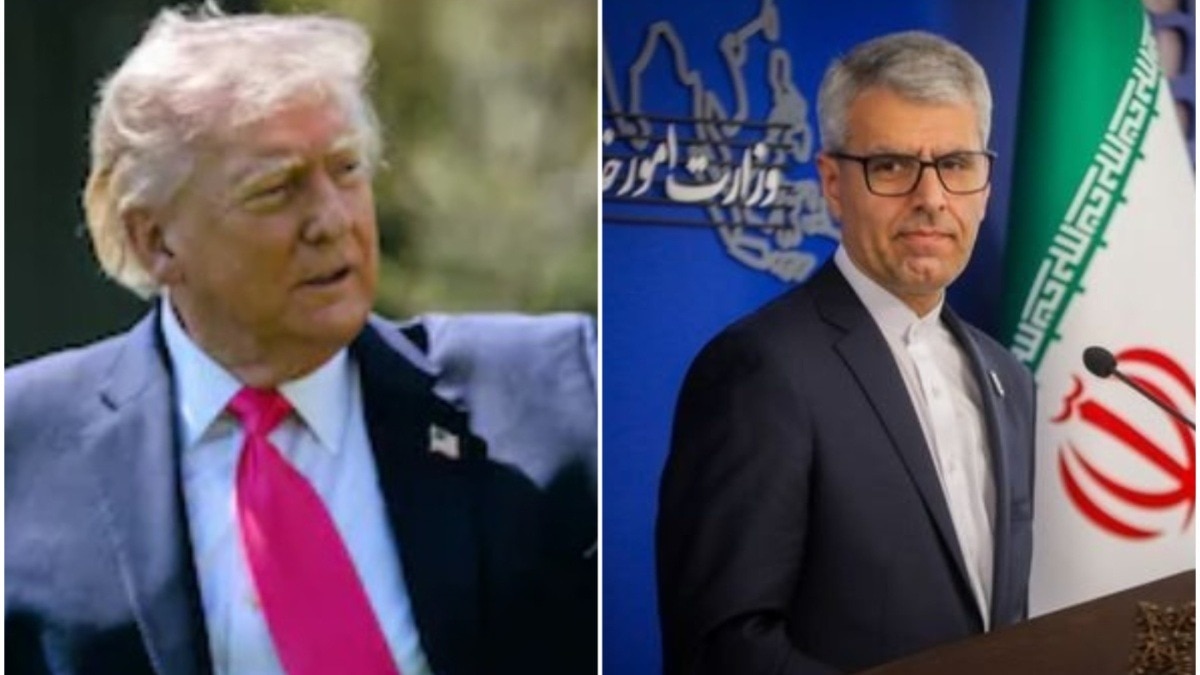
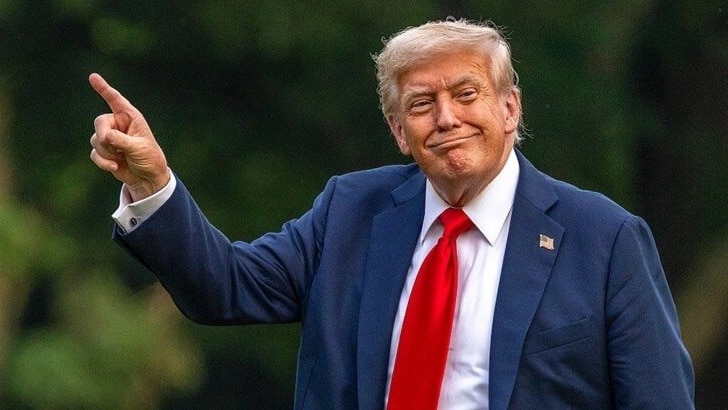
US President Donald Trump is upset over Nato allies not following his request to help open Strait of Hormuz. (File photo)

UPDATED: Apr 1, 2026 21:49 IST
One month into America's war on Iran, the conflict just acquired a dangerous new dimension. The Houthis of Yemen fired their third barrage of ballistic missiles at Israel, struck a QatarEnergy oil tanker in a coordinated operation with Iran and Hezbollah, and served notice to the world that this war would not stay contained. It never does.
The Houthis are not newcomers to chaos. Formally known as Ansar Allah, or Partisans of God, they draw from the Zaidi branch of Shia Islam and have controlled Yemen's capital Sanaa and most of its Red Sea coastline since the Arab Spring collapsed the country into civil war. They survived two American bombing campaigns, one under Biden in 2024 and another under Trump between March and May 2025. Trump eventually negotiated a deal with them and conceded, with characteristic candour, "You could say there's a lot of bravery there." He was not wrong. These are battle-hardened fighters with drones, anti-ship missiles and an established record of disrupting global shipping.
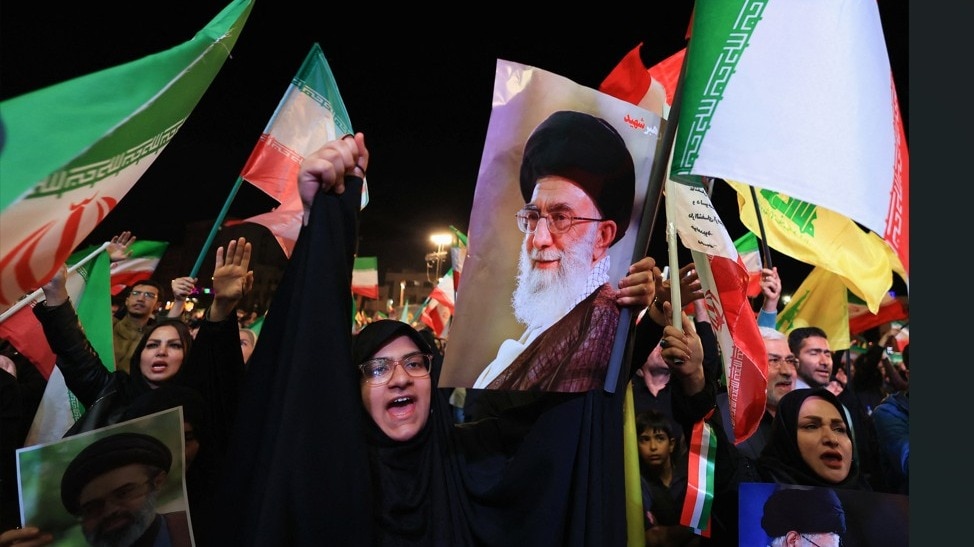
Between late 2023 and early 2025, the Houthis attacked over 100 merchant vessels in the Red Sea in solidarity with Palestinians in Gaza. They are part of Iran's Axis of Resistance, a network of regional armed groups that Tehran arms, funds and coordinates. When Iran goes to war, the network activates. That is precisely what happened last Saturday.
The Houthis called their missile attack on Israel a joint military operation with Iran and Hezbollah. They also threatened further escalation if attacks on Lebanon, Iran, Iraq, the West Bank and Gaza continued. This was not a spontaneous act. It was a signal.
The signal carries enormous economic weight because of where the Houthis sit geographically. They control Yemen's western coastline and mountain strongholds that overlook the Bab al-Mandab Strait, a 26 to 32 kilometre wide waterway separating Yemen from Djibouti and Eritrea. The strait connects the Red Sea to the Indian Ocean and carries 10 to 12 per cent of global seaborne trade, including oil, gas, food, machinery and container cargo flowing between Asia and Europe.
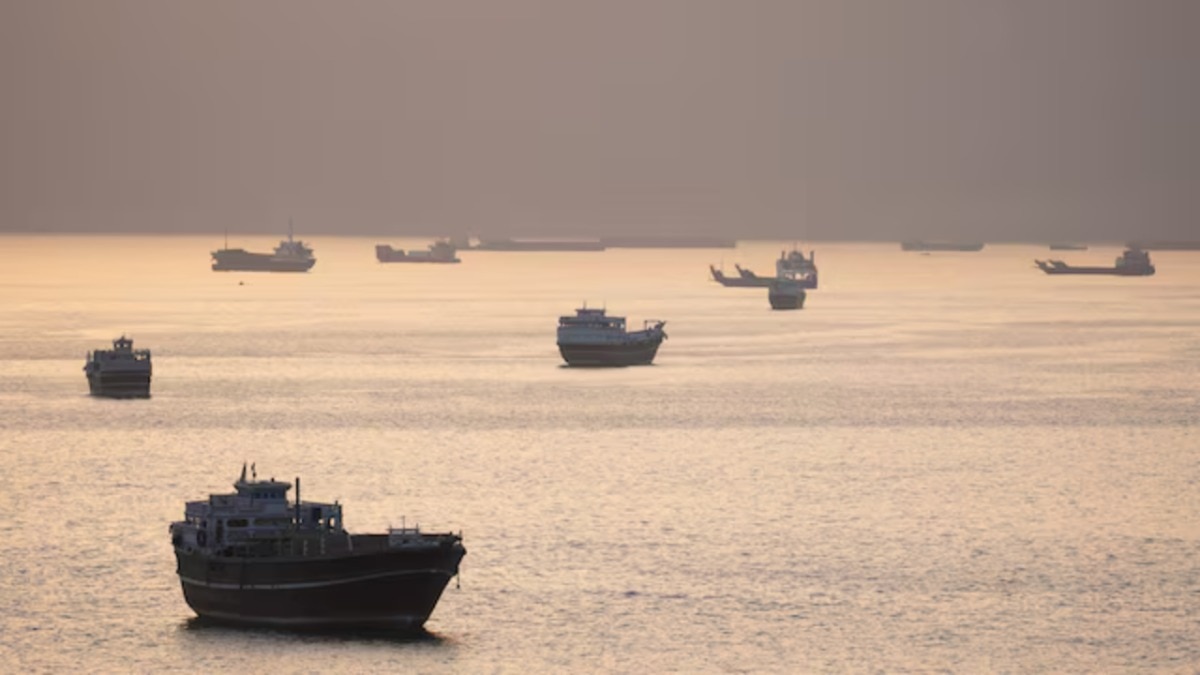
Before the war, the world already leaned heavily on this route. After Iran shut the Strait of Hormuz, through which 20 per cent of global oil and gas normally travels, Saudi Arabia began pumping crude through overland pipelines to its Red Sea port of Yanbu. Traffic through the Bab al-Mandab jumped 21 per cent in March alone. The world found its emergency exit. Now the Houthis stand in front of it.
Analysts at Rystad Energy warned that Brent crude, already at 110 dollars a barrel following a 50 per cent surge since the war began, is very likely to breach 150 dollars if the Bab al-Mandab closes. A Houthi deputy minister already told CNN that closing the strait is "a viable option." An unnamed Iranian official suggested the same to Al Jazeera. And as former US diplomat Nabeel Khoury put it plainly, all the Houthis need to do is fire at a couple of ships and commercial traffic through the Red Sea stops entirely.
Asia would suffer most. The region sources 60 per cent of its oil from the Middle East. The Philippines has already declared a state of energy emergency. South Korea asked citizens to take shorter showers. India slashed federal excise duties on petroleum products. The economic pain is real and spreading.
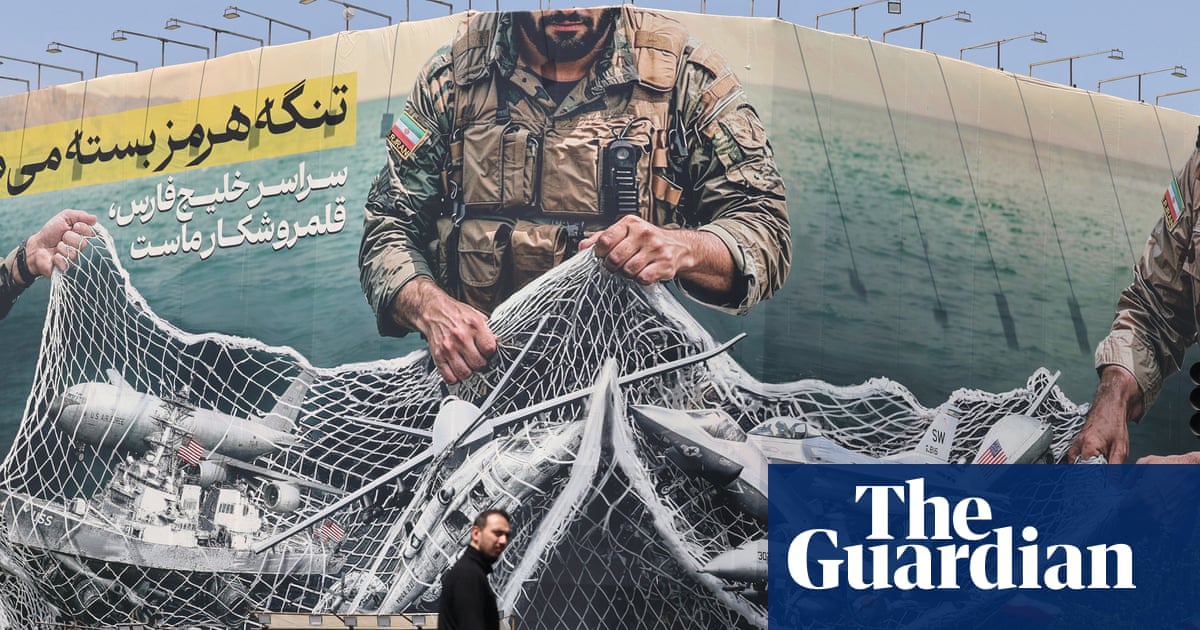
Meanwhile, America considers a ground invasion of Kharg Island, the hub for 90 per cent of Iran's oil exports. It has already fired over 850 Tomahawk missiles, lost a prized radar aircraft in Saudi Arabia, and strained its military resources. Its allies have begun openly refusing to participate. France condemned the war as illegal. Australia declined to offer support. Spain shut its ports and bases to US strikes. Germany said it was never consulted.
The war that America started unilaterally, without a plan and without consensus, now spans two continents, threatens two critical straits, and draws in new combatants by the week. The world did not ask for this. The world is paying for it anyway.
- Ends
Published By:
indiatodayglobal
Published On:
Apr 1, 2026 21:49 IST