1 month ago
The push comes after Bangladesh spent much of the past decade under the leadership of Sheikh Hasina, whose multiple terms made her one of the country's longest-serving prime ministers and concentrated power in the executive branch.
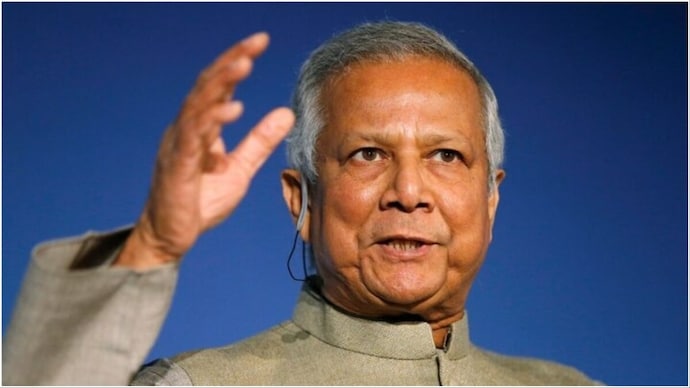
The referendum is scheduled to be held alongside the country’s general elections on February 12. (File Photo: AP)

New Delhi,UPDATED: Jan 20, 2026 00:39 IST
Interim government chief Muhammad Yunus on Monday urged voters to back his administration’s reform package in an upcoming referendum, placing limits on executive power -- including a proposal that would bar any individual from serving as prime minister for more than 10 years.
The push comes after Bangladesh spent much of the past decade under the leadership of Sheikh Hasina, whose multiple terms made her one of the country’s longest-serving prime ministers and concentrated power in the executive branch.
The referendum is scheduled to be held alongside the country’s general elections on February 12, placing the proposed limits on executive power at the centre of a vote that will shape Bangladesh’s political order after Sheikh Hasina's ouster.
10-YEAR PRIME MINISTERIAL CAP
In a televised address, Yunus appealed for a "yes" vote, presenting the reforms as a decisive break from decades of power concentration in the prime minister’s office.
"Vote 'Yes' to build the state according to your expectations. By choosing 'Yes,' you open the door to creating a new Bangladesh," Yunus said. He added that public approval of the reform agenda would free the country from "discrimination, exploitation and oppression".
A central plank of the package is a cap on how long a single individual can remain prime minister. "If the reform package is passed, no individual would be able serve as prime minister for more than 10 years," Yunus said.
CURBS ON PRIME MINISTERIAL AUTHORITY
Beyond the tenure limit, Yunus said the judiciary would operate independently and that a bicameral parliamentary system would be introduced, including the creation of an upper house to balance power.
"The president will not be able to pardon convicted criminals at will. All power will not be concentrated in the hands of the prime minister (if the people cast a ‘yes’ vote)," Yunus said.
The reforms are contained in an 84-point proposal known as the July Charter-2025, unveiled on October 17 after lengthy consultations with political parties and the Consensus Commission, chaired by Yunus himself. At the launch, Yunus declared that Bangladesh had "embraced civilisation" and described the event as the "birth of a New Bangladesh".
Yunus’ address came as the state machinery began mobilising support for a "yes" vote, drawing criticism from opponents who question whether an interim administration should actively campaign.
Industries adviser Adilur Rahman Khan dismissed criticism, branding detractors "fugitive forces" — a reference widely understood as pointing to supporters of former prime minister Sheikh Hasina and her now-disbanded Awami League.
Political parties, including the Bangladesh ist Party (BNP) led by Tarique Rahman and Jamaat-e-Islami signed the charter while attaching dissenting notes to several proposals. Despite their signatures, neither party has mounted an active campaign urging voters to support the referendum.
By contrast, the student-led Citizen Party, formed last year with Yunus’ backing and linked to figures from the July Uprising that toppled the previous regime on August 5, 2024, did not sign the charter but is campaigning vigorously for a "yes" vote.
LEGAL DOUBTS OVER REFERENDUM
The referendum itself has come under scrutiny from constitutional experts, who argue that Bangladesh’s constitution makes no provision for such a nationwide vote.
"Most of the decisions taken in the July Charter, including those in the gazette, are contrary to the current Constitution," senior jurist Swadhin Malik said as quoted by PTI. He added that the president lacks legal authority to sign the gazette while the constitution remains in force.
- Ends
With inputs from PTI
Published By:
Satyam Singh
Published On:
Jan 20, 2026
Tune In