 1 hour ago
Students have blockaded hundreds of high schools in four weeks of protests, demanding replacements for absent teachers and repairs to rundown buildings.
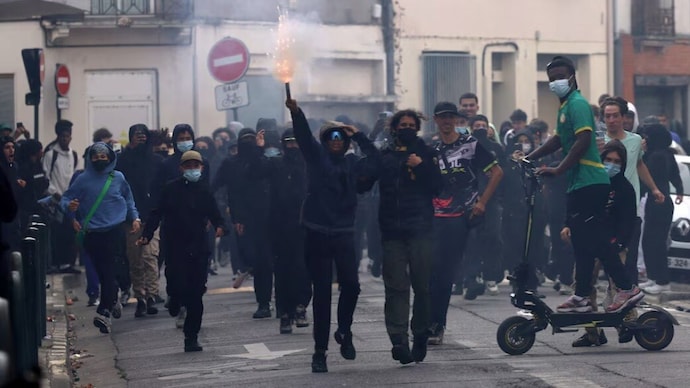
6,773 under-18s have been taken into police custody since the protests began in mid-September.
New Delhi,Oct 16, 2026 17:42 IST

French police face allegations of excessive force after teenagers suffered injuries including the loss of a hand, jaw fractures and potentially permanent eye damage during school protests. Lawyers and rights groups are calling for restrictions on police weapons, The Guardian reported on Friday.
Students have been blockading hundreds of high schools over four weeks of protests, demanding replacements for absent teachers and repairs to rundown buildings.
Police have opened internal investigations into 36 allegations of violence against demonstrators, Interior Minister Laurent Nuez told the Senate. These include four children allegedly suffering mutilating injuries from explosive weapons and six sustaining other serious injuries. Other complaints concern physical assault, insults and alleged sexual assault.
Reuters has separately documented 28 cases of injuries linked to police force, involving rubber bullets, stun grenades, tear gas, batons and mounted police charges.
Nuez said on Wednesday that about 200 students had been injured but maintained that police action was rarely responsible. Authorities say 700 officers have also been injured, schools have been burned or ransacked, and teachers and members of the public have been attacked.
TEENAGERS SUFFER LASTING INJURIES
In Saint-Ouen-l’Aumne, near Paris, 14-year-old Eden suffered jaw fractures and extensive damage to his teeth when a tear gas grenade fired by police struck his face.
His lawyer said he had been sitting on a wall looking at his phone near the protest. According to the local prosecutor, an officer struck him with a baton, Eden responded with a kick and another officer fired the grenade. His family has filed a complaint alleging attempted murder. The officer who fired is under formal investigation over assault resulting in permanent disability or disfigurement.
In Lens, 15-year-old carpentry student Evan lost his left hand and several fingers on his right when a police stun grenade exploded outside a school protest on October 5. His lawyer said he had arrived for classes and had not taken part in violence. His family has filed a criminal complaint.
In Argenteuil, a 16-year-old suffered an eye injury that could cause permanent damage, his lawyer said. She said he was returning home after finding his school closed. The prosecutor, citing the police account, said he appeared to match the description of someone who had directed fireworks at officers. The weapon responsible remains unclear.
CALLS TO RESTRICT POLICE WEAPONS
The injuries have renewed criticism of France’s crowd-control weapons. Amnesty and UN human rights experts have repeatedly criticised rubber bullets and grenade launchers as dangerous and disproportionate.
Sebastian Roche, a policing researcher at the French Centre for Scientific Research, told Reuters that France stands out in Europe for its use of “less lethal” weapons and the number of people injured. He cited four minors who had suffered irreversible injuries within 12 days.
Such weapons are generally not used for public-order policing in Britain, Italy and most of Germany, according to Roche.
Rights advocates and some politicians want a permanent ban. Saint-Denis Mayor Bally Bagayoko, of the left-wing France Unbowed party, has urged authorities to withdraw rubber bullets to ease tensions. He said he had joined protests to protect young people.
Nuez has suspended stun grenades at school demonstrations pending an investigation but denies excessive policing or repression.
Police unions oppose wider restrictions. Union representative Thierry Clair told Reuters that the serious injuries were tragedies but argued that officers need these weapons to respond to violence and protect themselves.
NEARLY 6,800 CHILDREN TAKEN INTO CUSTODY
The justice ministry says 6,773 under-18s have been taken into police custody since the protests began in mid-September, according to The Guardian.
More than 1,000 have faced no charges. Another 2,190 face legal action, while almost 2,000 have been given alternatives to prosecution, including citizenship courses, without a trial or conviction.
Lawyers say the accusations include gathering with violent intent, violence against police and property damage. Some children have reported being hit or subjected to racist insults in custody. The justice and interior ministries have not commented on those allegations.
The government says the unrest has moved beyond students’ demands for better school conditions.
Prime Minister Sbastien Lecornu said on Thursday that the demonstrations no longer resembled a student movement but “a movement of urban violence”. He also warned of further unrest ahead of hundreds of demonstrations planned for Saturday.
- Ends