1 hour ago
China has issued a Level-IV alert after flash floods near the Tibet-Nepal border created a dangerous barrier lake. Officials fear a breach could unleash downstream flooding even as rescuers search for 558 missing people.

Beijing,UPDATED: Aug 28, 2026 08:40 IST
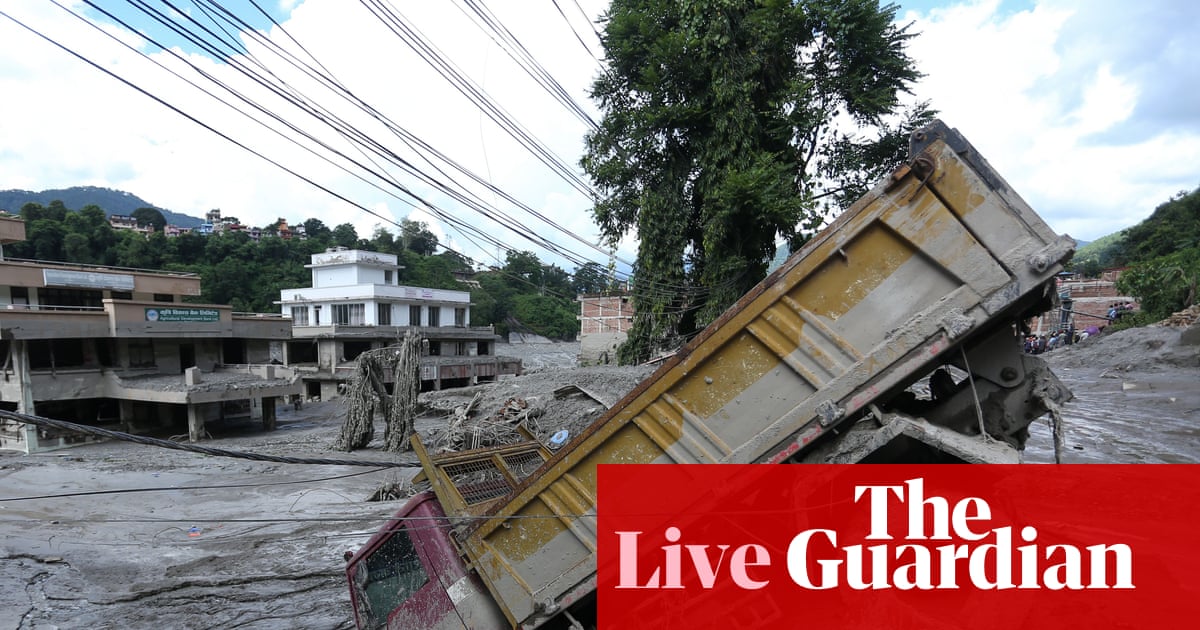
China has issued a Level-IV alert after flash floods at the Tibet-Nepal border and warned that a newly formed barrier lake faces a high risk of breaching and flooding areas downstream. The alert was sounded by China's Ministry of Water Resources on Thursday night in the Tibet Autonomous Region.
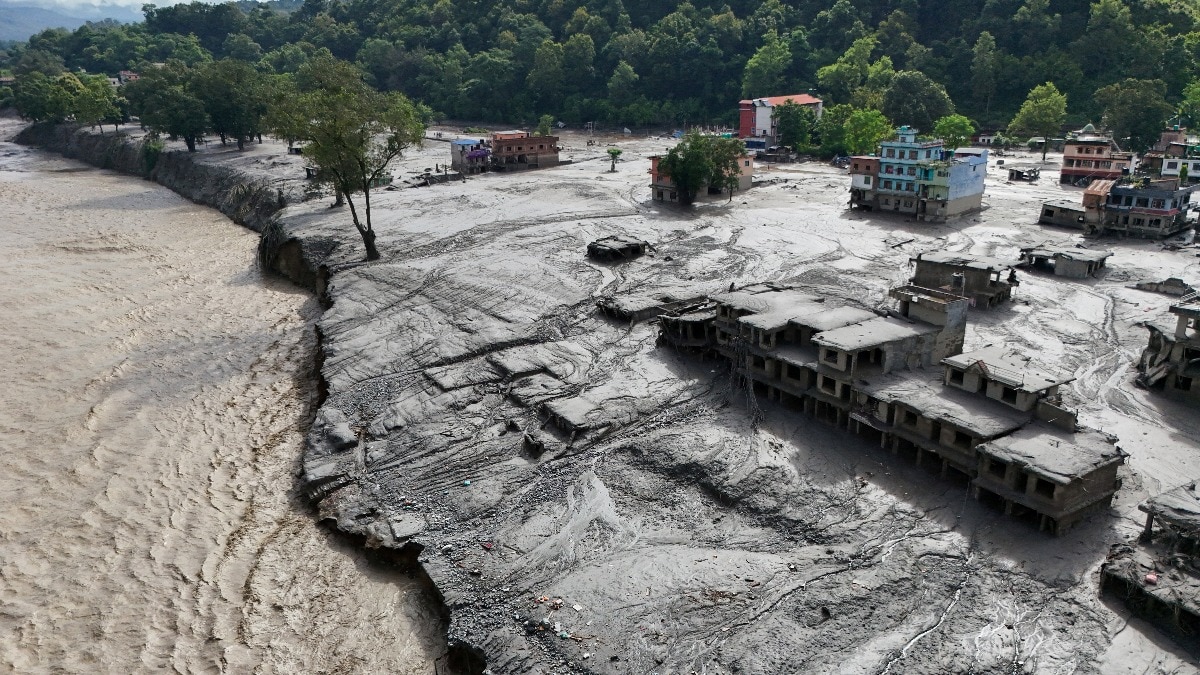
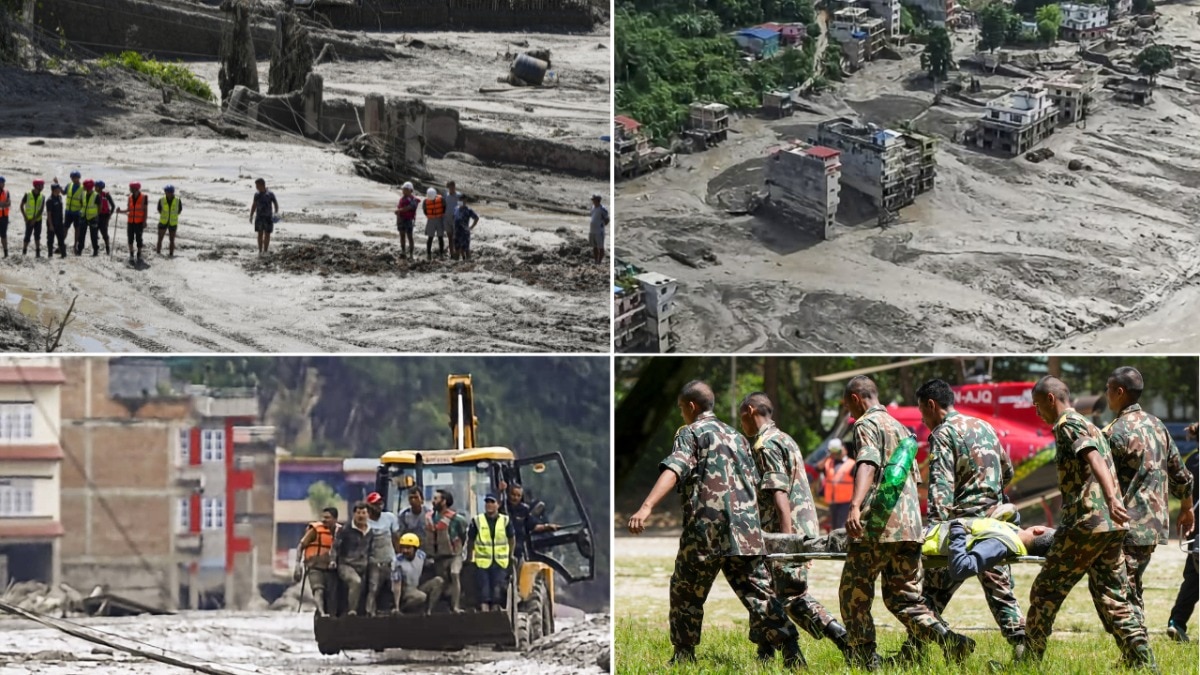
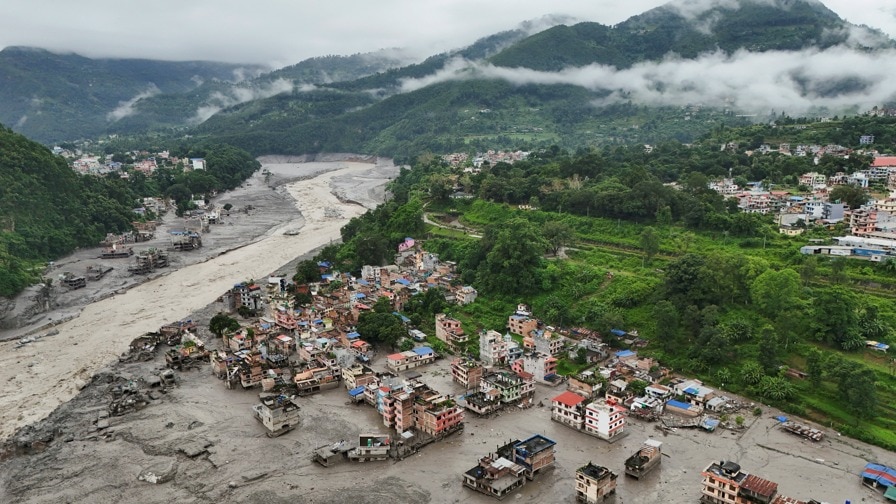
The warning comes as rescue efforts continue in the flood-hit area near the Nepal border, where 558 people, including many foreign tourists, have been reported missing since the flash floods struck Gyirong Port in Gyirong County on August 26. China has also deployed satellites and drones to support rescue and disaster assessment work.
The barrier lake formed near the confluence of the Chhochen Khola and Purepu Tsangpo rivers. These rivers originate in Tibet and flow into Nepal as part of the Bhote Koshi river system. China's emergency response system for natural disasters has four levels, with Level-I being the highest and Level-IV the lowest.
State-run Xinhua news agency reported that the lake had accumulated an estimated two million cubic metres of water as of Thursday morning. Forecasts said inflows into the lake could reach about three million cubic metres over the next three days because of continued rainfall, raising the risk of a breach that could send floodwaters downstream and cause further damage in areas including Gyirong Port at the China-Nepal border and elsewhere downstream.
The ministry has asked local authorities to closely monitor the barrier lake and rainfall, strengthen forecasting and risk assessment, and accurately identify people living in downstream areas that could be affected.
China's Space Administration said it has deployed satellite resources to carry out emergency imaging of the affected area and retrieve historical imagery. It has so far provided five pre-disaster images and 10 post-disaster images to emergency response and disaster relief departments to support damage assessment and mitigation work.
China has also deployed its Wing Loong unmanned aerial vehicle, fitted with high-definition cameras, for reconnaissance in the region, Xinhua reported. Rescue personnel have also been using small UAVs in their operations. According to the report, the high-definition cameras will help create 3D real-scene models of the flood-hit area, giving the rescue command centre data to understand the overall situation and mark priority search zones.
Rescue personnel have also been using UAV thermal imaging equipment to detect human heat-source signals and identify the locations of missing people in vegetated terrain and mud-covered areas, the report said. Firefighters have been using drones to mark points around the lake's perimeter so that its surface area can be calculated from the coordinates. Drone footage showed that the lake's water level had risen compared with Wednesday night.
Rescue work has been slowed by the barrier lake, which Chinese officials believe could trigger a major secondary disaster. An eight-member advance team from China Anneng, a state-owned engineering and rescue enterprise, arrived in Gyirong County on Thursday with communications and detection equipment to gather key data and support efforts to deal with the upstream blockage, which Xinhua described as a top priority. According to rescue personnel at the site, debris piled up about three kilometres upstream of the port can be cleared safely only after the risk from the blockage or barrier lake is addressed.
On Thursday, Chinese Premier Li Qiang visited the disaster-hit area with senior officials from relevant departments to assess the damage. The officials will oversee rescue and relief operations and visit those affected by the disaster. A directing group of the People's Liberation Army Western Theatre Command was also sent to the affected area on Thursday to coordinate joint rescue operations by military personnel in Gyirong County.
China's response has focused on two urgent tasks after the flash floods at the Tibet-Nepal border: managing the risk from the growing barrier lake and continuing the search and rescue operation for the hundreds reported missing in and around Gyirong Port.
With PTI Inputs
- Ends
Published By:
India Today Web Desk
Published On:
Aug 28, 2026 08:40 IST