1 month ago
Last Updated:January 12, 2026, 07:22 IST
Iran is witnessing its deadliest unrest in years, with rights groups reporting hundreds killed as protests against the clerical regime continue despite mass arrests.

Demonstrators and activists hold "Lion and Sun" pre-Iranian Revolution national flags during a rally in support with Iranian people (Photo: Reuters)
Iran is facing its deadliest wave of unrest in years, killing more than 500 people, Reuters quoted a rights group as saying on Sunday.
Norway-based NGO Iran Human Rights (IHR) said it has confirmed the killing of at least 192 protesters but cautioned that “the actual death toll could already amount to several hundreds, or even more."
“Unverified reports indicate that at least several hundred, and according to some sources, more than 2,000 people may have been killed," IHR said, denouncing the violence as a “mass killing" and a “major international crime against the people of Iran."
Another rights group, Human Rights Activists in Iran (HRA), cited by CNN and news agency ANI, reported that at least 420 protesters have been killed over the past 15 days, including eight children.
Protests in Iran, initially sparked by anger over the rising cost of living, have lasted two weeks, becoming a movement against the theocratic system in place since the 1979 revolution.
The violence began on December 28 and has continued despite sweeping security measures and communications blackouts.
GRAPHIC EVIDENCE AND MORGUE FOOTAGE
AFP reported that a video authenticated on Sunday showed dozens of bodies accumulating outside a morgue in Kahrizak, just south of Tehran.
The footage showed bodies wrapped in black bags on the ground, with what appeared to be grieving relatives searching for loved ones.
IHR said the video showed “a large number of people killed during the nationwide protests in Iran," reinforcing concerns that official casualty figures significantly understate the scale of the violence.
INTERNET BLACKOUT AND MASS ARRESTS
The protests have continued despite a nationwide internet blackout lasting more than 72 hours, according to monitoring group NetBlocks.
Activists warned that the shutdown has severely limited the flow of information and increased the risk that the true toll of deaths and arrests remains hidden.
IHR estimates that more than 2,600 protesters have been arrested since demonstrations began.
AFP reported fewer protest videos circulating online in recent days, though it was unclear whether this reflected a decline in demonstrations or the impact of the communications shutdown.
TEHRAN PARALYSED, ECONOMIC PAIN DEEPENS
AFP journalists described Tehran as being in a state of near paralysis. Many shops are closed, and those that open are forced to shut by late afternoon as security forces deploy across the city.
The price of meat has nearly doubled since the unrest began, highlighting the economic distress that initially sparked the protests.
What began as demonstrations against soaring inflation and the rising cost of living has since evolved into a broader movement against the theocratic system established after the 1979 revolution.
REZA PAHLAVI DECLARES NEW PHASE OF UPRISING
Exiled former crown prince Reza Pahlavi issued a dramatic call for escalation, declaring a new phase of what he described as a national uprising to overthrow the Islamic Republic.
In a message posted on X, Pahlavi told Iranians that their “million-strong demonstrations" had “shaken the foundations of the illegitimate regime."
“Now, relying on your million-strong response. I announce another stage of the national uprising to overthrow the Islamic Republic and reclaim our dear Iran," he said.
Pahlavi urged protesters inside Iran to seize and hold central streets and said institutions responsible for “false propaganda and cutting off communications" were “legitimate targets."
He appealed to government employees and security forces to either join the people or face “eternal shame and the curse of the nation."
He also called on Iranians abroad to reclaim embassies and consulates, saying they “belong to the Iranian nation" and should display the national flag instead of that of the Islamic Republic.
“The freedom of Iran is near," Pahlavi said, adding that “global assistance will arrive soon as well."
IRANIAN LEADERS BLAME FOREIGN ENEMIES
President Masoud Pezeshkian accused Iran’s adversaries of “trying to escalate this unrest" and bringing “terrorists from abroad into the country," in comments broadcast by state media.
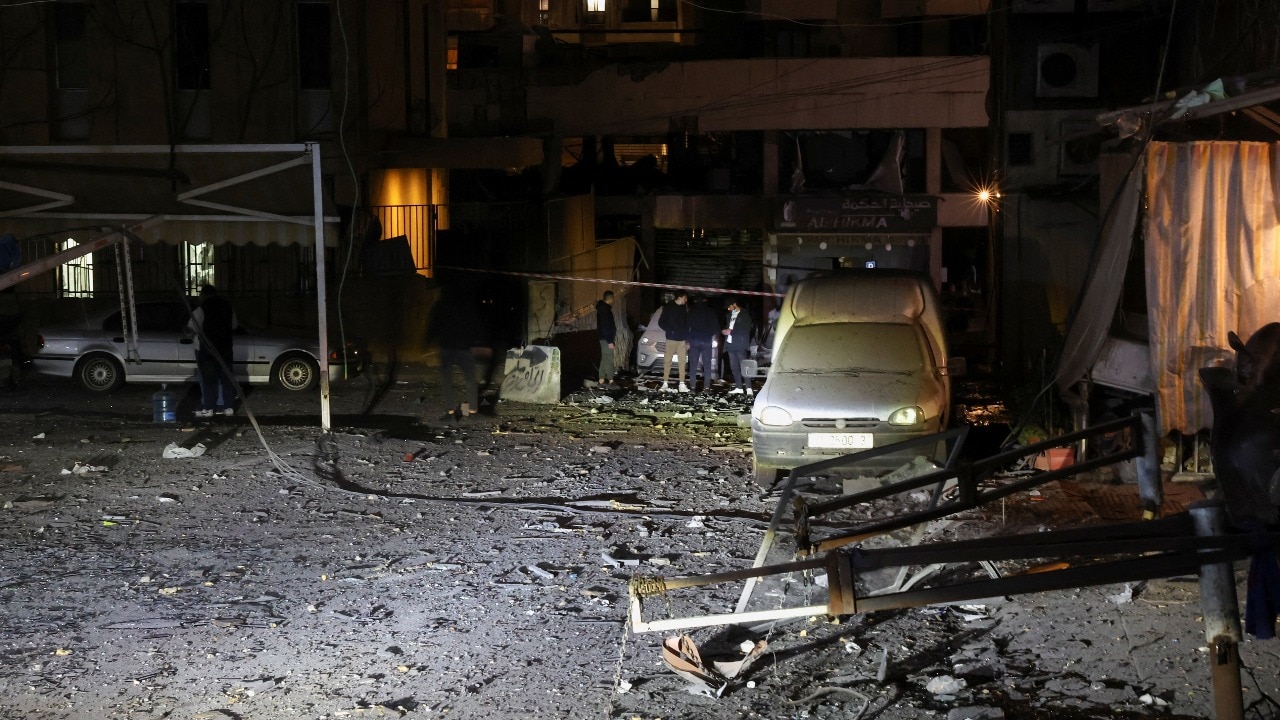
State television aired images of burning buildings, including a mosque, and funerals for security personnel, with authorities saying members of the security forces have been killed.
The government has framed the unrest as an “Iranian national resistance battle against America and the Zionist regime."
Iran declared three days of national mourning for what it described as “martyrs," including slain security personnel.
Iran’s Attorney General Mohammad Movahedi Azad said legal action against protesters would be strict.
According to Tasnim news agency, he said proceedings would be carried out “without leniency, mercy or appeasement," adding, “The charges against all rioters are the same."
TRUMP WEIGHS RESPONSE, WARNS TEHRAN
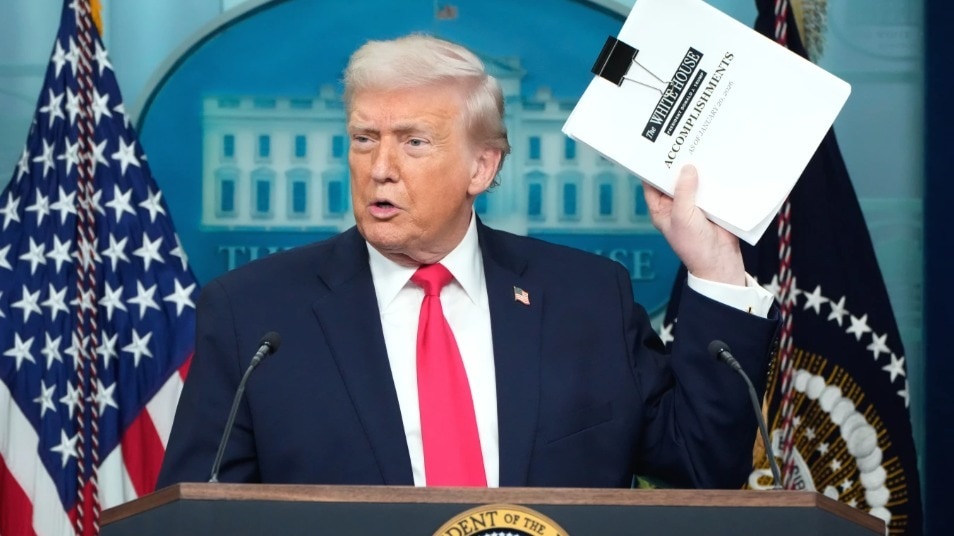
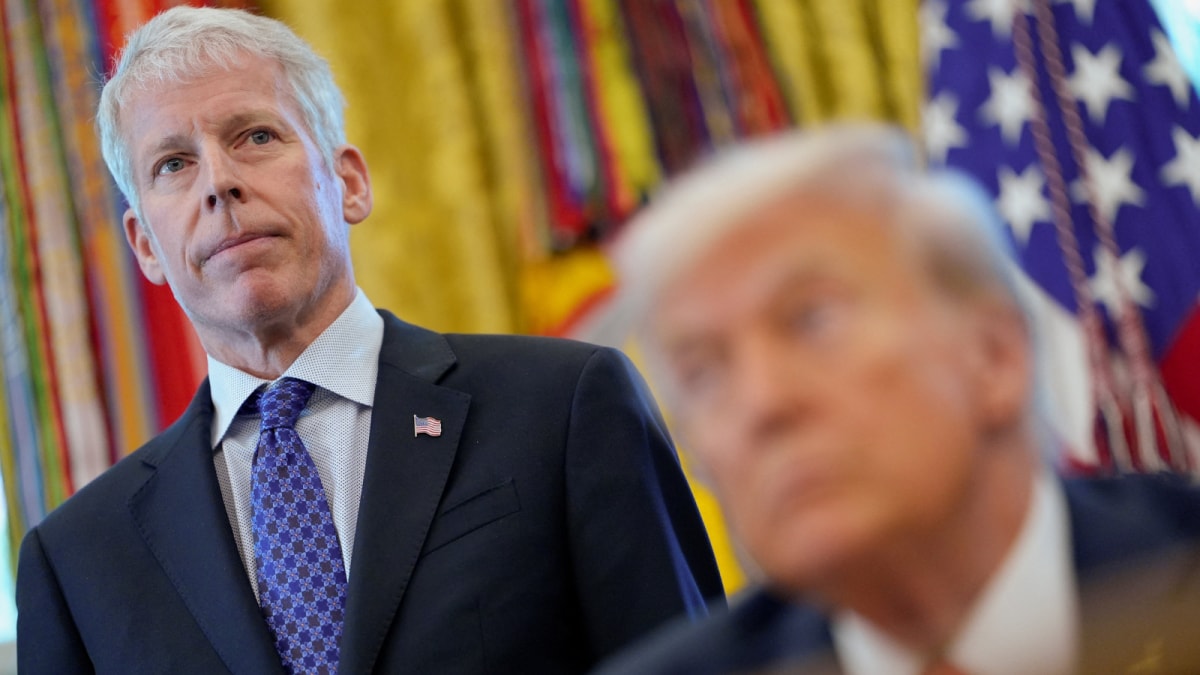
Meanwhile, US President Donald Trump said he is weighing a range of responses, including possible military options, as the unrest escalates.
A US official told Reuters that Trump is expected to meet senior advisers on Tuesday to discuss options on Iran.
Trump has repeatedly warned Iranian authorities against killing protesters and said the US could intervene “if they start killing people."
Iran’s parliament speaker Mohammad Bagher Ghalibaf responded by warning that Iran would retaliate if the US launched military action, saying US forces and shipping would be “legitimate targets," according to state TV.
INTERNATIONAL PRESSURE AND OIL MARKET RISKS
UN Secretary-General Antonio Guterres urged Iranian authorities to “exercise maximum restraint" and called for respect for freedom of expression, association and peaceful assembly.
He also urged steps to restore access to information, including communications.
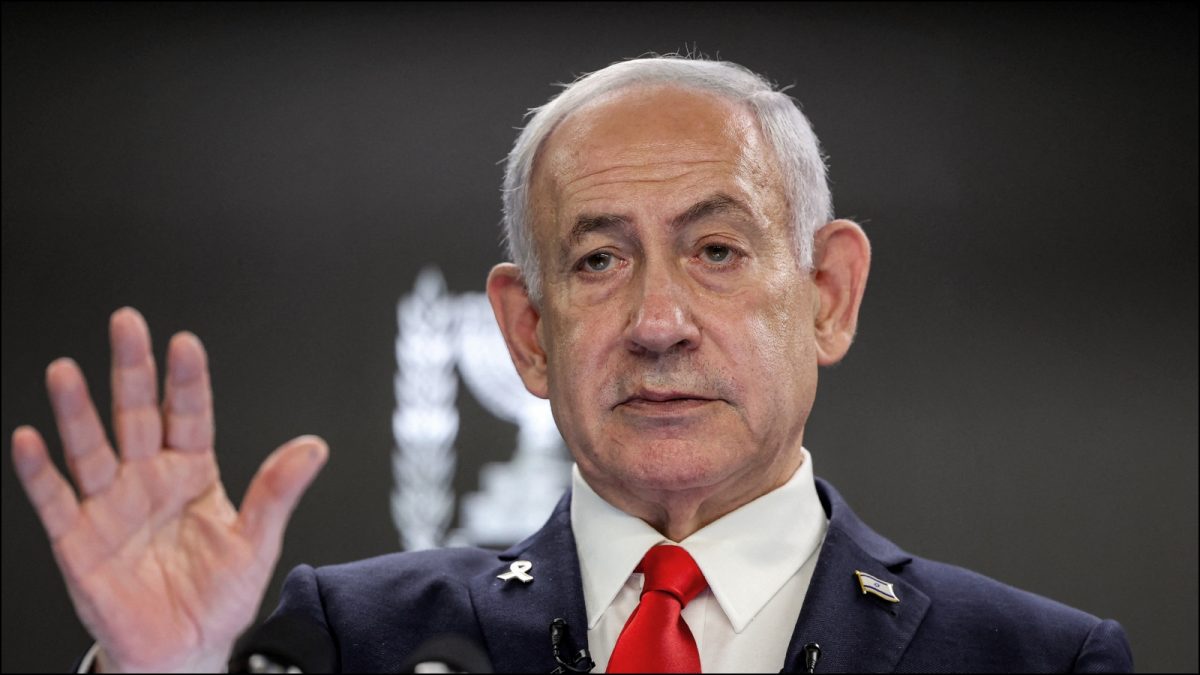
Israeli Prime Minister Benjamin Netanyahu said Israel was “closely monitoring" events and voiced strong support for Iranian protesters.
“Israel supports their struggle for freedom and strongly condemns the mass killings of innocent civilians," he said.
Meanwhile, analysts warned of global repercussions.
ANZ analysts said calls for oil workers to strike put as much as 1.9 million barrels per day of Iranian oil exports at risk of disruption, adding another layer of international concern as Iran’s crisis deepens.
ALSO READ | Netanyahu Hopes Iran Will Be Freed From ‘Tyranny’, Says Tehran Will Become Israel’s Partner Again
First Published:
January 12, 2026, 07:20 IST
News world Death Toll In Iran Unrest Crosses 500; Exiled Crown Prince Calls For Uprising, Trump Weighs Options
Disclaimer: Comments reflect users’ views, not News18’s. Please keep discussions respectful and constructive. Abusive, defamatory, or illegal comments will be removed. News18 may disable any comment at its discretion. By posting, you agree to our Terms of Use and Privacy Policy.
Read More