1 month ago
Last Updated:February 12, 2026, 18:17 IST
The Pakistan foreign office has formally requested consultations and information regarding the Sawalkote mega dam project and has raised it with the Indus water commissioners


India has started work on the Rs 5,129 crore Sawalkote hydroelectric project on the Chenab River in Jammu and Kashmir after pausing the Indus Waters Treaty of 1960. (Image: PTI/File)
Pakistan has responded to India’s mega dam project on the Chenab River in Jammu and Kashmir, accusing New Delhi of violating international treaty obligations and terming it as a “dewatering policy" against Islamabad.
As reported by News18, India has started work on the Rs 5,129 crore Sawalkote hydroelectric project after pausing the Indus Waters Treaty (IWT). Pakistan vowed to fight what it called a violation of the 1960 treaty while India maintained this project was within its developmental rights.
According to the ministry of external affairs (MEA) on Thursday, India said any development project undertaken within the country is based on its own “understanding".
“Any development project that happens in India is based on our understanding. That is how we look at this particular project," the MEA said.
Reacting to the News18 report dated February 8, about the commencement of the Sawalkote mega dam project, Pakistani officials expressed grave concerns that it is part of a broader “dewatering" strategy designed to deprive them of essential water resources.
WHAT DID PAKISTAN SAY?
The Pakistan foreign office has formally requested consultations and information regarding the Sawalkote dam project, with the spokesperson saying the matter has been raised at the level of the Indus water commissioners.
Pakistan’s Indus water commissioner reportedly issued letters in July, and as recently as 11 February, to their Indian counterpart seeking information and consultations mandated by the IWT.
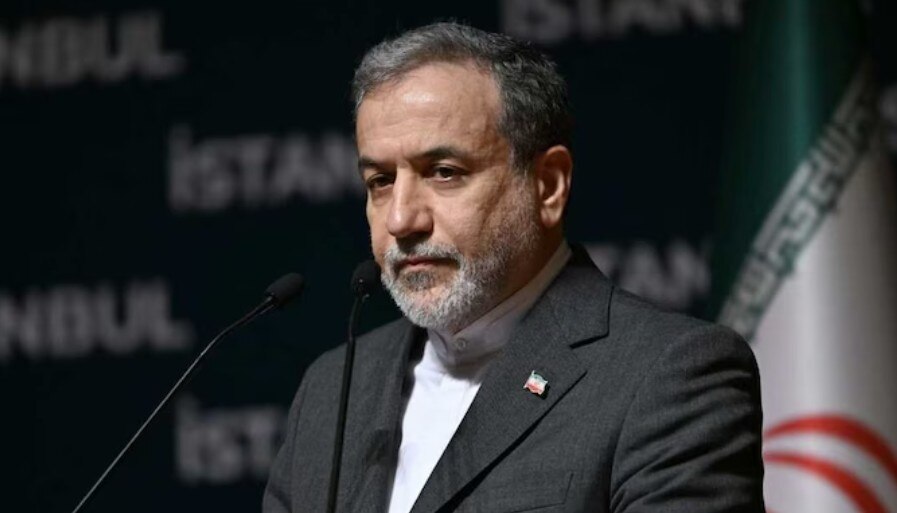
Tahir Andrabi, a spokesperson for the Pakistan foreign office, said the treaty remains a “binding international instrument" and “no unilateral actions or defiance can alter this legal reality".
“Pakistan reiterates that the Indus Waters Treaty remains a binding international instrument, consistent with the decisions of court of arbitration of June and August 2025 and we also remain engaged with it," Andrabi said. “No unilateral actions or defiance can alter this legal reality."
Andrabi said Pakistan has vowed to challenge India’s actions through international legal mechanisms and forums, calling for strict compliance with the treaty to protect the national water rights of its people. He said the issue was about the “existential water right" of the Pakistani population, particularly as nearly three-quarters of the country’s water originates from western rivers like the Chenab.
“Pakistan calls upon India to return to full treaty compliance and fulfill its obligations under the Indus Waters Treaty," he said. “Pakistan is fully committed to the peaceful resolution of disputes and issues with India through dialogue and international legal mechanisms and we wish to reiterate that we will never compromise on our existential water rights of our people."
While Pakistan called for a return to full treaty compliance, India maintained its sovereign right to manage its own infrastructure, especially as the project follows a period where the IWT has been effectively paused by the Centre.
WHAT IS THE SAWALKOTE MEGA DAM PROJECT?
The Sawalkote hydroelectric project is a massive undertaking by the NHPC Ltd, at an estimated cost of Rs 5,129 crore.
Located in the Udhampur and Ramban districts of Jammu and Kashmir, the project is situated on the Chenab River positioned between the existing Baglihar project upstream and the Salal project downstream.
Here are some key details:
Capacity: The project is designed for a total capacity of 1,856 MW, divided into Stage I (1,406 MW) and Stage II (450 MW).Design: It is classified as a “run of the river" project.Timeline: Documents accessed by News18 indicate that the project could take nine years to complete, though the central government is showing significant urgency to commission it as early as possible.Strategic Significance: This is the first major new project to receive the green light from the Indian government following the abrogation or suspension of the IWT.ALSO READ | PM Modi’s Water Doctrine In Action: Centre Fast-Tracks Indus Projects For North India
The dam project is part of a wider push by the Modi government to fast-track multiple hydropower projects on the Chenab river system, including the Pakal Dul, Kiru, and Ratle dams, to bolster India’s ability to generate power and manage water flows.
Handpicked stories, in your inbox
A newsletter with the best of our journalism
Location :
Islamabad, Pakistan
First Published:
February 12, 2026, 17:36 IST
News world 'Dewatering Policy': Pakistan Vows To Oppose Chenab Mega Dam Project; India Responds
Disclaimer: Comments reflect users’ views, not News18’s. Please keep discussions respectful and constructive. Abusive, defamatory, or illegal comments will be removed. News18 may disable any comment at its discretion. By posting, you agree to our Terms of Use and Privacy Policy.
Read More