1 month ago
With one week remaining in the ceasefire between the US and Iran, diplomatic activity is accelerating across multiple fronts to bring both sides back to the table and secure an agreement acceptable to all.

US-Iran diplomacy goes into overdrive.
Ships may or may not be crossing the Strait of Hormuz, but diplomats are criss-crossing the globe as just one week remains in the ceasefire between the US and Iran.
The two-week pause in fighting is set to expire April 22. After an initial round of talks in Islamabad aimed at permanently ending the conflict collapsed last weekend, diplomats are racing against the clock, working through back channels to arrange a new round of negotiations.
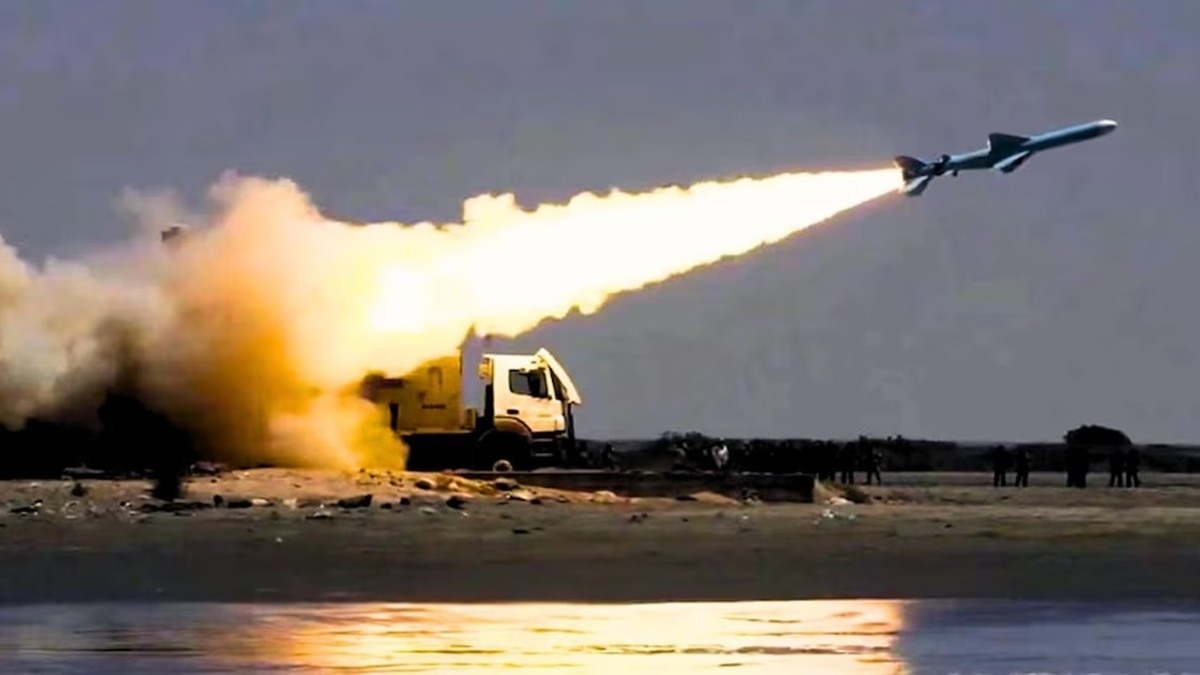
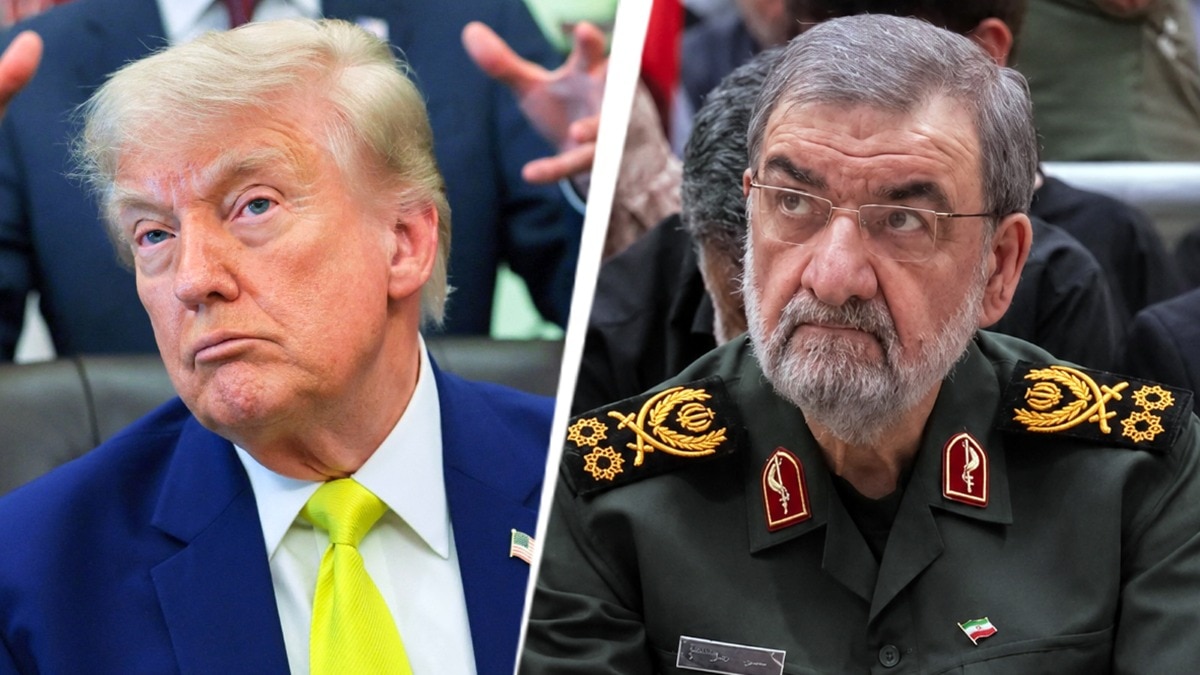
The shaky ceasefire is already under strain. Washington has enacted a blockade of Iranian ports, prompting Tehran to threaten strikes on targets across the region. Time is of the essence to bring both sides back to the table and secure an agreement acceptable to all.
US-IRAN TALKS 2.0
The war, now in its seventh week, has jolted markets and rattled the global economy. Shipping disruptions and sustained airstrikes have damaged both military and civilian infrastructure.
The ceasefire had briefly offered respite, and direct talks between US and Iranian officials in Islamabad had raised hopes of a diplomatic off-ramp. However, after 21 hours of marathon negotiations, the sides failed to reach a deal.
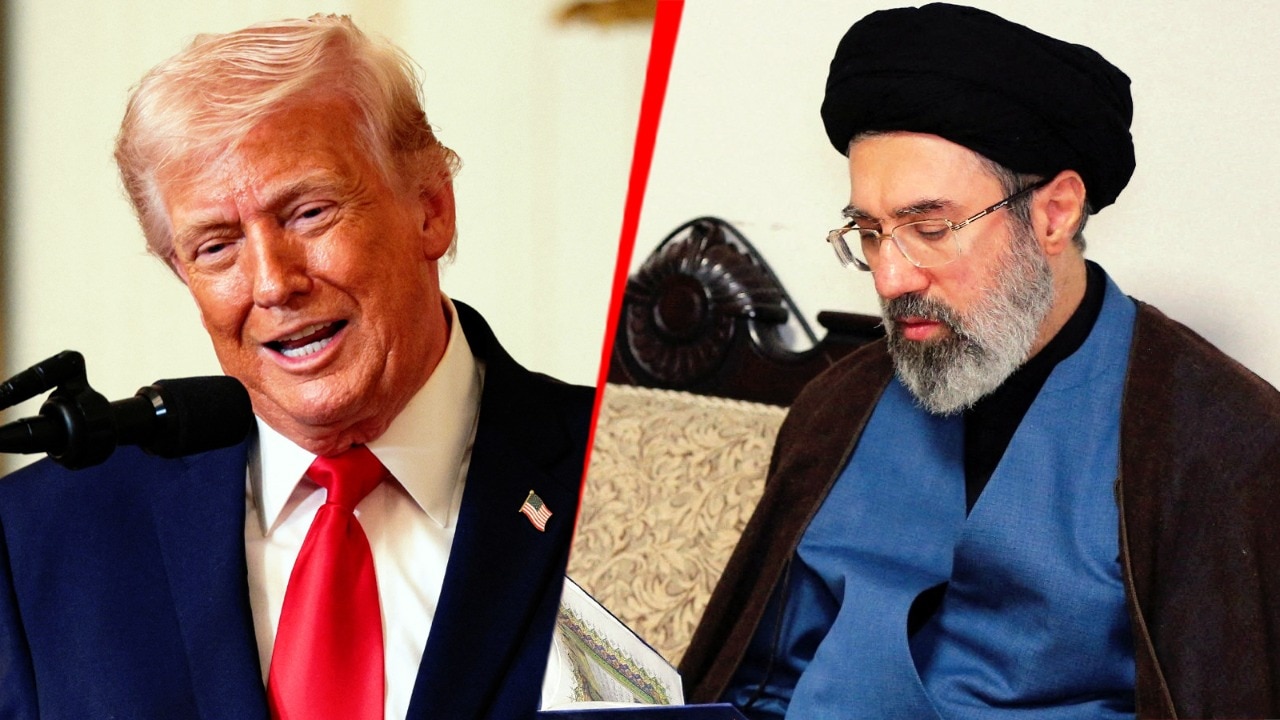
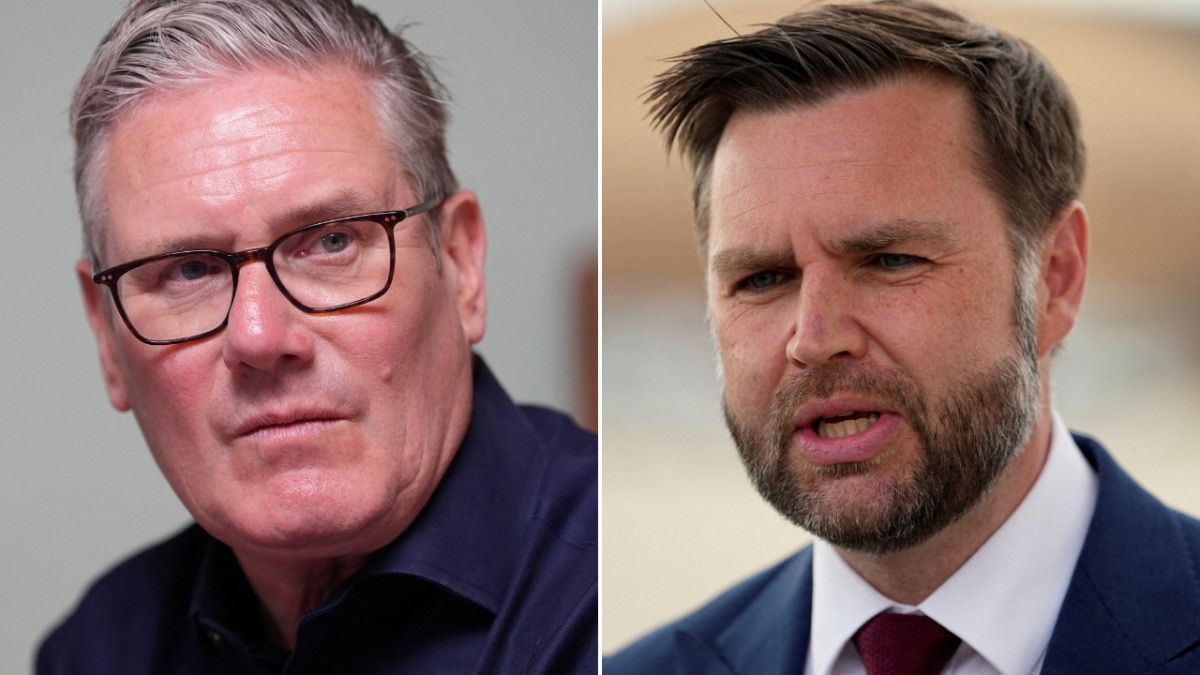
US Vice President JD Vance, who led the American delegation, said Iran rejected Washington’s “final and best offer.” The White House said Tehran’s nuclear ambitions remained a central sticking point.
Iranian Parliament Speaker Mohammad-Baqer Qalibaf pushed back, saying the US side “ultimately failed to gain the trust of the Iranian delegation in this round of negotiations”.
Despite the setback, officials in the Trump administration are discussing plans for another in-person meeting before the ceasefire lapses. The US President hinted on Tuesday that a second round of talks could take place “over the next two days,” telling the New York Post that Islamabad could again host negotiations.
UN Secretary-General Antonio Guterres said it is “highly probable” that talks will restart, citing a meeting with Pakistan’s Deputy Prime Minister Ishaq Dar.
A source involved in the negotiations told Reuters that a proposal has been sent to Washington and Tehran to return to Islamabad. No date has been set, but delegations are keeping Friday through Sunday open for a possible meeting.
ISRAEL-LEBANON HOLD HISTORIC TALKS
In parallel, Lebanon and Israel are holding their first direct diplomatic talks in more than three decades in Washington.
The discussions come amid ongoing hostilities. Israel’s bombardment and ground operations have threatened to derail the broader Iran ceasefire, with disagreement over whether the truce applies to Lebanon.
The conflict there began March 2, when the Iran-backed militant group Hezbollah fired missiles across the border, two days after the US and Israel launched their war on Iran. Israeli strikes have killed 2,124 people during the six-week conflict.
On Tuesday, Israeli and Lebanese ambassadors met US Secretary of State Marco Rubio, even as cross-border fire continued. Hezbollah is not participating in the talks.
Rubio cautioned against expectations of a breakthrough, saying, “the complexities of this matter won’t be resolved in the next six hours.”
“But we believe it is worth this endeavour, and it's a historic gathering that we hope to build on. And the hope today is that we can outline the framework upon which a permanent, lasting peace can be developed,” he said.
Positions remain far apart. Lebanon has called for a truce as a precondition to negotiations, similar to the US-Iran ceasefire brokered by Pakistan. Israel, however, has ruled out a ceasefire, insisting that Hezbollah’s disarmament is central to any agreement.
Hezbollah leader Naim Qassem dismissed the talks. “These negotiations are futile,” he said in a televised speech. “No one has the right to take Lebanon down this path without internal consensus among its components — and this has not happened.”
FRANCE, UK PUSH HORMUZ SECURITY TALKS
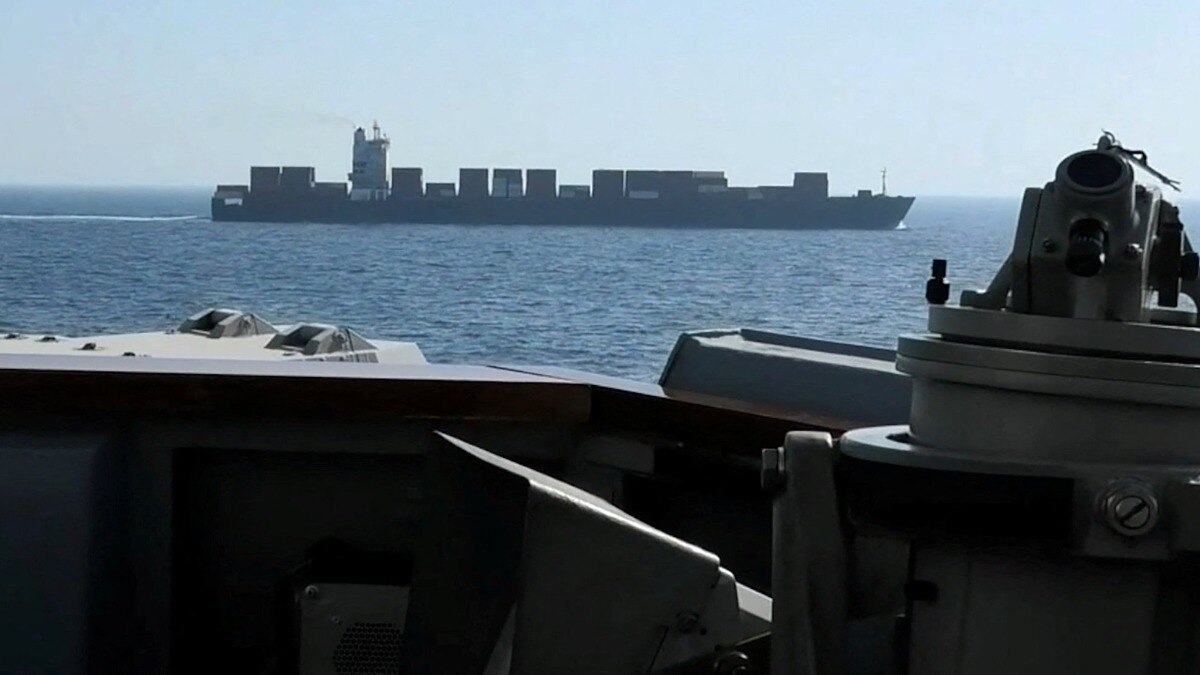
Separately, France and the United Kingdom plan to co-host a summit of more than 40 nations on Friday to develop a plan to secure the Strait of Hormuz.
French President Emmanuel Macron and British Prime Minister Keir Starmer are expected to lead the talks via video conference. The proposed initiative would create a “multilateral and purely defensive mission” to help “restore freedom of navigation in the Strait of Hormuz when the security conditions allow it,” according to a statement from the Elysee Palace.
The statement said “non-belligerent” countries willing to contribute would participate, though no specific nations were named.
The move comes after the failed talks in Islamabad led Trump to announce a blockade of ships entering or leaving the strait in a bid to pressure Iran over its nuclear programme.
France and the UK have condemned the US approach. A spokesperson for Starmer said the summit aims to “drive forward the international effort we have built in recent weeks to ensure freedom of navigation,” though it remains unclear how the initiative will reduce tensions.
- Ends
Published By:
Devika Bhattacharya
Published On:
Apr 15, 2026 00:06 IST