1 month ago
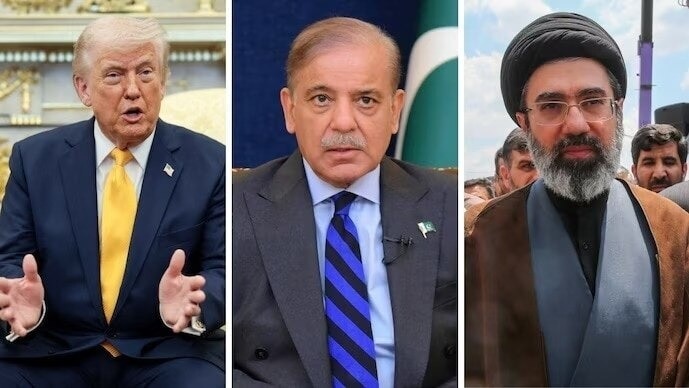
In a post on Truth Social, Donald Trump on Thursday said Iran was "doing a very poor job" and described its conduct as "dishonourable," claiming that reports suggested tanker vessels were being charged to pass through the strategic waterway.
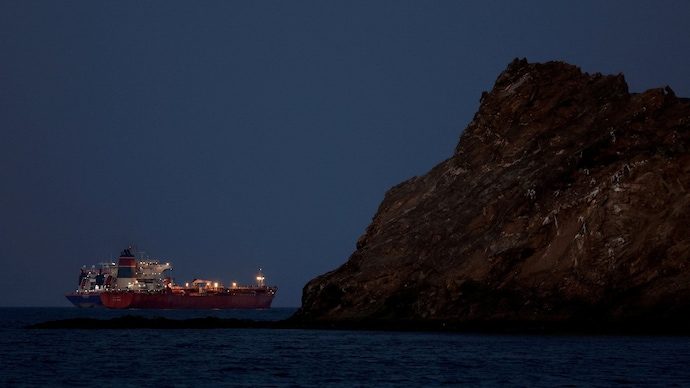
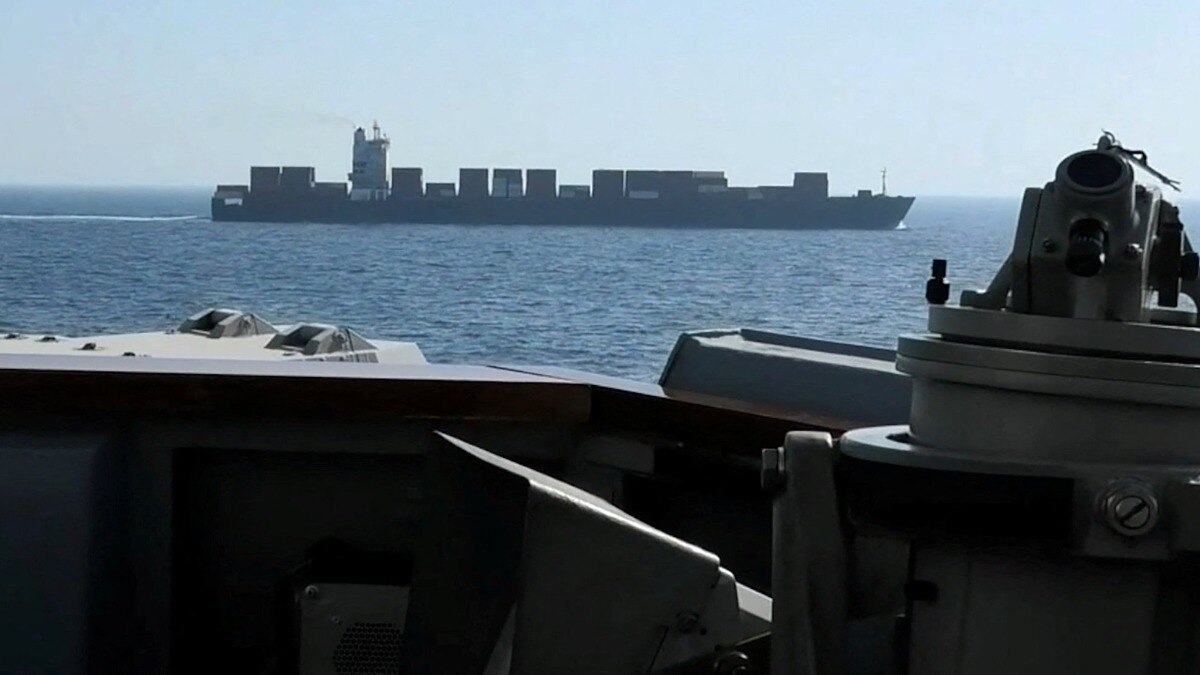
Before the conflict, around 130–140 vessels transited the Strait of Hormuz each day. (Reuters Photo)

UPDATED: Apr 10, 2026 07:38 IST
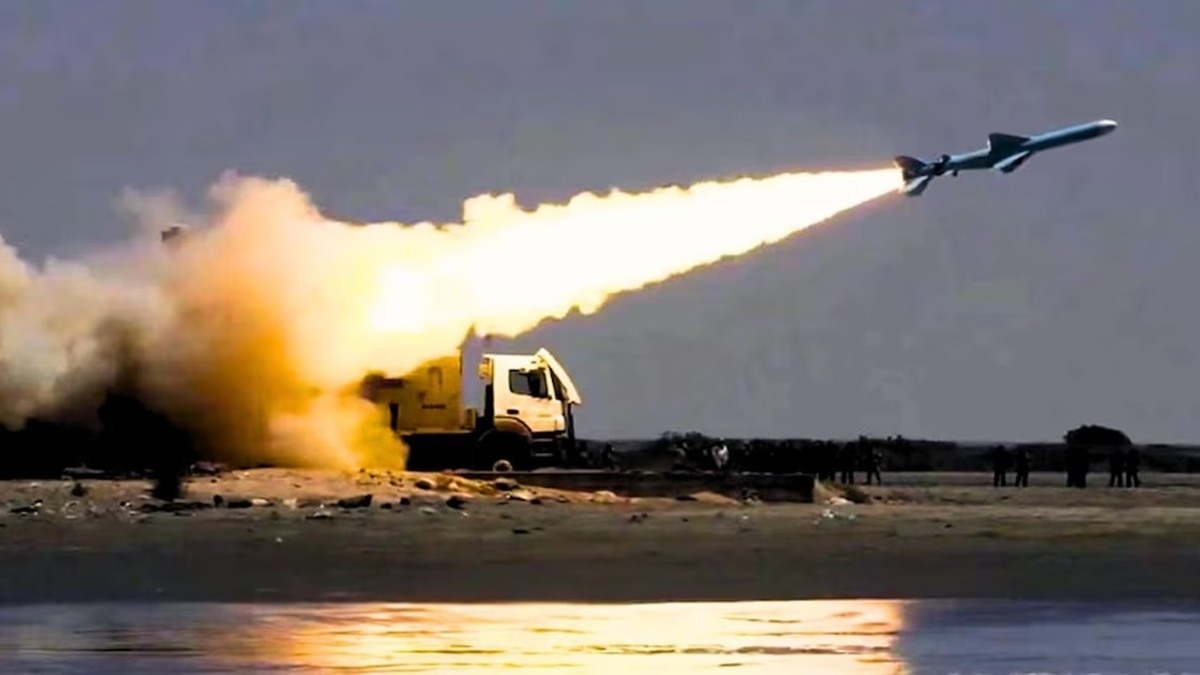
US President Donald Trump has accused Iran of mishandling maritime traffic through the Strait of Hormuz, alleging that Tehran is obstructing the flow of oil and warning that reported attempts to charge shipping fees would violate existing understandings.
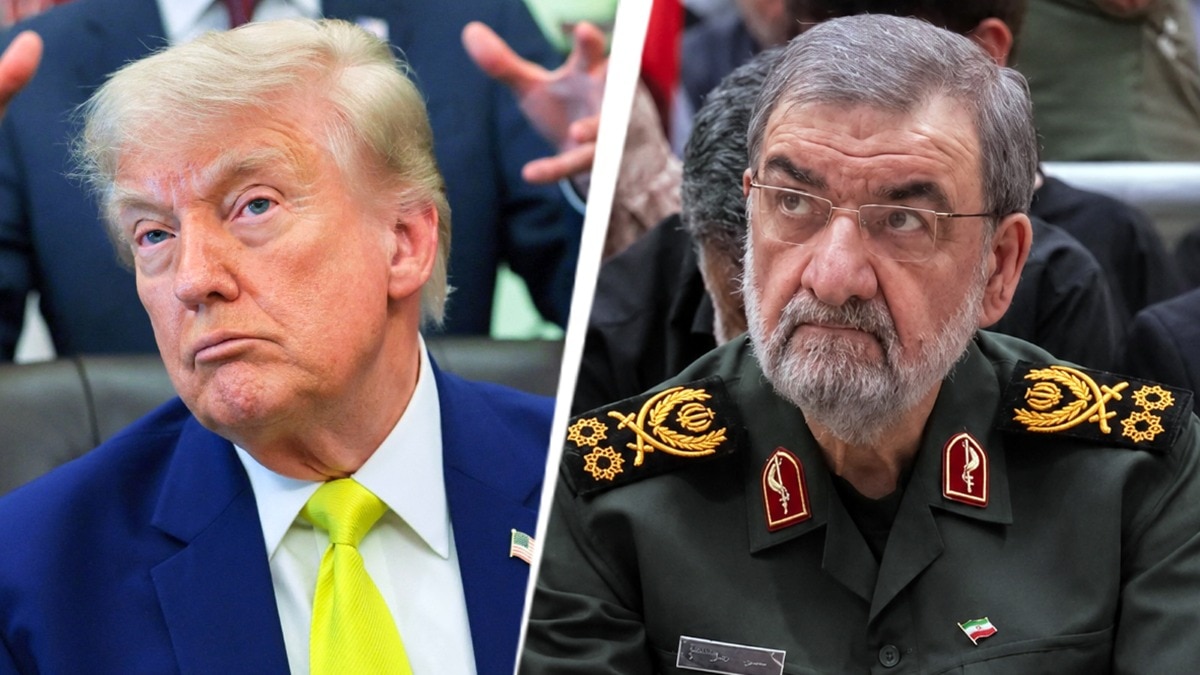
In a post on Truth Social, Trump on Thursday said Iran was “doing a very poor job” and described its conduct as “dishonourable,” claiming that reports suggested tanker vessels were being charged to pass through the strategic waterway.
He warned that if such practices were taking place, they “better stop now.”
The comments come amid mounting disruption in one of the world’s most critical energy corridors, where ship-tracking data indicates a sharp slowdown in maritime traffic even after the two-week ceasefire was announced by Trump this week.
Before the conflict, around 130–140 vessels transited the Strait of Hormuz each day — a narrow 34-km channel between Iran and Oman that serves as the only sea link between the Gulf and the Indian Ocean.
On Thursday, just four tankers and three bulk carriers transited the strait, taking the total number of vessels since the ceasefire to at least 12, according to data firm Kpler. The actual figure may be higher, as some ships could have passed without transmitting location signals.
Separately, ship-tracking data showed a Botswana-flagged LNG tanker reversing course after attempting to exit the Persian Gulf, underscoring continued uncertainty in the waterway.
The slowdown has contributed to a significant backlog of vessels inside the Gulf, with hundreds of tankers and cargo ships reportedly unable to exit since the escalation of conflict began in late February.
The disruption has already tightened global oil supply, with estimates suggesting output flows have been reduced substantially during the crisis period.
At the same time, reports have circulated suggesting Iran could impose transit charges on vessels passing through the strait, though such a move has been rejected by international shipping bodies.
The Maritime Organization has said there is no legal framework allowing unilateral tolls on international straits.
Meanwhile, some shipping firms have begun adopting unusual routing patterns to limit risk after Iran’s Islamic Revolutionary Guard Corps (IRGC) reportedly directed vessels to use designated corridors near its territorial waters, including routes around Larak Island, moves maritime observers see as a clear assertion of operational control over transit through the strait.
Indian-flagged Pine Gas LPG tanker recently took the unusual route around the Larak Island to exit the Gulf. The company did not pay Iran a toll to transit and the vessel was not boarded by IRGC.
Meanwhile, analysts warn that even if traffic resumes at higher levels, clearing the current backlog could take weeks, given the scale of disruption and continued security risks in the region.
- Ends
Published By:
Karishma Saurabh Kalita
Published On:
Apr 10, 2026 07:38 IST
Tune In