1 month ago
Despite the stalemate in Islamabad, Pakistani, Egyptian and Turkish mediators will continue talks with the US and Iran in the coming days to bridge remaining gaps and reach a deal to end the war, sources told Axios on Sunday.
According to the report, Turkish and Egyptian foreign ministers held separate calls with their Pakistani counterpart on April 12. Both then spoke with White House envoy Steve Witkoff and Araghchi, sources told the publication.
The report said that all parties remain optimistic that a deal is possible before the ceasefire expires on April 21. "We are not in a complete deadlock. The door is not closed yet. Both sides are bargaining. It's a bazaar," the regional source told Axios.
A US official said that a deal could be reached if Iran shows more flexibility and accepts the proposal made during the April 11 talks in Islamabad.
An 'X' post by Iran's Ambassador to Pakistan has also raised hopes of another round of negotiations between Tehran and Washington. Reza Amiri Moghadam said that Islamabad talks did not fail but laid the foundation for a diplomatic process. "If trust and will are strengthened, we can create a sustainable framework for the interests of all parties," he wrote on 'X'.
NAVAL BLOCKADE TO COMPLICATE MATTERS
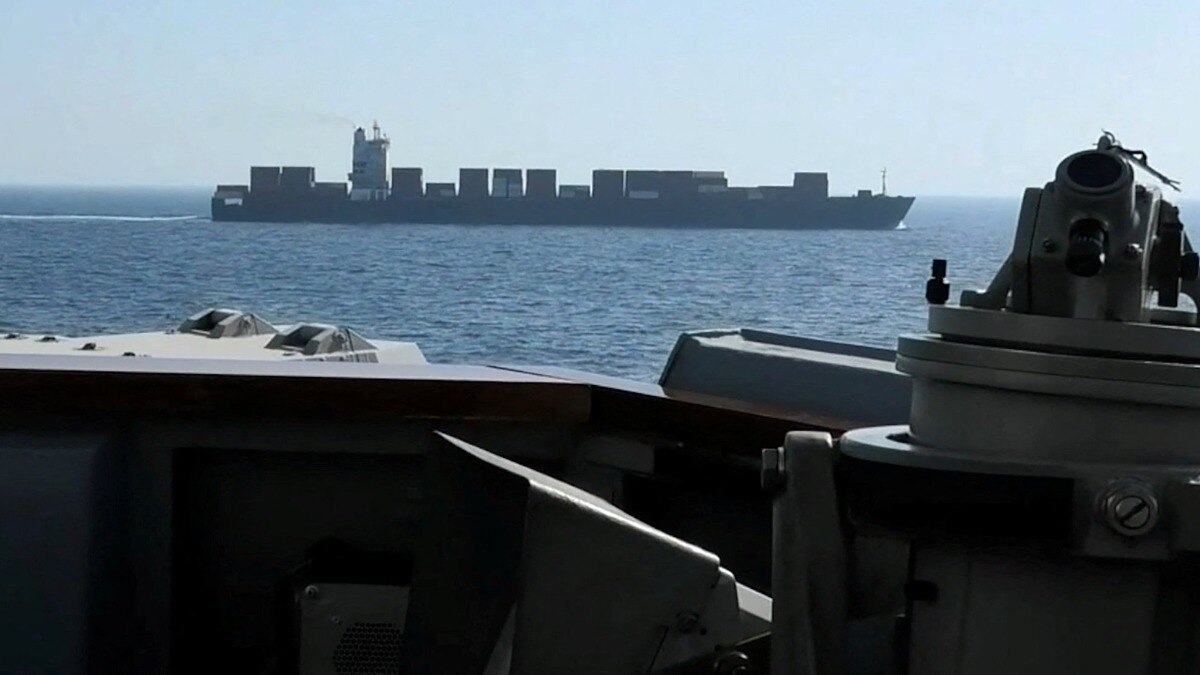
The development comes just ahead of the US naval blockade, which is set to come into effect at 7:30 am IST on Monday. According to the US Central Command, the blockade "will be enforced impartially against vessels of all nations entering or departing Iranian ports and coastal areas."
The main disagreement during the 21-hour US–Iran talks was about nuclear issues. The US wanted Iran to stop enriching uranium and give up its stockpile, but Iran did not agree. Another disagreement was over how much frozen money Iran should get back in return for making nuclear concessions.
Future discussions with Iran are also likely to include the naval blockade, as Trump aims to prevent Iran from using the Strait of Hormuz as leverage in the talks.
Moreover, President Trump is considering resuming strikes if a US naval blockade does not compel Iran to change course, sources told Axios. Targets could include civilian infrastructure like power plants and railway lines, which Trump had threatened before the two-week ceasefire came into effect.
VANCE OPTIMISTIC OF DEAL
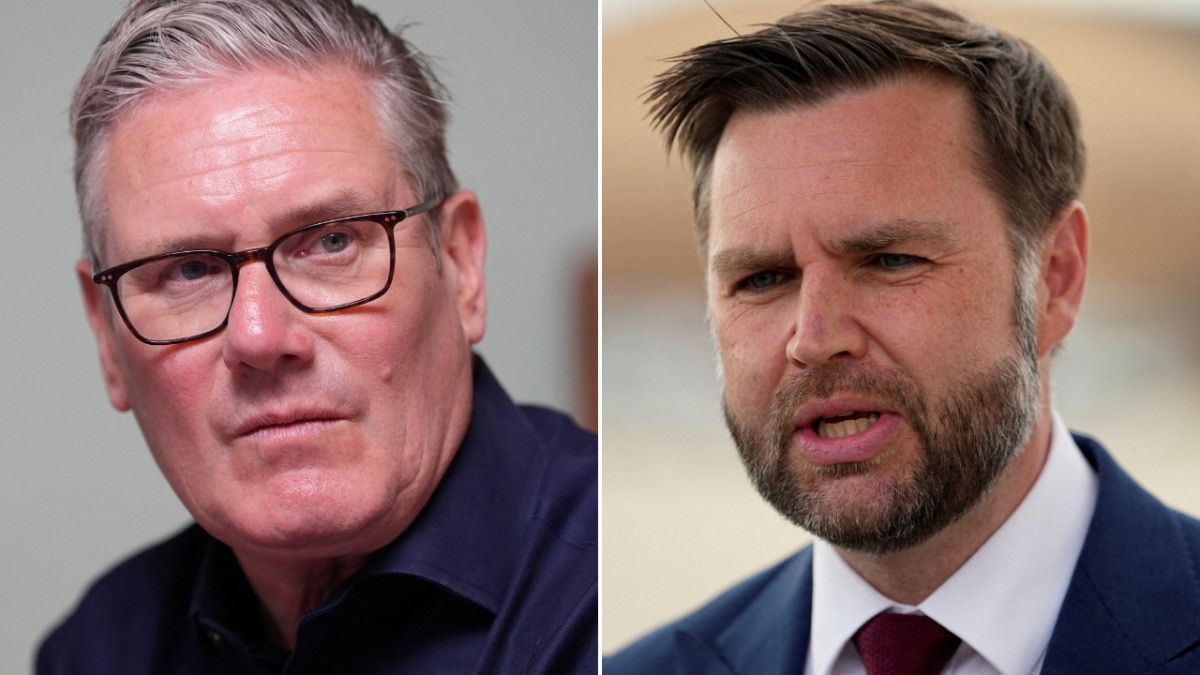
Vice President JD Vance, who led the US negotiating team, had left Islamabad without a breakthrough. A US official described the talks, the highest-level interaction between the two countries since 1919, as a "tough but friendly and productive exchange of proposals."
"In the coming days, the Vice President is hopeful that they will reflect on the offer that they received and recognise that a deal is in both parties' interest," the official said.
Iranian foreign minister Abbas Araghchi claimed the parties were "inches away" from a deal before the US "shifted the goalposts", a claim Axios could not confirm.
Despite ongoing disagreements, both sides remain cautiously optimistic, though key issues like nuclear restrictions and financial terms are still unresolved.
- Ends
Published By:
Aprameya Rao
Published On:
Apr 13, 2026 16:36 IST
Tune In