1 month ago
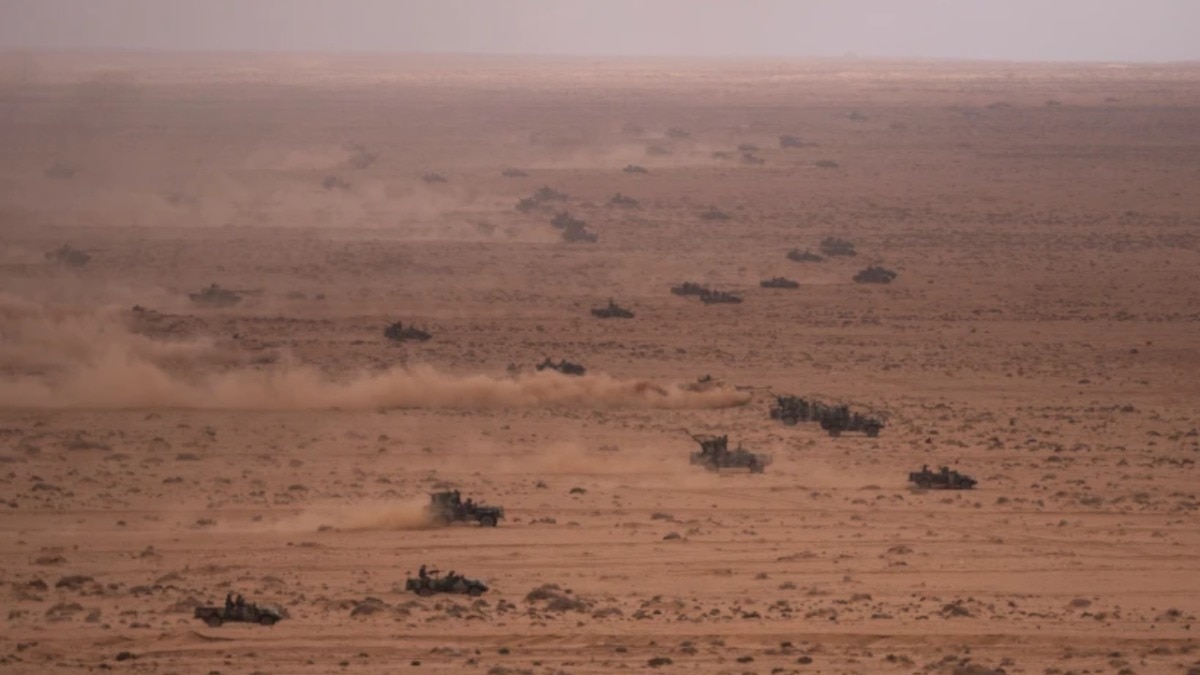
A stark warning, rising tensions, and a region on edge. As war clouds gather, questions grow over whether the UAE's strategic choices could put its most prized cities directly in harm's way.
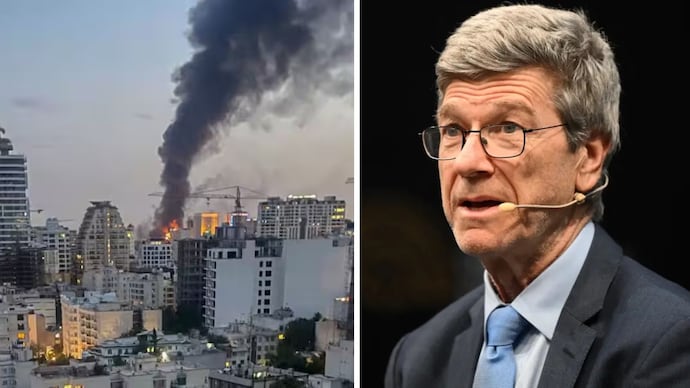
Economist Jeffrey Sachs warns UAE against entering conflict as Dubai and Abu Dhabi face immediate danger amid Gulf tensions.

UPDATED: Mar 30, 2026 13:36 IST
A stark warning over the safety of the Gulf’s most iconic cities has emerged as top economist Jeffrey Sachs cautioned the United Arab Emirates against entering the ongoing conflict, saying Dubai and Abu Dhabi could face immediate danger.
Speaking amid rising tensions in West Asia, Sachs said the UAE risks exposing its economic and urban centres, built as global tourist and financial hubs, to the realities of war.
“Basically, Dubai and Abu Dhabi could be blown up if the UAE gets into the war,” he said, pointing to the vulnerability of cities not designed for sustained military defence.
‘TOURIST HUBS, NOT WAR ZONES’
Sachs warned that the very identity of these cities makes them particularly exposed.
“These are resort areas. These are tourist destinations. These are not fortified missile defence areas. These are places where rich people are going to party and put their money,” he said.
“To enter a war zone is to defeat the entire purpose of a place like Dubai.”
He described the UAE’s current position as an “absurd mess”, adding that the country was continuing to deepen its exposure by aligning closely with the United States and Israel.
‘A FUNDAMENTAL MISCALCULATION’
Sachs linked the UAE’s strategic choices to its participation in the Abraham Accords, which he described as an “invitation for disaster”.
According to him, Gulf nations placed excessive reliance on American military backing, believing it would shield them from regional threats.
“They said, we have the US military facilities. They will protect us. Therefore, we can act as we see fit. This is a fundamental miscalculation,” he said.
Invoking a well-known line attributed to Henry Kissinger, Sachs added, “To be an enemy of the United States is dangerous, but to be a friend is fatal.”
CALL FOR RESTRAINT
Sachs urged the UAE leadership to rethink its approach and avoid further escalation.
“Protect yourself. Understand the situation. You think that doubling down on a losing proposition is really the right way to proceed at this point, but that’s exactly what they’re doing,” he said.
His remarks come at a time when diplomatic efforts remain limited, with indirect channels involving regional players but no direct negotiations between Washington and Tehran.
IRAN’S WARNING TO THE REGION
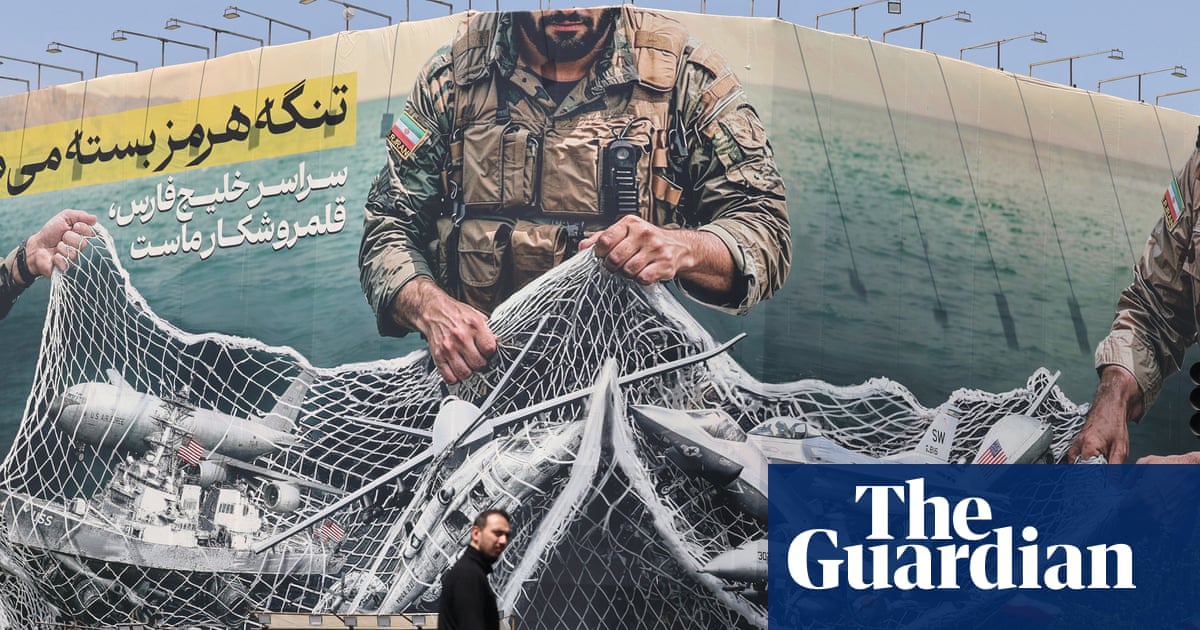
The caution from Sachs comes alongside increasingly sharp messaging from Tehran.
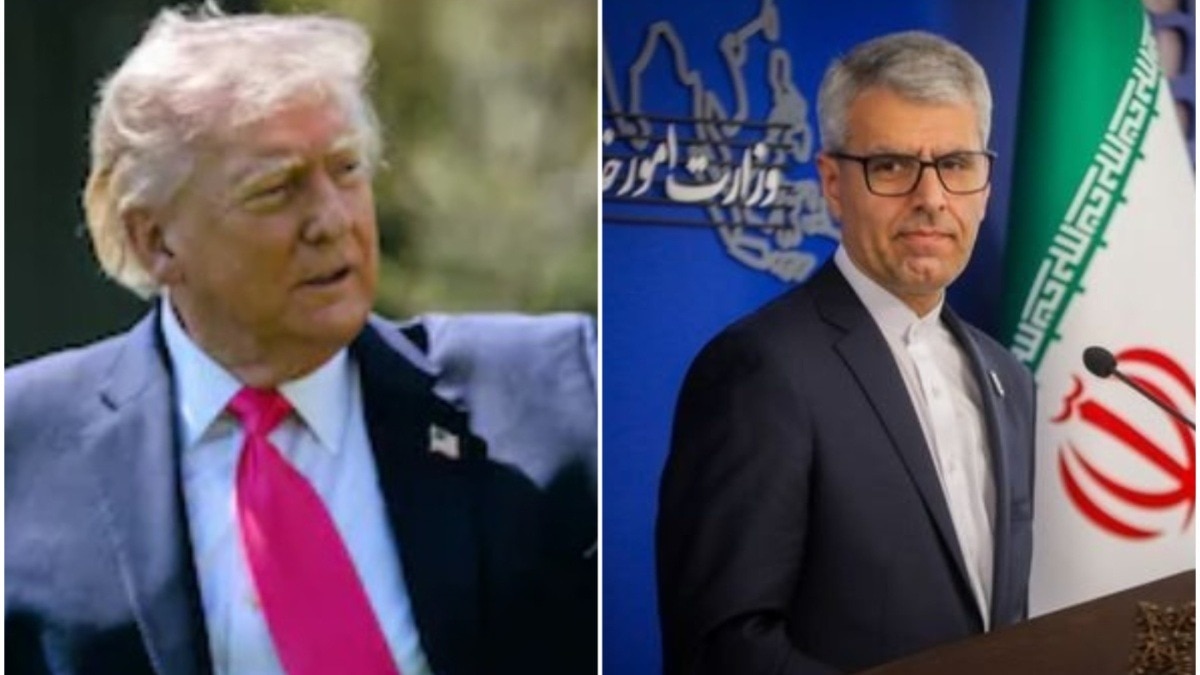
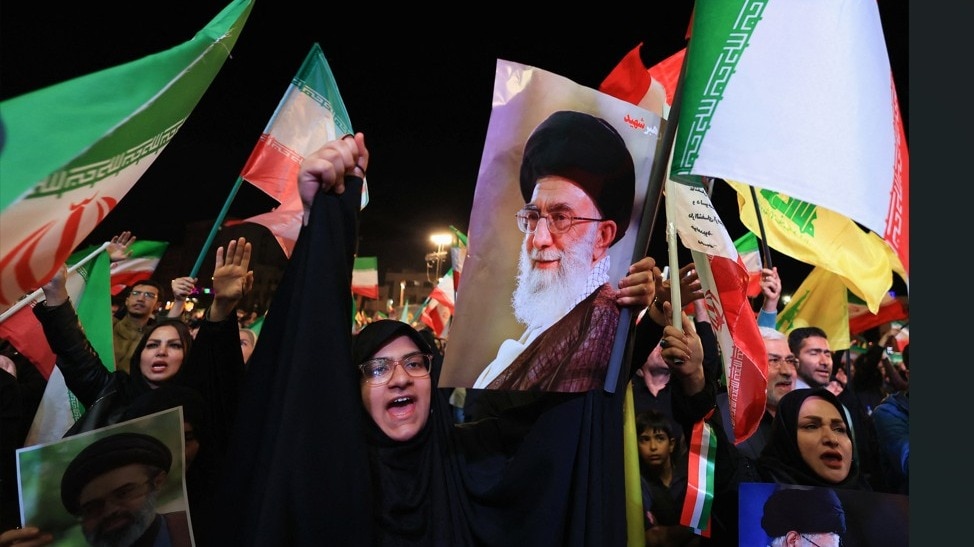
On March 20, Iran’s foreign ministry called on countries in West Asia to block the United States from using military bases on their soil for strikes against Iran.
Tehran described such facilities as a “root cause” of the current crisis and warned that allowing their use would amount to participation in aggression.
The ministry said countries hosting US bases could face consequences if those installations were used in attacks.
REGION ON EDGE
Gulf states have already condemned attacks on their energy infrastructure, signalling growing alignment with the US position. That, in turn, has raised fears of a wider regional spillover.
As tensions rise, the question now facing the UAE is whether its strategic partnerships offer protection or increase its exposure.
For cities like Dubai and Abu Dhabi, the stakes go beyond geopolitics. They strike at the very model on which these global hubs were built.
- Ends
Published By:
Sonali Verma
Published On:
Mar 30, 2026 13:36 IST
Tune In