1 month ago
Last Updated:December 31, 2025, 09:33 IST
For over three decades, Bangladesh’s democracy revolved around this singular axis---Khaleda Zia versus Sheikh Hasina or BNP vs Awami League

With Sheikh Hasina (right) now pushed into political exile and Khaleda Zia (left) gone, the duopoly that once controlled Dhaka’s corridors of power seems fractured. (AFP)
With the death of Bangladesh’s first woman prime minister Khaleda Zia at 80, the country’s power structure entered a decisive transition. This clearly looks like the end of an era dominated by two women politicians—Zia and Sheikh Hasina—who shaped, scarred and stabilised the country in equal measure.
While Zia breathed her last on Tuesday, Hasina, the ousted prime minister of Bangladesh, is still in a forced political exile. The female duopoly that defined the country’s turbulent politics is breaking and Bangladesh’s three-decade stretch of women prime ministers appears to be closing.
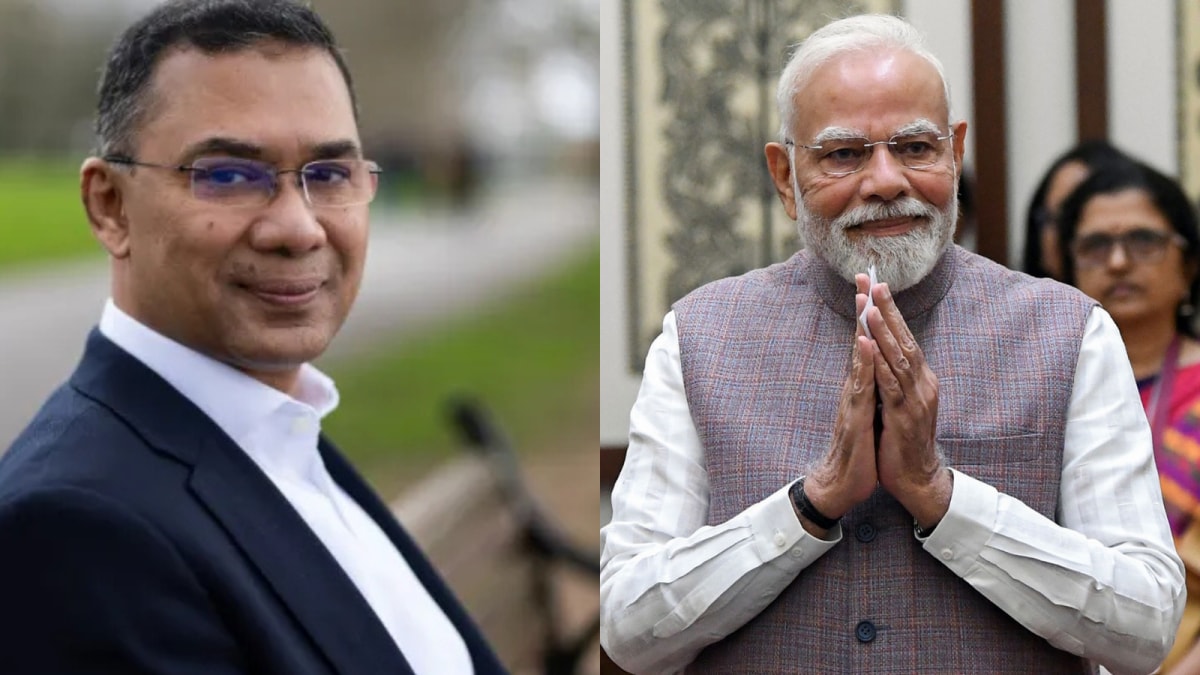
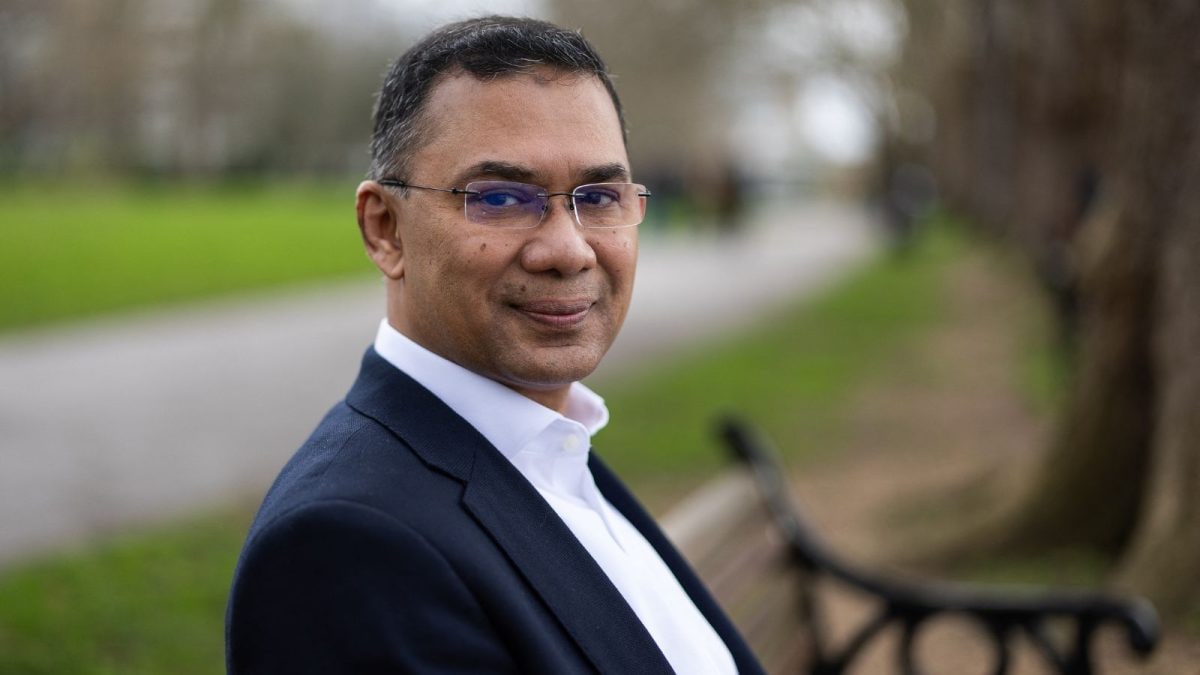
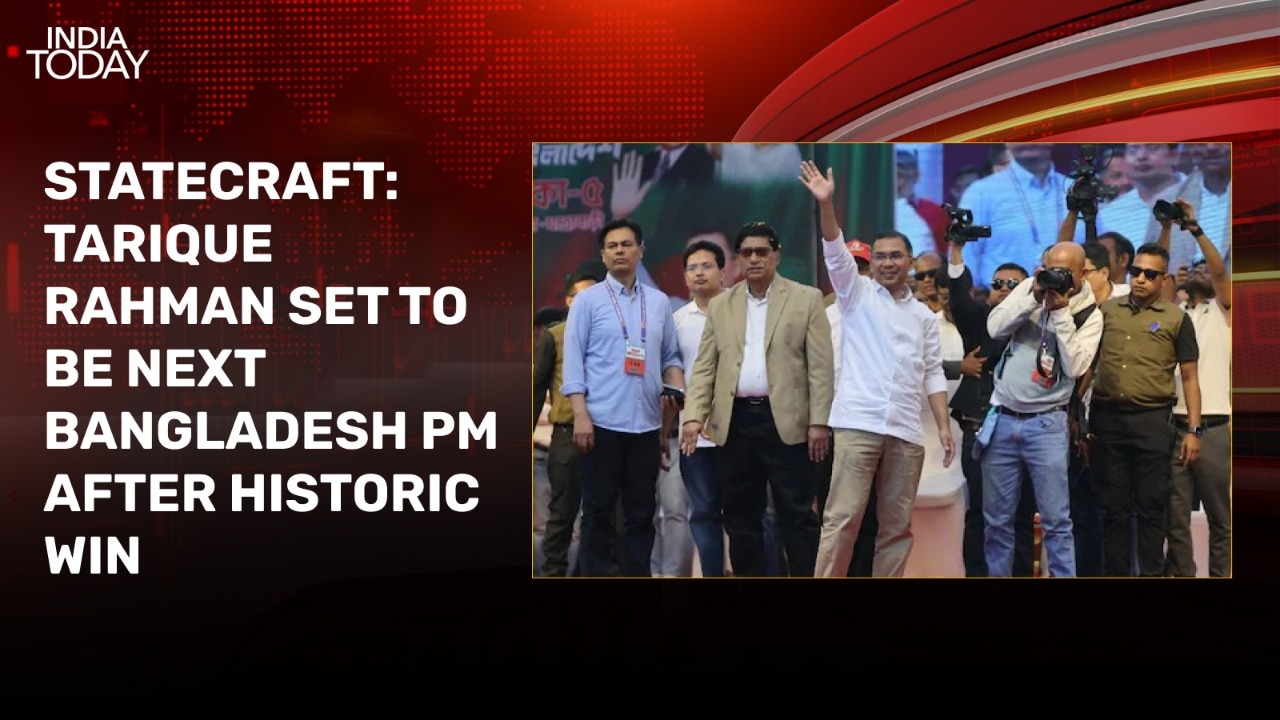
Zia’s passing may now clear the path for a male successor, with her son Tarique Rahman emerging as the BNP’s likely prime ministerial face if the transition unfolds as expected.
For over three decades, Bangladesh’s democracy revolved around this singular axis—Khaleda Zia versus Sheikh Hasina or BNP vs Awami League. Elections, protests, governance, geopolitics, policies and even institutional credibility were filtered through this rivalry.
The ‘Battling Begums’, as they were often called, did not merely alternate power, but monopolised it. Their leadership styles, ideological positions and personal animosities defined the nation’s political rhythm.
Rivalry Rooted in History
What made their rivalry exceptional was not just longevity, but its political-personal totality. Born out of assassinations—Zia’s husband, then President Ziaur Rahman in 1981 and Hasina’s father, Sheikh Mujibur Rahman, in 1975—both women entered politics carrying personal grief that soon hardened into political resolve.
That resolve, over time, turned unforgiving. Governance increasingly gave way to personal vendetta, reconciliation to retaliation. For Bangladesh, this translated into a turbulent and manipulated democracy perpetually mobilised but rarely healed.
The Curtain Falls
Zia’s death does more than end a personal chapter. It effectively closes an era of female prime ministerial dominance that is rare in South Asia. Since 1991, Bangladesh has been governed almost exclusively by two women, a rare anomaly in a region where power remains overwhelmingly male. Strangely, this dominance did not dismantle patriarchy; it entrenched personality politics.
With Sheikh Hasina now pushed into political exile and Khaleda Zia gone, the duopoly that once controlled Dhaka’s corridors of power seems fractured. This moment signals not just leadership change, but a structural reordering. The politics of legacy may finally be forced to confront generational transition.
The only moment of cooperation between the two rivals came before democracy returned, when they unitedly led the mass movement against military ruler Hussain Muhammad Ershad in the late 1980s.
Once power was reclaimed, the unity and the friendship collapsed. What followed was almost a zero-sum politics where defeat meant exile, incarceration or political erasure.
Sons & Succession
Every fall from power came with a familiar pattern—exile or incarceration. Hasina’s son in the United States, Zia’s son in the United Kingdom. Both are described as the ones in self-imposed exile, both were shadowed by corruption cases, both are symbolic of a political culture where leadership vacated the country even as loyalty was demanded from within.
Zia’s death now sharpens the succession debate within the Bangladesh ist Party (BNP). Rahman, long seen as her political heir, is widely expected to emerge as the BNP’s prime ministerial face if the political script unfolds as anticipated.
His return and the spectacle or political frenzy around him signal a gendered shift that is potentially ushering in Bangladesh’s first male prime minister in over three decades.
The question facing Bangladesh is therefore larger than gender. It is whether the country can finally move beyond legacy and inheritance driven politics, or whether it will simply replace the Begums with their bloodlines. The queens may have exited the stage, but the dynasty still waits in the wings.
Location :
Dhaka, Bangladesh
First Published:
December 31, 2025, 09:33 IST
News world End Of The Battling Begums: Bangladesh May Be Headed For A Male Prime Minister After 30 Years
Disclaimer: Comments reflect users’ views, not News18’s. Please keep discussions respectful and constructive. Abusive, defamatory, or illegal comments will be removed. News18 may disable any comment at its discretion. By posting, you agree to our Terms of Use and Privacy Policy.
Read More