1 month ago
Last Updated:January 06, 2026, 18:15 IST
From the Korean War to Cold War, operations in the Gulf, and Afghanistan, the US has a history of using military action to topple leaders as part of its strategic policy

After 9/11, Bush initiated the War in Afghanistan using an Authorisation for Use of Military Force rather than a declaration. (Image: AI image)
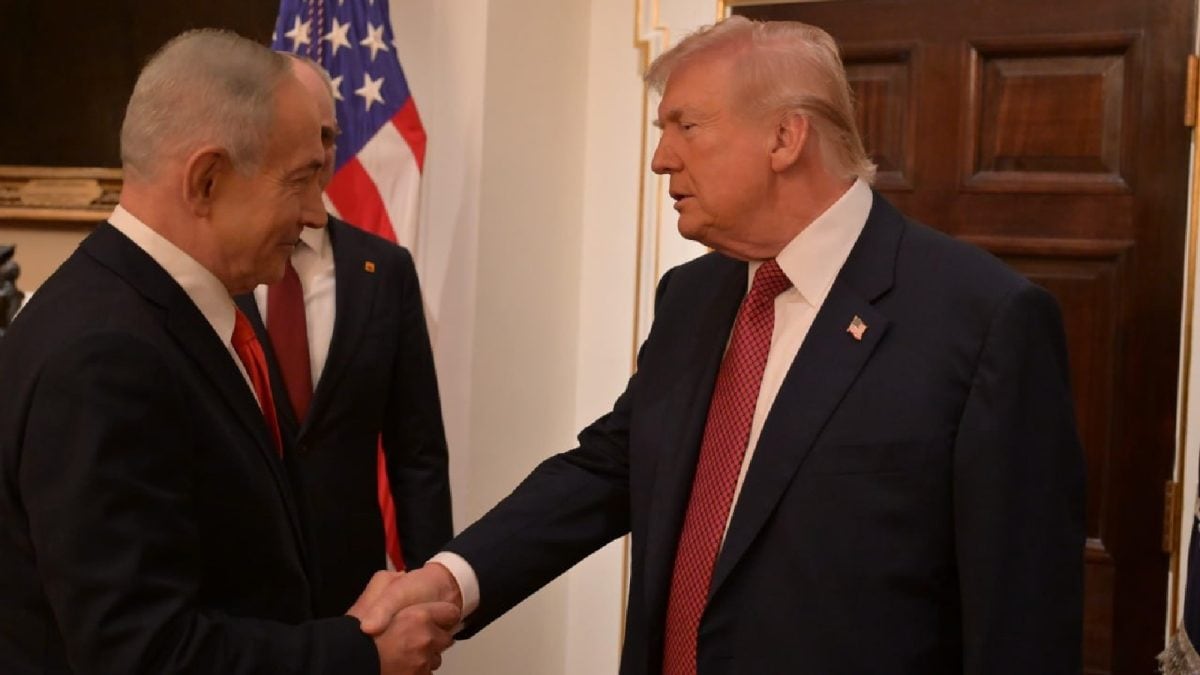
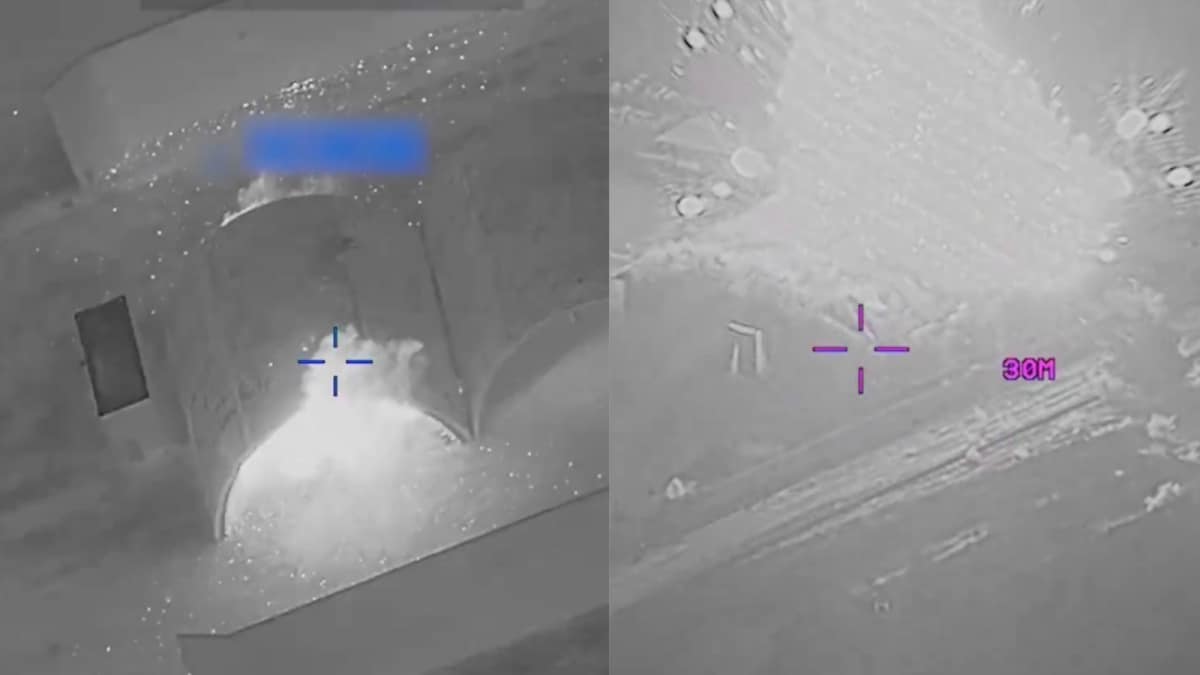
After months of sustained military pressure on Venezuelan president Nicolás Maduro, President Donald Trump authorised a calculated operation in Caracas to seize its leader and transfer him to the United States, where his administration intends to put him on trial. The decision was neither impulsive nor improvised. It followed a steady escalation of sanctions, intelligence activity, and regional signalling that had narrowed Maduro’s room to manoeuvre while testing the limits of international tolerance. When the operation came, it unfolded with speed and precision, leaving little doubt about Washington’s capacity to act unilaterally and without warning.
Washington framed the operation as a demonstration of decisive power, with Trump boasting that the U.S. possessed “capabilities and skills our enemies can scarcely imagine." Across Latin America, the reaction was quiet but anxious. Governments in Colombia and Mexico are also reassessing their security assumptions, while further afield, strategic territories such as Greenland re-entered discussions about American reach and intent.
What many observers recognised, however, was that this was not a sudden shift in U.S. behaviour. It was the latest expression of a long-standing pattern, one in which American presidents increasingly initiate military action not through declared wars, but through executive decisions that reshape global politics in an instant.
How Monroe Doctrine Powers The US Presidents?
To understand how American presidents came to possess the authority to initiate wars far beyond US borders, it is important to recall a speech delivered to Congress in December 1823. The Monroe Doctrine is a US foreign policy principle announced in 1823 by President James Monroe. Simply put, it warned European powers to stay out of the Americas.
At the time, many Latin American nations had recently gained independence from European empires. The US feared that monarchies in Europe might try to reclaim or expand their control in the Western Hemisphere. Monroe’s message was direct: any new European colonisation or political interference in North or South America would be viewed as a hostile act against the United States.
What this really meant was two things. First, the Americas were no longer open territory for European empires. Second, the US promised not to interfere in Europe’s internal affairs or existing colonies. It was framed as mutual non-interference, though the balance of power strongly favoured the US over time.
Initially, the doctrine had limited practical force. The US lacked the military strength to enforce it, and Britain’s navy played a major role in keeping European rivals at bay. Over the 19th century, however, the Monroe Doctrine evolved from a defensive warning into a justification for American dominance in the hemisphere.
In the early 20th century, presidents such as Theodore Roosevelt expanded its meaning. The Roosevelt Corollary claimed the US had the right to intervene in Latin American countries to prevent European involvement. This shift turned the doctrine from a shield against imperialism into a tool for US intervention.
Timeline of Wars by US Presidents
The US Constitution gives Congress the power to declare war, but in reality, American presidents have often been the driving force behind military conflict. Some sought formal declarations while others relied on executive authority, emergency resolutions, or strategic ambiguity. What this really means is that the presidency has steadily accumulated the power to start wars without fully naming them as such.
George Washington (1794)
Washington did not start a foreign war as president, but he set an important standard. During the Whiskey Rebellion (1794), he deployed federal military force under the Militia Act of 1792, against American citizens, establishing presidential authority to deploy troops without declaring war. Washington personally led 13,000 federalized militia troops (a federal military force) into Pennsylvania to suppress the revolution. It was an internal conflict, but it shaped how future presidents would justify force.
James Madison (1812)
Madison became the first president to ask Congress to declare war. The War of 1812 against Britain was driven by maritime disputes and British interference with US trade and sailors. This remains the clearest example of a constitutionally orthodox, president-initiated war.
James K. Polk (1846-1848)
Polk initiated a conflict with Mexico in 1846 after sending troops into disputed territory fulfilling his expansionist “Manifest Destiny" by acquiring vast territories, including California and New Mexico, through the Treaty of Guadalupe Hidalgo, which greatly expanded the U.S. to the Pacific, adding land that became several modern states. Framing Mexico as the aggressor, historians widely agree the war was engineered to expand US territory westward. It was a turning point in presidential war-making tied to expansionism.
William McKinley: The Spanish-American War
McKinley led the US into war with Spain in 1898 after the explosion of the USS Maine. Though Congress declared war, the push came from the White House amid public pressure and media outrage. The conflict marked America’s entry as an imperial power, resulting in control over Puerto Rico, Guam, and the Philippines.
Woodrow Wilson: World War I
Wilson won re-election on a promise to keep the US out of war his campaign slogan being, “He Kept Us Out of War," but the U.S. declared war on Germany in April 1917. He asked Congress for a declaration against Germany following submarine attacks and the Zimmermann Telegram. Wilson’s decision to enter World War I fundamentally changed the scale of presidential authority in foreign affairs.
Harry S. Truman: The Korean War
Truman never sought a declaration of war. Instead, he committed US troops to Korea in 1950 under the banner of a United Nations police action. This was a constitutional shift. From this point on, presidents increasingly treated war as an executive decision rather than a legislative one.
Lyndon B. Johnson: Vietnam
Johnson transformed a limited advisory mission into a full-scale war using the Gulf of Tonkin Resolution, not a declaration of war. The resolution gave him open-ended authority and became a cautionary example of how easily presidents could escalate conflict without formal accountability.
Ronald Reagan: Cold War interventions
Reagan did not declare war, but he initiated military actions in Grenada (1983) and Libya (1986) without congressional approval. These operations reinforced the idea that short, decisive uses of force fell entirely within presidential power.
George H. W. Bush: The Gulf War
Bush sought and received congressional authorisation before launching Operation Desert Storm in 1991. While technically authorised, the decision to go to war was firmly executive-led and framed around restoring international order after Iraq invaded Kuwait.
George W. Bush: The War on Terror
After 9/11, Bush initiated the War in Afghanistan using an Authorisation for Use of Military Force rather than a declaration. Two years later, he launched the Iraq War, citing weapons of mass destruction that were never found. These decisions reshaped global geopolitics and entrenched the concept of perpetual war.
Barack Obama: Limited wars, expanded reach
Obama did not start a declared war, but he initiated military action in Libya in 2011 without congressional approval. He also dramatically expanded drone warfare across multiple countries. The scale was quieter, but the presidential authority to kill without war declarations widened further.
Donald Trump: Undeclared conflict as policy
During Trump’s first term, no new declared war was launched, but he authorised significant escalations. These included missile strikes in Syria, the killing of Iranian general Qassem Soleimani, and expanded operations in Yemen, Somalia, and Afghanistan. Trump leaned heavily on inherited authorisations, showing how older war powers could be reused indefinitely.
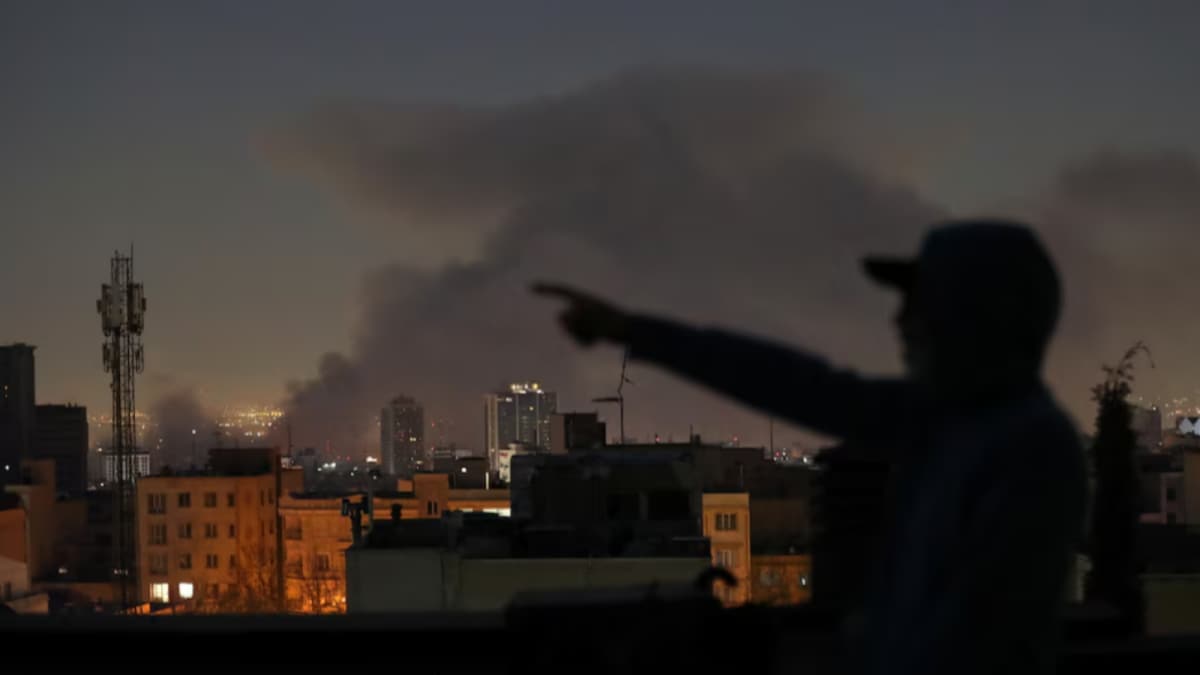
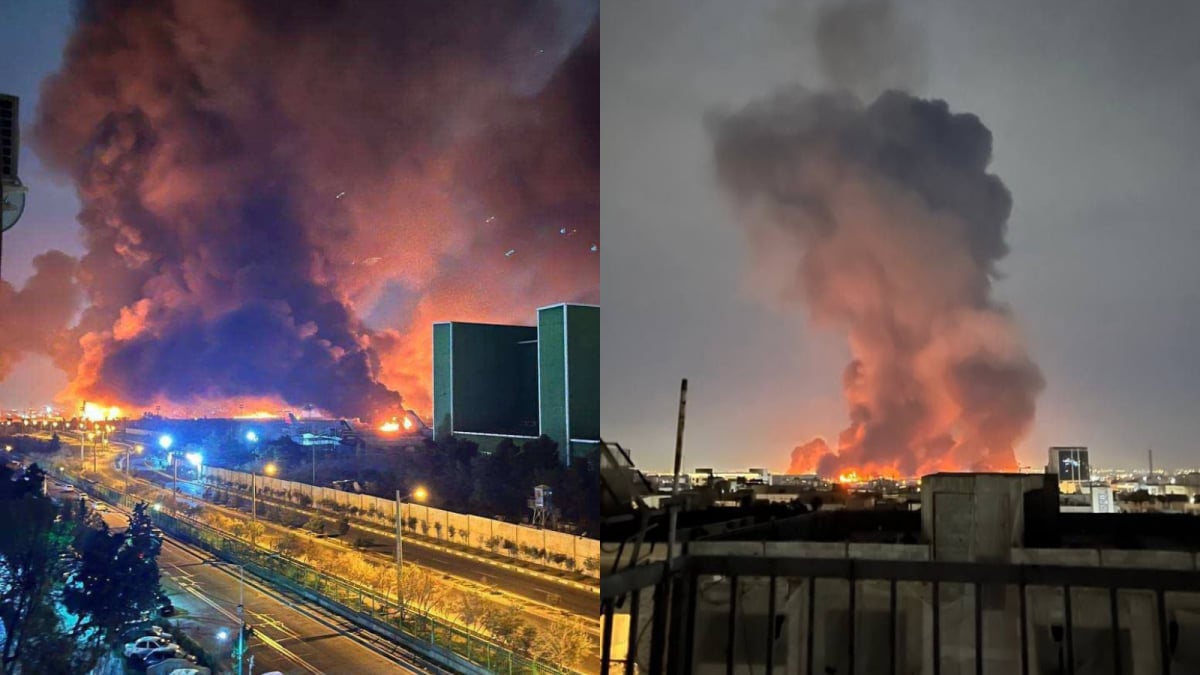
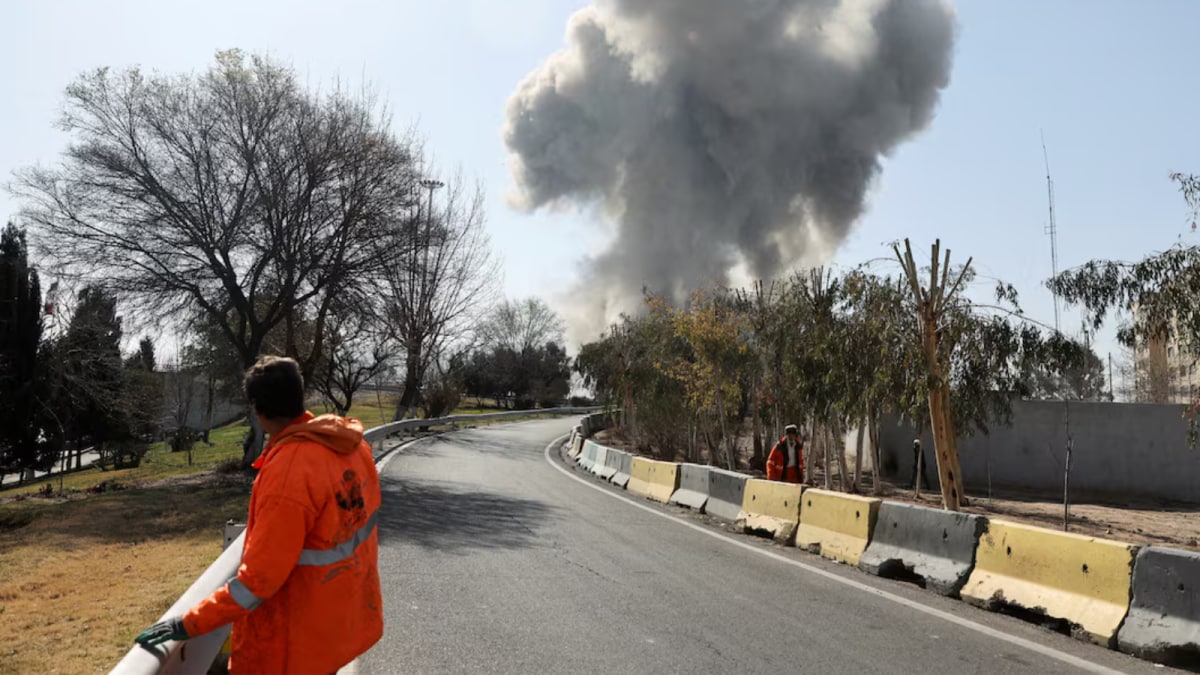
In Trump’s current and second term as the president of the United States, apart from the latest Venezuelan military operation and abduction of Nicolás Maduro, he has authorized significant military actions, including strikes against Iran amid the Iran-Israel war and a bombing campaign against Yemen’s Houthis.
First Published:
January 06, 2026, 16:13 IST
News world From Iraq To Venezuela, What You Should Know About The Recurring War Strategy Of US Presidents
Disclaimer: Comments reflect users’ views, not News18’s. Please keep discussions respectful and constructive. Abusive, defamatory, or illegal comments will be removed. News18 may disable any comment at its discretion. By posting, you agree to our Terms of Use and Privacy Policy.

Stay Ahead, Read Faster
Scan the QR code to download the News18 app and enjoy a seamless news experience anytime, anywhere.