 1 hour ago
G20 foreign ministers ended their Atlanta talks without a joint communique. The deadlock exposed deep divisions over Ukraine, Iran, trade and maritime security.
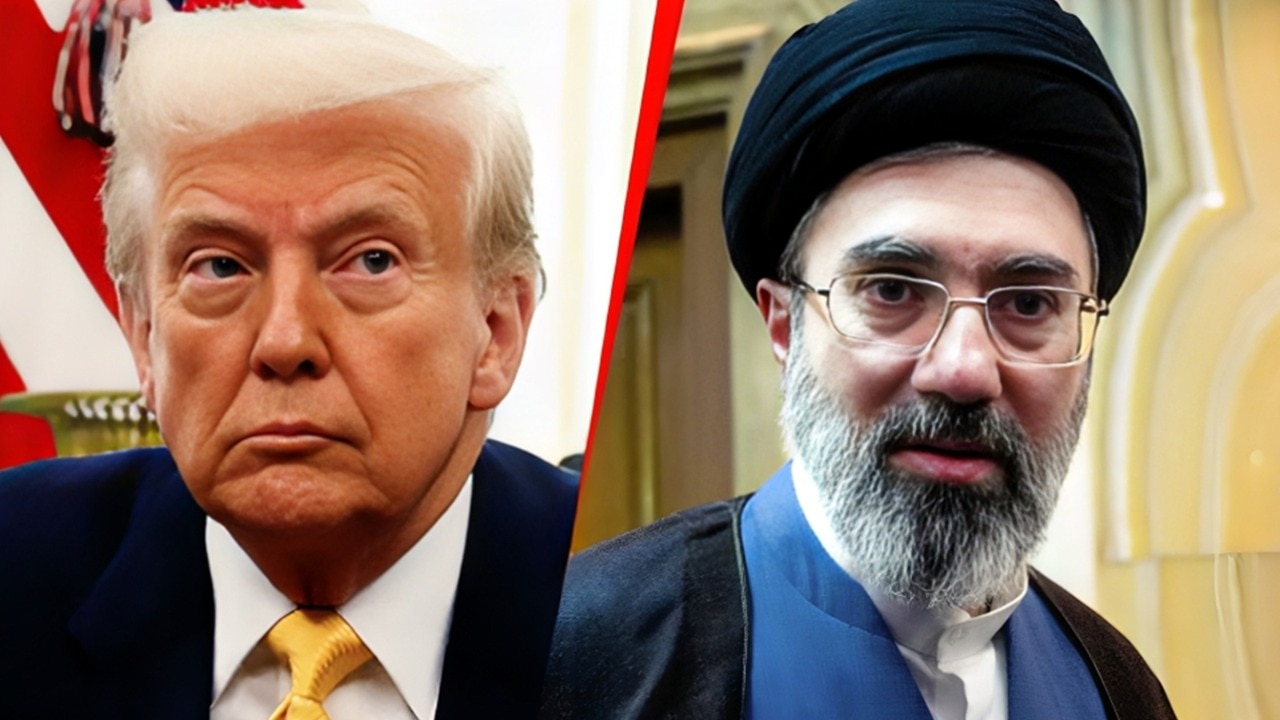
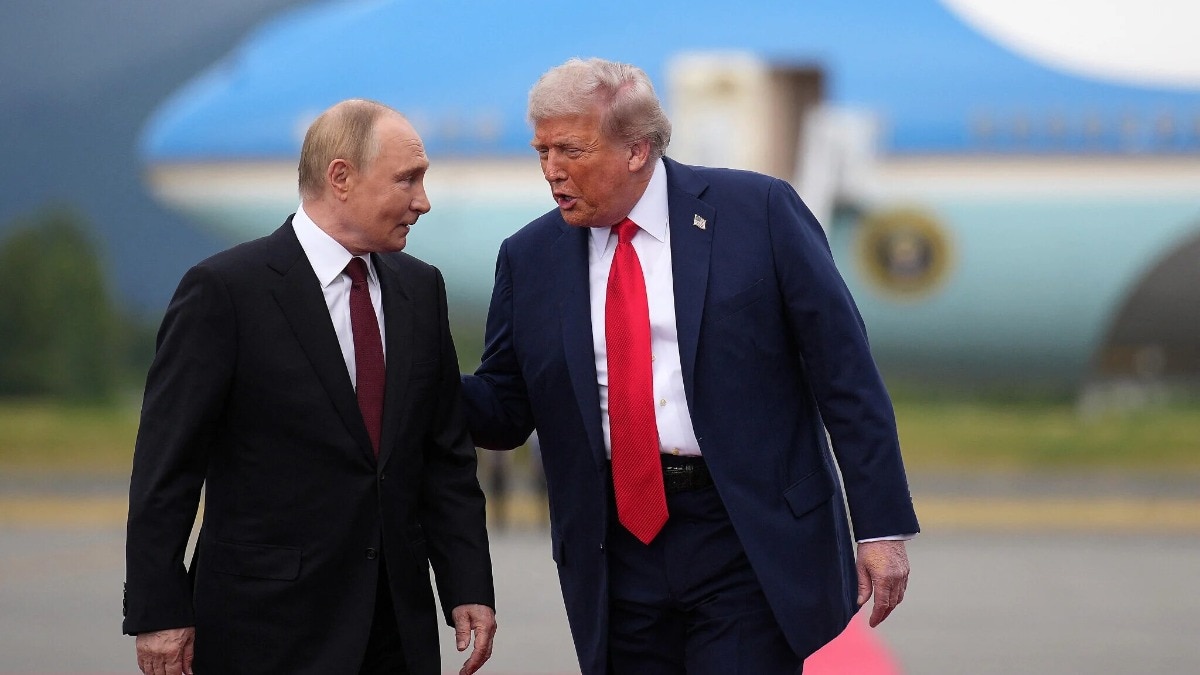
Stock photo used for illustration
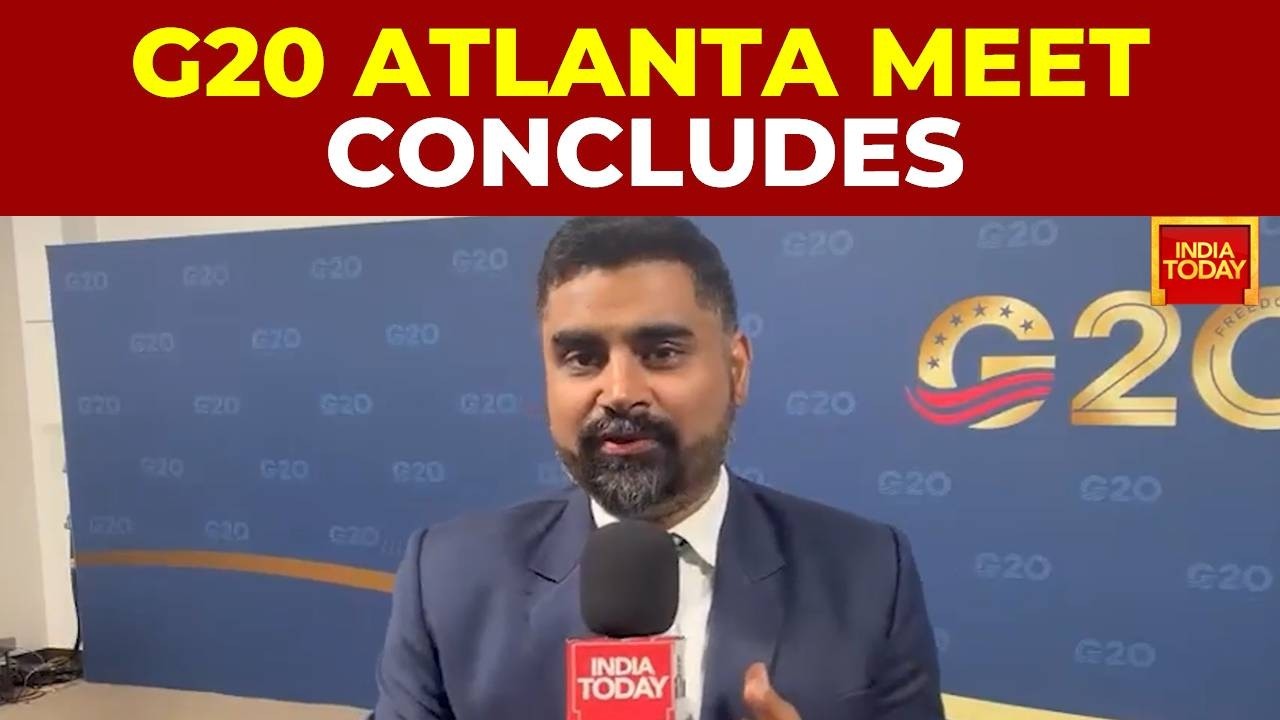
Foreign ministers from the Group of 20 major economies ended two days of talks without reaching a consensus on several global security issues, with divisions over Russia's war in Ukraine affecting the meeting's outcome, news agency Press Trust of India reported.
The group did not issue a joint communique after the talks in Atlanta. Instead, US Secretary of State Marco Rubio released a chairman's statement listing priorities such as energy and food security and freedom of navigation, but it did not mention any agreements.
"I wouldn't pretend to you today that we are close to finding universally accepted solutions to these problems," Rubio told reporters after the meetings. "But I do think that among the G20 represented here are countries that are working together to solve some of them, particularly in the realm of supply chains and critical minerals."
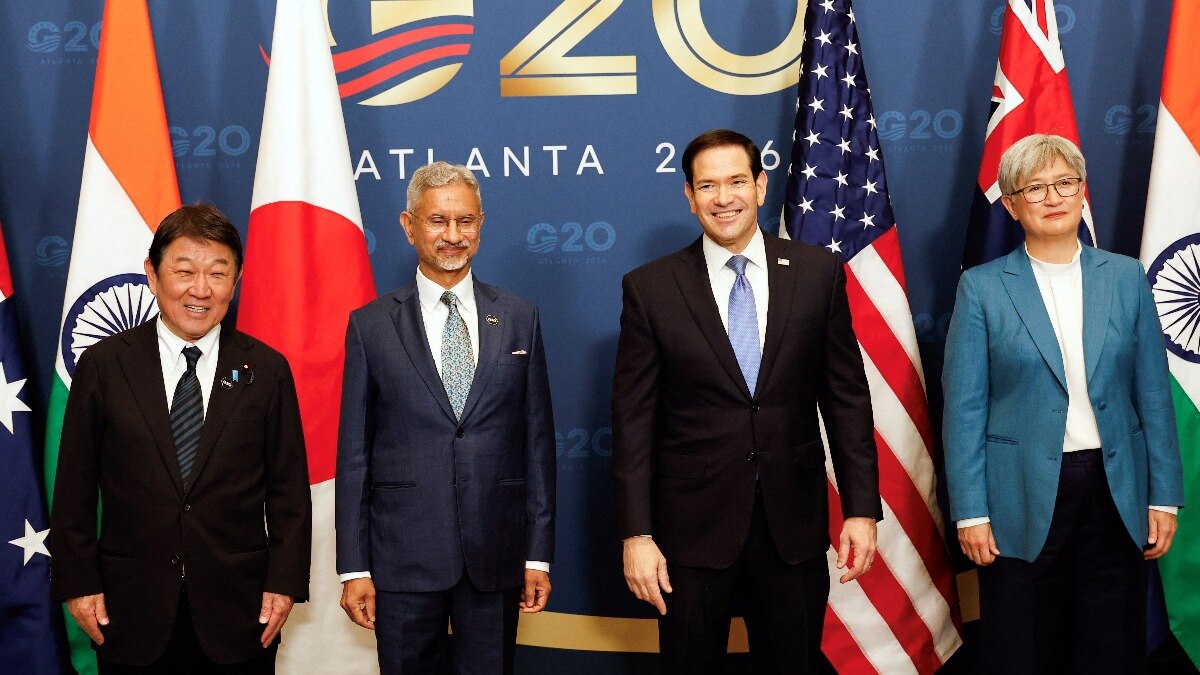
Rubio had described the first day of talks as "very productive". On Saturday, he held separate meetings with his counterparts from Australia, India and Japan before leading the final G20 session, which focused on freedom of navigation in the Strait of Hormuz and the Red, Black and South China seas.
"I made clear to our partners that secure supply chains are essential for growth," Rubio said in a post on X. "Critical trade routes including the Strait of Hormuz and Bab al-Mandeb Strait must remain secure and open to commerce. And we must continue to strengthen and expand critical mineral supply chains to protect our future."
At a reception for G20 participants on Friday night, Rubio had sounded optimistic. "Together, I think that we are mapping a vibrant, dynamic, and bold economic future, one that will pioneer new horizons for the entire world," he said.
Rubio opened the talks on Friday with an appeal for unity but later cancelled the traditional group photograph of foreign ministers. European diplomats objected to the inclusion of Russian Foreign Minister Sergey Lavrov and threatened to boycott the photograph or walk out.
Polish Foreign Minister Radoslaw Sikorski, who represented his country for the first time as a guest at a G20 meeting, said he was not surprised that the group had failed to reach a consensus. "We have wars going on, and we have participants in those wars around the table, so it's very difficult to agree on a common line," he said.
Participants who spoke on condition of anonymity because they were not authorised to discuss the private talks told Press Trust of India that all sides had agreed to try to overcome their differences and work towards making next month's G20 leaders' summit in Florida, hosted by US President Donald Trump, a success.
The diplomats said issuing a chairman's statement had long been the plan because of deep differences over the Russia-Ukraine war, the US-Israeli war against Iran, US tariffs and China's actions in the South China Sea. These issues have contributed to higher global fuel costs and uncertainty over trade.
They described the opening session as cordial but said Russia remained firm on Ukraine and opposed Poland's membership in the G20. Differences also emerged over the Trump administration's decision not to invite G20 member South Africa despite objections from other countries.
Disagreements were also visible among partners within the group. A joint statement issued after Rubio's talks with ministers from Australia, India and Japan referred six times to the importance of "Super Intelligence" in driving economic growth. Footnotes clarified that Australia, India and Japan use the term "artificial intelligence" instead.
Trump renamed artificial intelligence as "Super Intelligence" at the United Nations General Assembly in September, saying the original phrase sounded fake, and directed the US government to use the new term. No other country has taken such a step.
Before the meeting, some G20 countries had raised concerns over the US invitation to Russia amid intensified attacks on Ukraine. The concerns came after Trump held off on fresh sanctions against Moscow and temporarily restricted logistical and intelligence assistance to Ukraine. However, the US State Department announced on Friday that it had approved a proposed USD 2.1 billion sale of Patriot air defence interceptors to Ukraine.
Rubio defended the invitations to Lavrov for the Atlanta meeting and Russian President Vladimir Putin for the leaders' summit, saying the crisis could not be resolved peacefully without speaking to both sides. However, he offered a cautious assessment of the situation.
"I don't know if negotiated peace is achievable in Ukraine," Rubio said on Saturday. "That's what we're trying to find out, but I don't think anyone here is claiming that we're on the verge of a negotiated settlement."
Lavrov said Moscow would not allow Ukraine to pose a "military threat to legitimate security interests of the Russian Federation". He has travelled infrequently to NATO member countries since Russia invaded Ukraine in February 2022 and severe sanctions were imposed on Moscow. It remains unclear whether Putin will accept Trump's invitation to attend the summit at his Miami golf club in December.
The possibility of fresh US military intervention in Iran also overshadowed the G20 talks and caused concern in the region, including in G20 member Saudi Arabia. Rubio met Saudi Foreign Minister Prince Faisal bin Farhan and Turkish Foreign Minister Hakan Fidan on Friday. Turkey has played a key role as a mediator.
The Atlanta talks ultimately ended without a joint agreement, reflecting continuing divisions over Ukraine, Iran, trade and maritime security, while members agreed to keep working towards the G20 leaders' summit in Florida.
With PTI Inputs
- Ends