 1 month ago
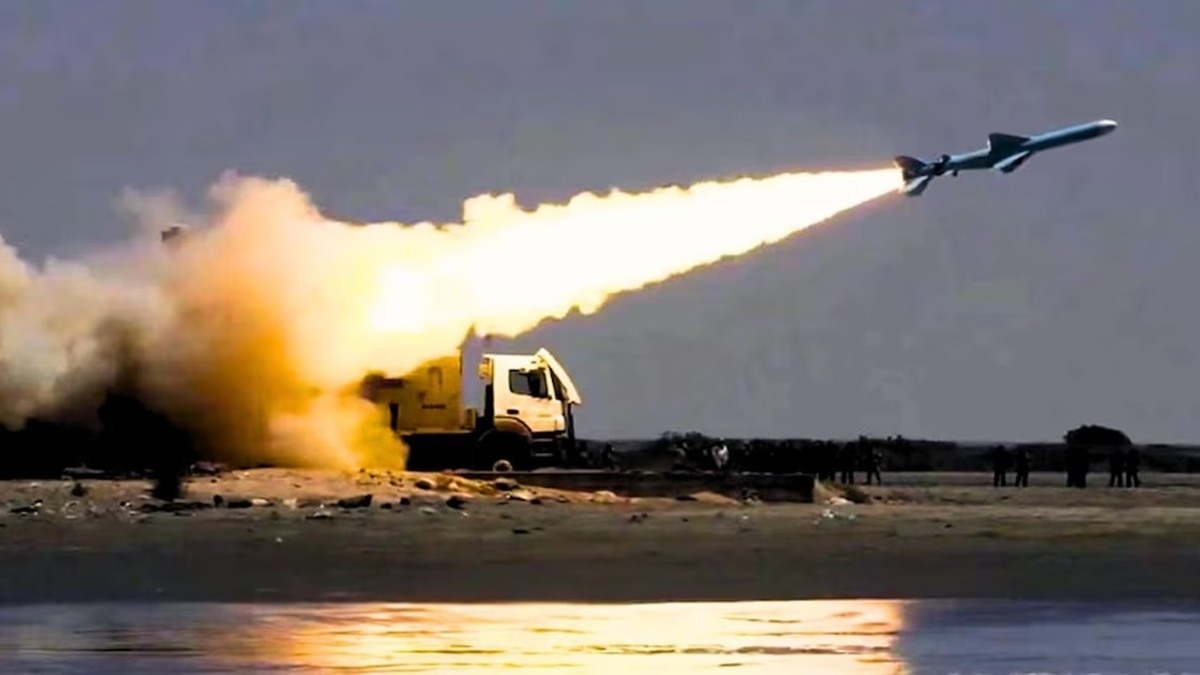
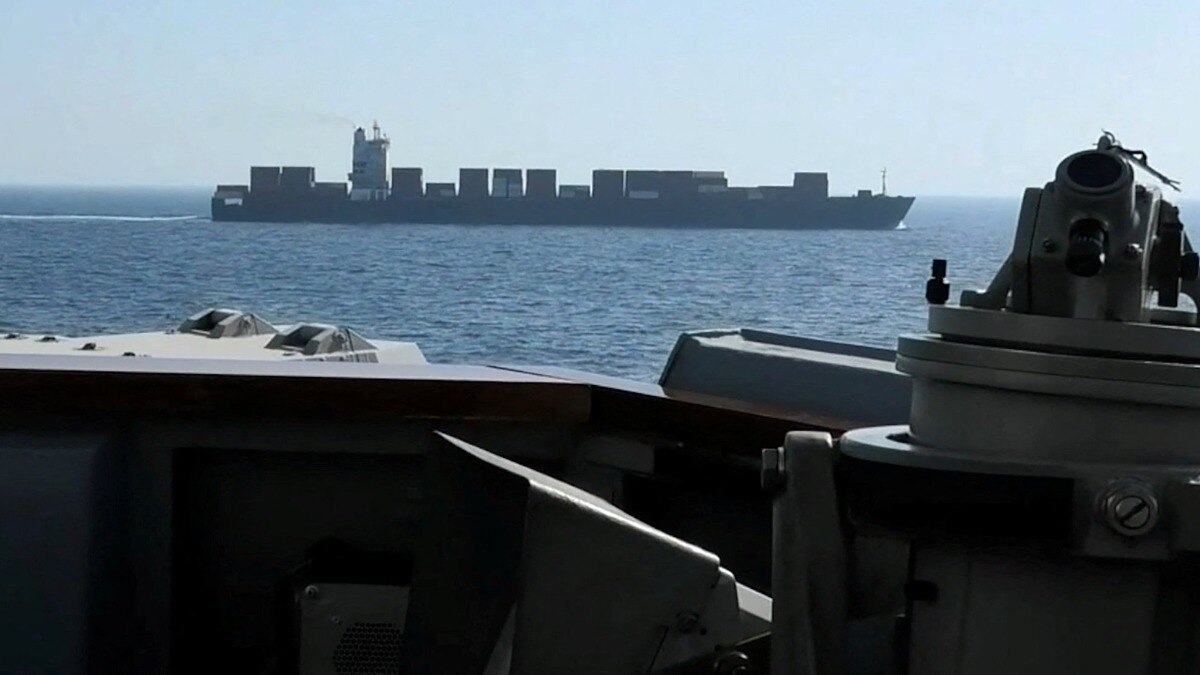
Iran has effectively restricted access to the passage in recent weeks, disrupting global energy flows and contributing to a sharp spike in oil prices. The United States has made reopening the strait a top priority, viewing uninterrupted transit as essential to global economic stability.
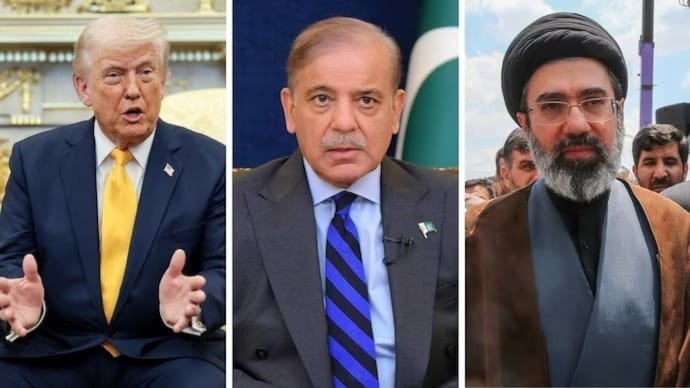
The Strait of Hormuz has become the decisive leverage point in the negotiations.
Negotiations between the United States and Iran in Islamabad have entered a critical phase, with control of the Strait of Hormuz emerging as the central point of contention, overshadowing efforts to stabilise a fragile ceasefire after weeks of conflict.
A third round of talks is ongoing in Islamabad, but officials on both sides indicate the gap remains wide, with Tehran resisting what it calls excessive demands while Washington pushes for immediate restoration of global shipping through the vital waterway.
OIL LIFELINE AT THE CENTRE OF DISPUTE
The Strait of Hormuz, through which nearly a fifth of the world’s oil supply passes, has become the decisive leverage point in the negotiations.
Iran has effectively restricted access to the passage in recent weeks, disrupting global energy flows and contributing to a sharp spike in oil prices. The United States has made reopening the strait a top priority, viewing uninterrupted transit as essential to global economic stability.
Tehran, however, is seeking to turn its control into bargaining power. Iranian officials are demanding access to frozen assets held abroad, war reparations, and a broader regional ceasefire that extends to Lebanon.
CLASHING NARRATIVES OVER MILITARY ACTIVITY
Tensions have been further inflamed by conflicting claims over activity in the strait.
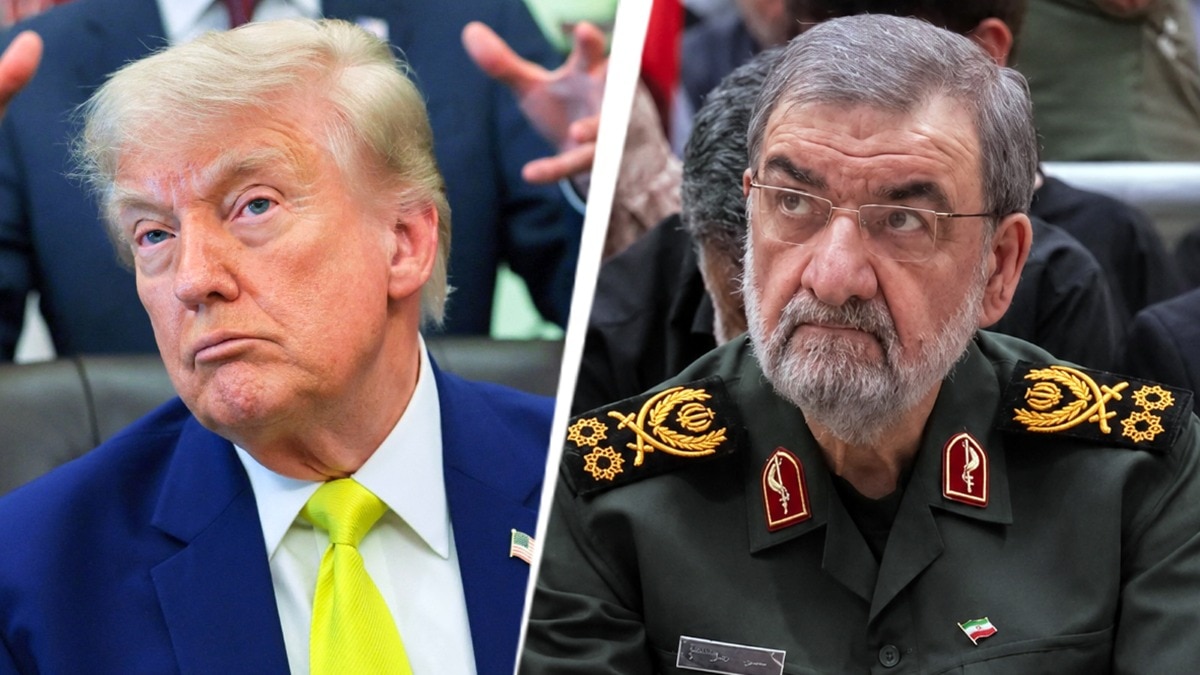
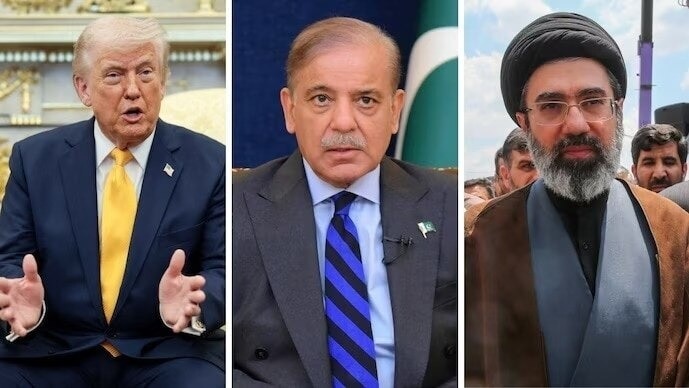
US President Donald Trump said American forces have begun operations to “clear out” the waterway, with US officials indicating naval deployments are underway and preparations in place to neutralise maritime threats.
Iran has flatly rejected those assertions, with state media insisting no US vessels have crossed into the strategic passage — underscoring the deep mistrust shaping the talks.
Washington’s broader objective remains securing free navigation through Hormuz while also pressing Iran to curb its nuclear enrichment programme.
FIRST HIGH-LEVEL CONTACT IN YEARS
The Islamabad negotiations mark the most significant direct engagement between the two sides in over a decade.
The US delegation, led by Vice President JD Vance, includes envoy Steve Witkoff and senior adviser Jared Kushner. They held initial discussions with Iranian Parliament Speaker Mohammad Bagher Qalibaf and Foreign Minister Abbas Araqchi.
Pakistan has positioned itself as a mediator, providing a neutral venue for talks aimed at preventing a wider regional escalation.
UNEVEN TONE AND DEEP MISTRUST
Officials familiar with the discussions described a volatile atmosphere in the first round.
“There were mood swings from the two sides and the temperature went up and down,” Reuters quoted a Pakistani source saying, reflecting the fragile nature of the dialogue.
Confusion over preliminary understandings has further exposed the trust deficit. Iranian sources claimed the United States had agreed to release frozen assets held in foreign banks, including in Qatar, a claim swiftly denied by American officials.
WAR'S HUMAN TOLL SHADOWS DIPLOMACY
The talks are unfolding against the backdrop of heavy human losses.
The Iranian delegation arrived in mourning attire, carrying personal belongings said to belong to students killed in a US strike near a military site — a symbolic gesture highlighting the emotional and political weight behind Tehran’s negotiating position.
REGIONAL TENSIONS COMPLICATE PROGRESS
Efforts to stabilise the ceasefire are also being strained by continued Israeli military operations against Hezbollah in Lebanon, an Iran-backed group.
Israel has signalled its campaign operates outside the US–Iran ceasefire framework, adding another layer of complexity to already delicate negotiations.
HIGH STAKES, NARROW PATH FORWARD
Despite ongoing engagement, the standoff over Hormuz remains the central obstacle.
With neither side willing to cede control of one of the world’s most critical energy corridors, the outcome of the talks could determine not only the durability of the ceasefire but also the stability of global oil markets in the weeks ahead.
- Ends
Published By:
Nitish Singh
Published On:
Apr 12, 2026 03:05 IST
Tune In