4 weeks ago
After years of Saudi, US and allied air raids, Yemen's Houthis are pushing towards Bab el-Mandeb and striking regional targets. Their resilience reflects Iranian support, homegrown weapons production and the weakness of divided anti-Houthi forces.
Image used for representational purposes only

Cairo,UPDATED: Sep 16, 2026 11:24 IST
Repeated air raids by Saudi Arabia, the United Arab Emirates, the United States, Britain and Israel over the past decade have failed to weaken Yemen's Houthi rebels in any lasting way. Instead, the Iran-backed group has emerged stronger and is now advancing towards the Bab el-Mandeb, a key maritime chokepoint, while also striking Saudi oil facilities and unsettling world markets.
There are few obvious options left that have not already been tried. The Houthis operate across a large, mountainous area where they can disperse fighters and military infrastructure, while retaining the ability to threaten major oil facilities and key trade routes. UN and other experts say Iran and its allies in Lebanon and Iraq have provided expertise, training and sophisticated weapons, while the Houthis' hard-line ideology has added to their staying power.
"They are the most committed, the most ideologically pure and the most aggressive" of Iran's regional allies, said Michael Knights, head of research at Horizon Engage, a New York-based strategic advisory. "They've been developed by the Iranians in a fast-track way. Things that took the Lebanese Hezbollah 20 years to develop, the Houthis have developed in five."
The Houthis have a wide range of ballistic missiles, cruise missiles and drones, many resembling Iranian models, that can reach all Gulf states as well as Israel. They have also used sophisticated anti-ship missiles and naval drones against vessels in the Red Sea, threatening a critical trade route. Iran denies arming the Houthis, which would violate a UN embargo, but smuggled Iranian weapons and parts have been seized from numerous shipments bound for Yemen. A 2024 report by UN experts documented extensive military ties between the Houthis, Iran and its other allies, and estimated that the Houthis had recruited up to 350,000 fighters by 2024, up from 30,000 in 2015.
The report said the Houthis can use relatively inexpensive drones and missiles to target oil and other infrastructure just across the Saudi border, as well as tankers off the coast. While Iran is believed to supply advanced components such as guidance systems, the Houthis can manufacture much of their weaponry domestically. Saudi Arabia has an array of US-supplied weapons, including sophisticated aircraft and advanced missile defences used against Iran at the height of the war last spring. But with supplies of high-end interceptors under pressure, it is unclear how long Riyadh can hold back attacks not only from the Houthis, but also from Iran-backed militias in Iraq that were blamed for an attack that shut down an east-west pipeline crucial for oil exports.
Saudi Arabia entered the war against the Houthis in early 2015 after the rebels seized much of northern and central Yemen, including the capital Sanaa, from Yemen's internationally recognised government. The Saudis feared the rise of a well-armed Iranian proxy on their border. Over the next seven years, Saudi Arabia carried out waves of airstrikes against the Houthis, often killing civilians. Yemeni government forces and southern separatists struggled to push the Houthis back, and the front lines shifted little before a 2022 ceasefire.
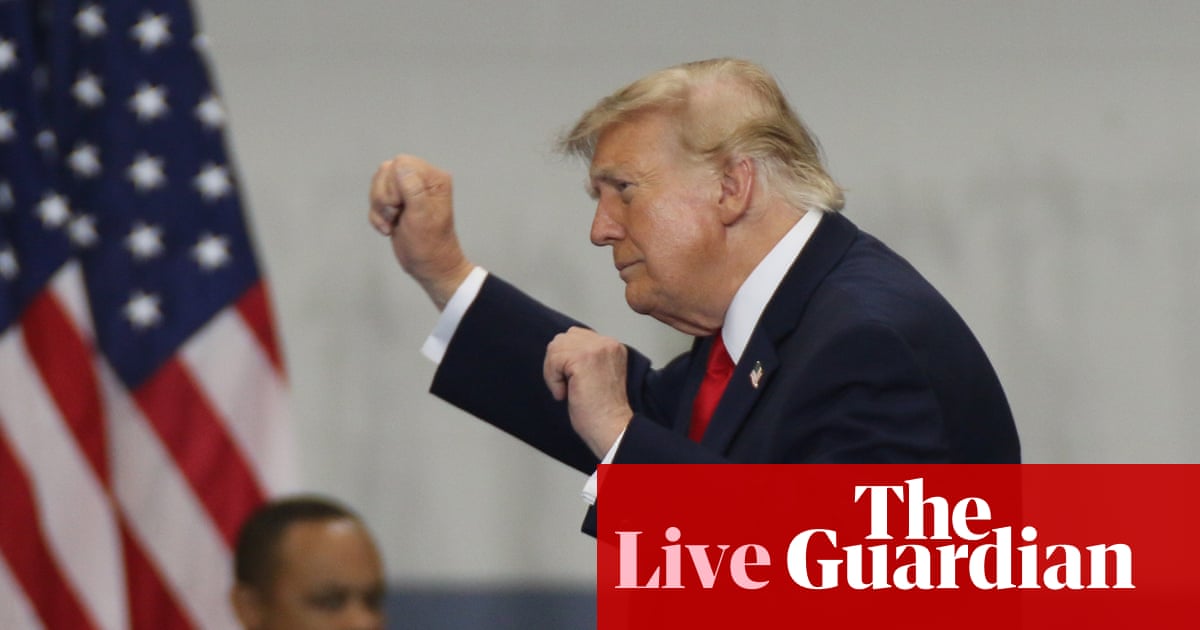
After the outbreak of the war in Gaza in 2023, the Houthis began attacking Red Sea shipping in what they said was a blockade of Israel. The US and the UK launched waves of strikes beginning in January 2024. The following year, US President Donald Trump ordered an intensified air campaign, with around 2,000 munitions dropped on more than 1,000 targets, according to a US military official quoted by The Associated Press at the time. The cost of the US munitions alone was more than USD 750 million. The Houthis also destroyed seven US MQ-9 Reaper drones, each costing more than USD 30 million, while an F/A-18 fighter jet worth more than USD 60 million slid off an aircraft carrier.
After weeks of US strikes, the Houthis agreed to stop attacking American ships. However, they continued to target Israel, which responded with its own strikes later in 2025, killing the Houthi prime minister and other senior officials and repeatedly hitting a key port. The Houthis stayed largely on the sidelines in the first several months of the Iran war, but in July they resumed attacks on Saudi Arabia and declared a blockade on Saudi shipping.
Analysts say any lasting defeat of the Houthis would require ground forces, because air power alone is rarely effective without troops to move in and seize territory. In Yemen, the forces opposed to the Houthis are deeply divided and were fighting each other as recently as January. They include fighters loyal to the Saudi-backed government and southern separatists backed by the UAE, which withdrew from Yemen in 2019 and has at times been at odds with Saudi Arabia.
"Half of the story is Iranian support, and this is extremely important ... but there's another half of the story, which is the weakness of their adversaries," said Thomas Juneau, a professor of international affairs at the University of Ottawa who specialises in Iran and Yemen. "(Yemen's) internationally recognised government is fragmented, it's weak, it's disunited, it's corrupt, and the Houthis have systematically been able to exploit that," he said.
In recent weeks, anti-Houthi forces have retreated from one position after another as the rebels have advanced towards the Bab el-Mandeb, the narrow strait between the Red Sea and the Gulf of Aden. Saudi Arabia appears reluctant to enter another full-scale war, given the prospect of prolonged fighting and high casualties. The US, still preoccupied with Iran, also appears keen to stay out. A Saudi mutual defence pact with Turkey and Pakistan signed last month has not yet been activated. Diplomatic options are limited as well, with the Houthis demanding that Saudi Arabia lift its blockade, a step that would amount to an admission of defeat and could open the way for even greater Iranian aid.
"As long as US-Iran tensions are not resolved, there will not be significant progress between Saudi Arabia and Iran," Juneau said. "The Houthis are in a very intransigent mood right now, and they are absolutely not ready to make any kind of concessions." Taken together, the military stalemate, the weakness of anti-Houthi forces and the limited diplomatic space underline why the Houthis remain difficult to contain despite years of airstrikes.
With PTI Inputs
- Ends
Published By:
India Today Web Desk
Published On:
Sep 16, 2026 11:24 IST