1 month ago
The CIA monitored Ayatollah Ali Khamenei and other senior Iranian leaders for months, sharing intelligence with Israel that helped time the US-Israeli strike that ultimately killed Iran's Supreme Leader.
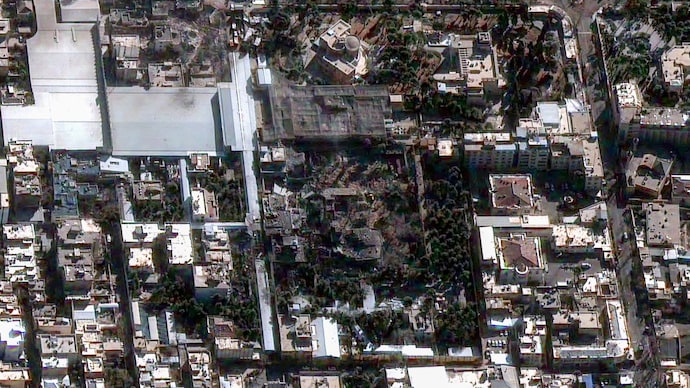
Satellite photo showing charred remains of late Iranian Supreme Leader Ali Khamenei's residence. (Photo: Vantor via Reuters)

New Delhi,UPDATED: Mar 2, 2026 05:40 IST
The Central Intelligence Agency (CIA) monitored the movements of Iran’s top leadership for months before the US and Israel launched the strikes that killed Supreme Leader Ayatollah Ali Khamenei.
"The CIA tracked the movements of senior Iranian leaders, including Supreme Leader Ayatollah Ali Khamenei, for months before this weekend’s US-Israeli strikes," a person familiar with the operation told the Associated Press (AP).
Intelligence gathered by US agencies was shared with Israeli officials and helped shape the timing of the coordinated bombardment, the source said. The New York Times earlier reported on US intelligence efforts leading up to the operation.
A RARE OPENING
According to CNN, US and Israeli intelligence officials had closely studied Khamenei's daily routines — "where he lived, whom he met with, how he communicated and where he might retreat under threat of attack." Reportedly, they were also tracking other senior political and military leaders who rarely assembled in one place with the 86-year-old cleric.
That opportunity emerged over the weekend.
Top Iranian officials, including Khamenei, were scheduled to meet on Saturday morning at separate sites within a Tehran compound housing the offices of the supreme leader, the presidency and national security apparatus, CNN reported. An Israeli source told the network that Khamenei felt less vulnerable during daylight hours.
It was an opening some American and Israeli officials were convinced was too good to pass up, CNN said in its report.
Plans for a night assault were adjusted to a daytime strike, the news outlet's sources said. Around 6 am in Israel, fighter jets launched highly precise munitions at the compound in what became the opening salvo of a coordinated US-Israeli operation, CNN said in its report.
An unnamed Israeli military official told AP that the airstrikes targeted three locations, all within 60 seconds of one another, killing Iran’s supreme leader and some 40 senior officials, including the head of Iran’s Revolutionary Guard. He said that striking in broad daylight added an element of surprise.
The official said Israel and the US agreed that striking the leadership was the best way to open the operation. Otherwise, he said they would quickly disperse and go into hiding once the attacks began. "We had a great opportunity, great intel, great execution," he said.
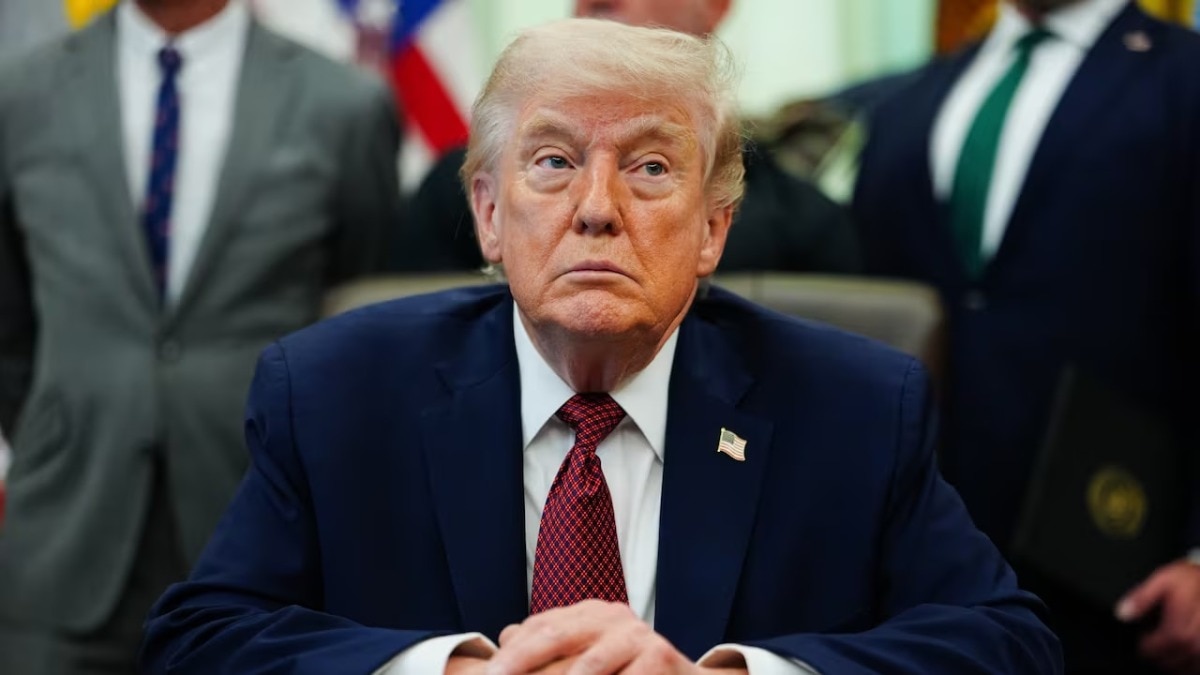
Hours later, US President Donald Trump announced Khamenei's death, writing that the Iranian leader "was unable to avoid our Intelligence and Highly Sophisticated Tracking Systems."
ESCALATION AND FALLOUT
The strikes dramatically escalated the conflict. Iranian authorities said more than 200 people have been killed since the bombardment began. Iran retaliated with missile and drone attacks targeting Israel and Gulf states hosting US forces.
The US military confirmed three American service members were killed and five seriously wounded — the first confirmed US casualties in the conflict.
Khamenei, Iran’s supreme leader since 1989, held ultimate authority over military and foreign policy decisions. His death leaves a power vacuum that analysts warn could further destabilise an already volatile region.
The conflict has disrupted air travel across the Middle East and heightened concerns over global energy supplies, particularly the Strait of Hormuz, through which roughly one-fifth of the world’s traded oil passes.
- Ends
(With inputs from agencies)
Published On:
Mar 2, 2026 05:40 IST