 4 weeks ago
At a House subcommittee hearing on South and Central Asia on Wednesday, Republican Congressman Keith Self voiced concern that ongoing Russian oil exports were continuing to bankroll Moscow's war against Ukraine.
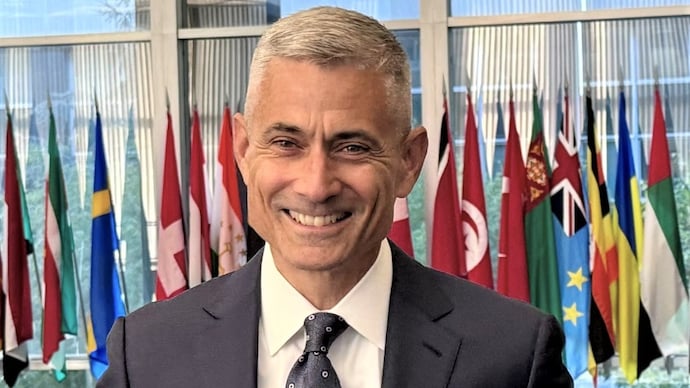
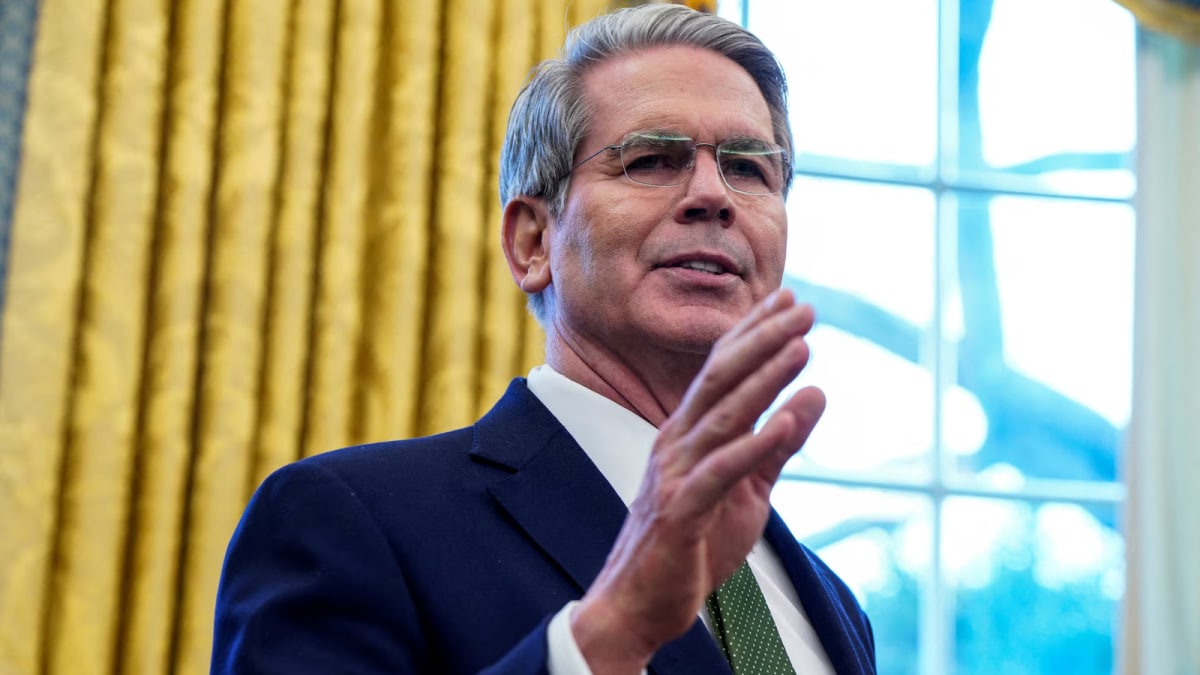
Assistant Secretary of State for South and Central Asian Affairs Paul Kapur. (File photo: X)

New Delhi,UPDATED: Feb 12, 2026 12:49 IST
Questions over how Washington plans to track and enforce limits on India's Russian oil imports surfaced during a US House subcommittee hearing, exposing gaps in clarity even as the State Department claimed New Delhi is cutting back.
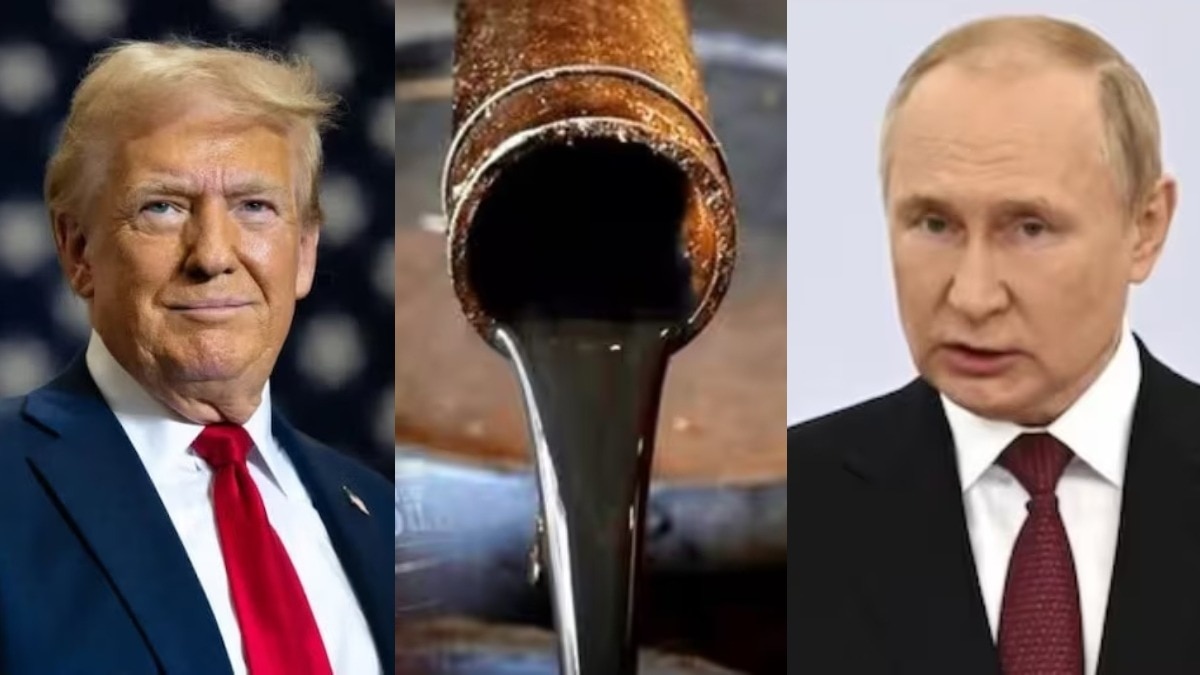
At a hearing on South and Central Asia, Republican Congressman Keith Self pressed the Trump administration on whether Russian energy revenues were still indirectly financing the war in Ukraine through continued trade with India.
"The sale of Russian oil continues to fund the Ukraine war," Self said, asking how the United States would verify if India had indeed scaled down purchases.
"How are you going to enforce or measure if India has stopped buying Russian oil?" he asked, pointing to opaque trading practices. Self specifically referred to third-party traders, blended cargoes, ship-to-ship transfers and so-called "ghost ships", mechanisms often used to mask the origin of crude.
Responding to the concerns, Assistant Secretary of State for South and Central Asian Affairs Paul Kapur acknowledged he did not have operational details on enforcement.
"I don't know the details of how that's going to be worked out. I'm happy to stay in touch with you about it," Kapur said.
Even so, Kapur maintained that India has been "gradually shifting its sourcing strategy".
"The Indians have been reducing their purchases of Russian oil and diversifying away, which is what we wanted them to do. India has increased imports of US energy," he told lawmakers.
Kapur suggested that replacing Russian crude with American supplies could offer a viable pathway forward, alongside sourcing from other global producers.
Self, however, warned that sanctions enforcement could be undermined by indirect trade flows. He cited reports alleging that Russia sold energy to India, which was then exported onward to Europe, potentially diluting the intended impact of Western restrictions.
Since Russia's invasion of Ukraine in 2022, the US and its allies have imposed sweeping sanctions targeting Moscow's energy revenues. India, citing energy security needs, ramped up purchases of discounted Russian crude in the early phase of the war. The move drew sustained diplomatic pressure from Washington and European capitals urging diversification.
Kapur did not provide specific figures during the hearing but framed India's evolving import mix as broadly aligned with US objectives.
- Ends
Published By:
Sahil Sinha
Published On:
Feb 12, 2026