 1 month ago
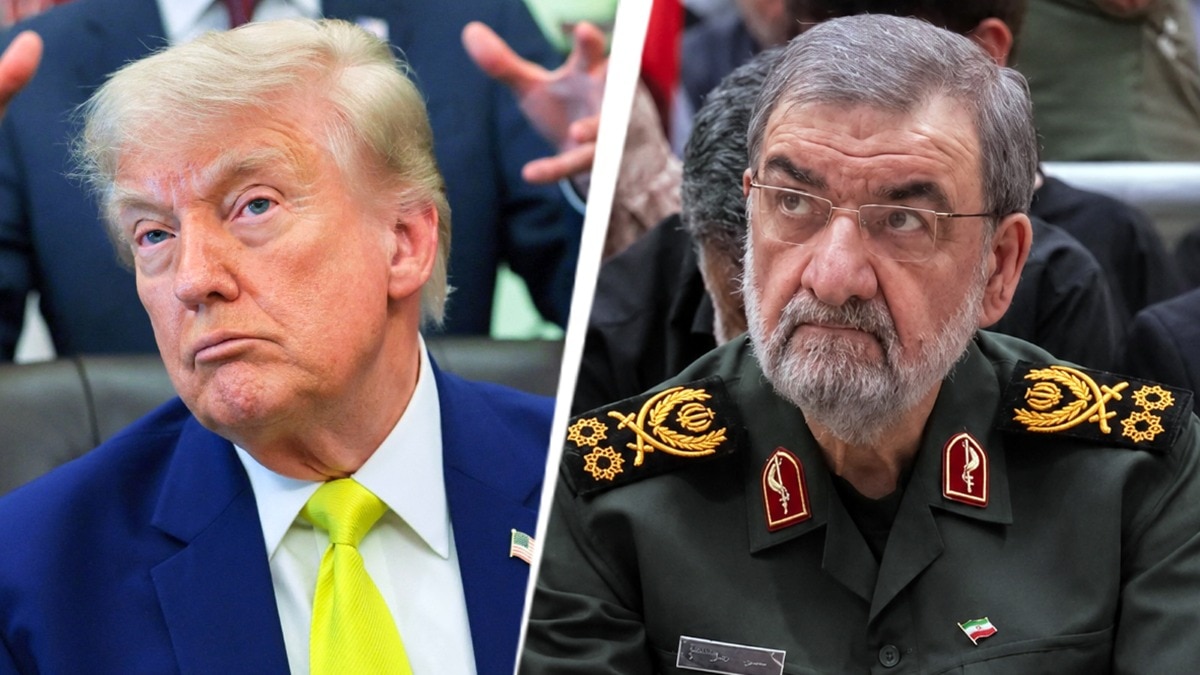
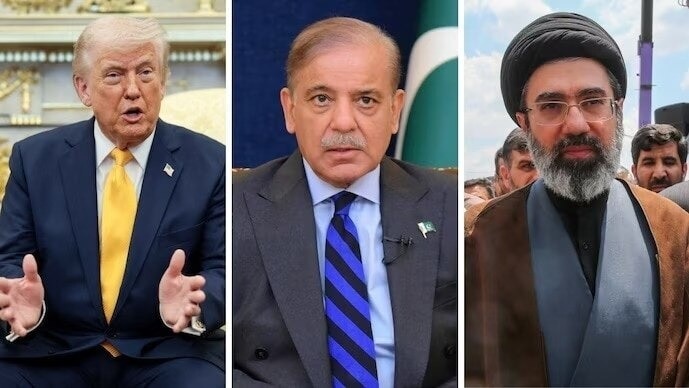
The "Islamabad talks", as Pakistani Prime Minister Shehbaz Sahrif put it, began on Saturday, between the US and Iran, led by American Vice President JD Vance, and Iranian Parliament Speaker Mohammad Bagher Ghalibaf, respectively. The talks are taking place amid a fragile ceasefire between the two nations. US President Donald Trump had announced a two-week ceasefire and claimed that Pakistan's PM and Field Marshal Asim Munir had requested Washington to pursue a deal with Tehran. The premier of Pakistan's hybrid regime announced that the diplomatic talks will be held on Pakistani soil. Islamabad is clearly desperate for a peace deal between the US and Iran for a slew of reasons — from staying in Trump's good books and avoiding a spillover into its volatile western provinces, to preventing a direct confrontation with Iran.
However, with two volatile states at the table, each holding some leverage over the other, the chances of a successful deal appear slim. If the "Islamabad talks" fail, the fallout could haunt Pakistan in ways it may not yet have contemplated.
Islamabad's decision to step in as a diplomatic host is not merely an attempt to assert relevance on the global stage, but an act of strategic self-preservation. Experts suggest that if the talks collapse, tensions could quickly spiral back into confrontation for Pakistan. Its urgency to secure a deal is thus being seen as an effort to avoid being drawn into a conflict with Iran, given Pakistan's defence pact with Saudi Arabia.
"Islamabad is seeking to reassert diplomatic relevance by positioning itself as a credible interlocutor, leveraging its ties with Washington, Tehran, and key Gulf capitals," Raza Rumi, a US-based Pakistani analyst, was quoted as saying by DW news outlet.
PAKISTAN MIGHT FACE A FRIGHTENING SCENARIO IF TALKS FAIL
Both the geography and diplomacy of Pakistan have left it hanging in the balance. Sitting at the crossroads of South Asia, Central Asia, and the Middle East, it is directly exposed to any escalation involving Iran. More importantly, Islamabad maintains close defence ties with Saudi Arabia, a principal rival of Tehran.
"Pakistan will face a potential 'nightmare scenario' if negotiations collapse, and it gets dragged into fighting with its neighbour Iran," Abdul Basit, a South Asia expert, told the BBC. Basit also said that Pakistan would get involved in the Middle East because of its mutual defence pact with Saudi Arabia.
Pakistan and Saudi Arabia had signed a mutual defence pact in September last year. The message of the agreement read, "Any aggression against either country shall be considered an aggression against both." However, Pakistan didn't join the Iran war even though its defence pact ally, Saudi Arabia, was hit by Iran as retaliation.
Pakistan has condemned Iranian attacks on Saudi Arabia and other Gulf countries, but on April 7, Islamabad's Foreign Office expressed a strong condemnation of the Iranian attack on Saudi's energy facilities. According to Pakistan's local news outlet The , a Pakistani security official said, "The country would stand in solidarity with Riyadh under the defence pact and also mentioned that it is ready to get involved if the conflict escalates."
The issue de-escalated after Trump announced the ceasefire on the same day.
WHY PAKISTAN CANNOT AFFORD TO GET DRAGGED IN THE WAR IN THE MIDDLE EAST
According to experts, the talks between the US and Iran are of supreme priority for Pakistan as it cannot afford to be dragged into the Middle East war.
The reason? Pakistan's war with Afghanistan and its growing insurgency in Balochistan. Experts explained that if peace talks fail, the three borders of Pakistan will turn hot, referring to Afghanistan, Iran, and India.
"Pakistan does not want anarchy in Iran as an outcome of continued warfare, which would greatly exacerbate the pre-existing acute security situation on its western flank (Iran Border)," Kamran Bokhari, senior resident fellow with the Middle East Policy Council, told Reuters.
The hybrid military-civilian leadership of Pakistan never wanted to get sucked into the Iran war. This became quite evident when Pakistan attacked Afghanistan, declaring an "open war" and setting its own house on fire. Reports suggest that Asim Munir couldn't displease Trump nor have any link to the Iran attack, and there is a reason behind it.
Pakistan is the only American ally that shares a border with Iran. If the situation were to escalate, Washington might seek access to Pakistani airstrips and other military infrastructure to support operations against Tehran. This would place Islamabad in an exceptionally difficult position.
For Pakistan's leadership, particularly Army Chief Asim Munir and Prime Minister Shehbaz Sharif, the situation would become a strategic and political tightrope.
Their efforts to maintain favourable ties with the US mean they cannot easily refuse such requests without risking diplomatic fallout. Yet, domestically, any perception of aligning with the US or indirectly with Israel against Iran would be seen as controversial.
With a significant Shia population of up to 20%, any involvement, direct or indirect, in actions against a Shia-majority country like Iran could trigger a major backlash.
On the international stage, the costs would also be high as Pakistan has long positioned itself as a key member of the broader Islamic world while maintaining close ties with Gulf nations. Any role in facilitating action against Iran would undermine that image, exposing contradictions in its foreign policy and weakening its standing within the Islamic bloc.
PAKISTAN'S FRAGILE ECONOMY MAKES IT EVEN MORE DESPERATE
There is also an economic crisis that Pakistan is facing. With such a fragile economy, Islamabad cannot afford to fight against Iran.
"If they (US-Iran) reach some understanding, it will help stabilise the situation, but if the talks collapse, and the conflict continues, it will only further create economic and geopolitical chaos," Farwa Aamer, Director of South Asia Initiatives at the Asia Society Policy Institute, was quoted as saying by DW.
A protracted war in the Middle East is having a direct impact on Pakistan's economy. Pakistan is highly dependent on oil and gas imports from the Gulf. Lakhs of its citizens also work in the Gulf countries.
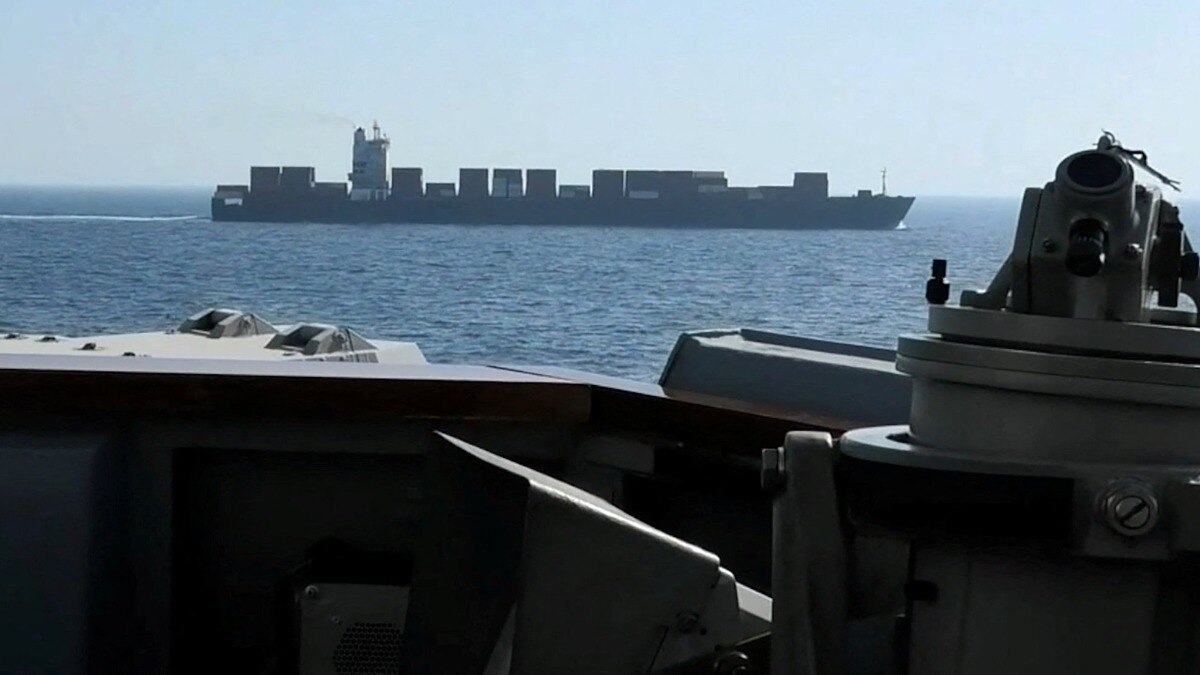
The choking of the Strait of Hormuz has spiked oil prices, which has hurt nations globally, but Pakistan especially.
Even after Iran allowed Pakistani vessels to transit through Hormuz, the country has still felt the jab of a price rise. The government fell back on pandemic-style restrictions, including school closures and work from home, to save fuel. Because of the fuel crisis, markets in many Pakistani cities have been closing early, and public transport has also been affected.
In that sense, Pakistan's desperation for a US-Iran peace deal is not surprising.
If diplomacy in Islamabad collapses, there is a possibility of Pakistan getting sucked into the Middle East war. A war that it cannot afford.
- Ends
Published By:
Avinash Kateel
Published On:
Apr 11, 2026 18:42 IST
Tune In