1 month ago
Narendra Modi concluded his New Zealand visit after talks with Christopher Luxon and key outreach events. The trip upgraded bilateral ties, set an ambitious trade goal and widened Indo-Pacific cooperation.
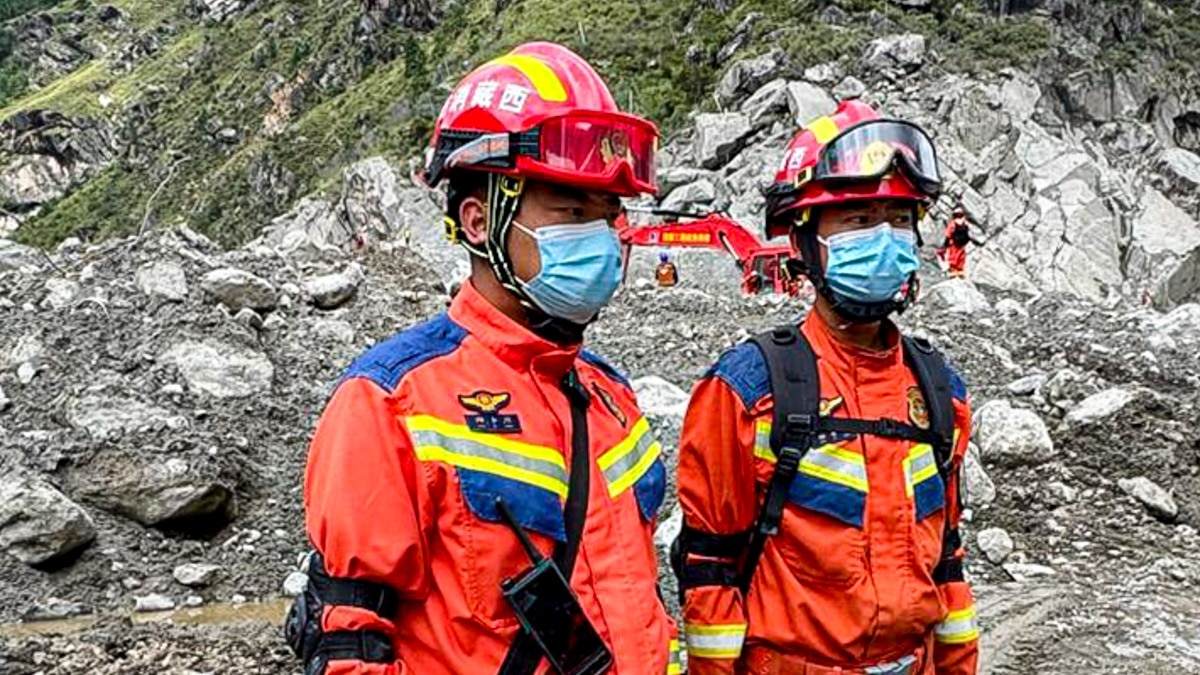
Image used for representational purposes only

Auckland,UPDATED: Jul 11, 2026 16:06 IST
Prime Minister Narendra Modi left for India on Saturday after a two-day visit to New Zealand, where the two countries elevated their ties to a strategic partnership and set a five-year target to double annual bilateral trade in goods and services to Rs 35,000 crore. New Zealand was the final stop of Modi’s three-nation tour, which also included Indonesia and Australia.
Modi was seen off at the airport by New Zealand Prime Minister Christopher Luxon. In a post on X, the Ministry of External Affairs said, "A visit that deepened bonds, strengthened partnerships and shaped a shared future. After concluding substantive discussions and overseeing key set of outcomes in New Zealand, PM @narendramodi departs for India. In a special gesture, he was seen off by PM @chrisluxonmp at the airport."
In New Zealand, Modi held talks with Luxon, and the meeting produced 18 concrete outcomes, including 10 agreements. Among the key decisions were a roadmap to expand ties over the next four years, a framework to enhance Indo-Pacific maritime cooperation, and a reciprocal logistics support pact between the Indian Navy and the New Zealand Defence Force.
The visit came after the recent signing of the India-New Zealand Free Trade Agreement and was the first by an Indian prime minister to New Zealand in 40 years. Modi also met a select group of CEOs and business leaders, where he said the landmark agreement would add depth and dynamism to bilateral economic ties and open new opportunities for market access, investment and talent mobility.
During the visit, Modi interacted with the Indian community at an event titled ‘Kia Ora Modi’ in Auckland. Earlier in the day, he also toured an exhibition featuring New Zealand’s innovative sports equipment and technologies, demonstrated by some of the country’s leading athletes and sporting icons.
Before arriving in New Zealand, Modi was in Australia, where he held summit talks with Prime Minister Anthony Albanese. The two leaders underlined the importance of the bilateral partnership in ensuring a peaceful Indo-Pacific. A major outcome of the talks was a push to significantly strengthen defence ties, especially in the maritime domain. The two sides also sealed a civil nuclear energy agreement to facilitate the commercial supply of uranium from Australia to India for New Delhi’s nuclear power projects after more than two years of negotiations.
Modi had begun his tour in Indonesia, where he signed 14 agreements to strengthen cooperation in critical minerals, maritime security and other key sectors. In another post on X, the MEA said, "Prime Minister @narendramodi's three-country visit to Indonesia, Australia and New Zealand delivered significant outcomes advancing cooperation across several sectors, including trade, technology, security, education, innovation and people-to-people exchanges among others."
With the New Zealand leg concluding the trip, Modi’s visits to Indonesia, Australia and New Zealand delivered outcomes across trade, technology, security, education, innovation and people-to-people ties, while also marking a strategic upgrade in India-New Zealand relations.
With PTI Inputs
- Ends
Published By:
India Today Web Desk
Published On:
Jul 11, 2026 16:06 IST