4 weeks ago
Last Updated:January 09, 2026, 18:59 IST
While no official nationwide launch date has been announced, telecom operators are likely to begin rolling out the service by March 2026

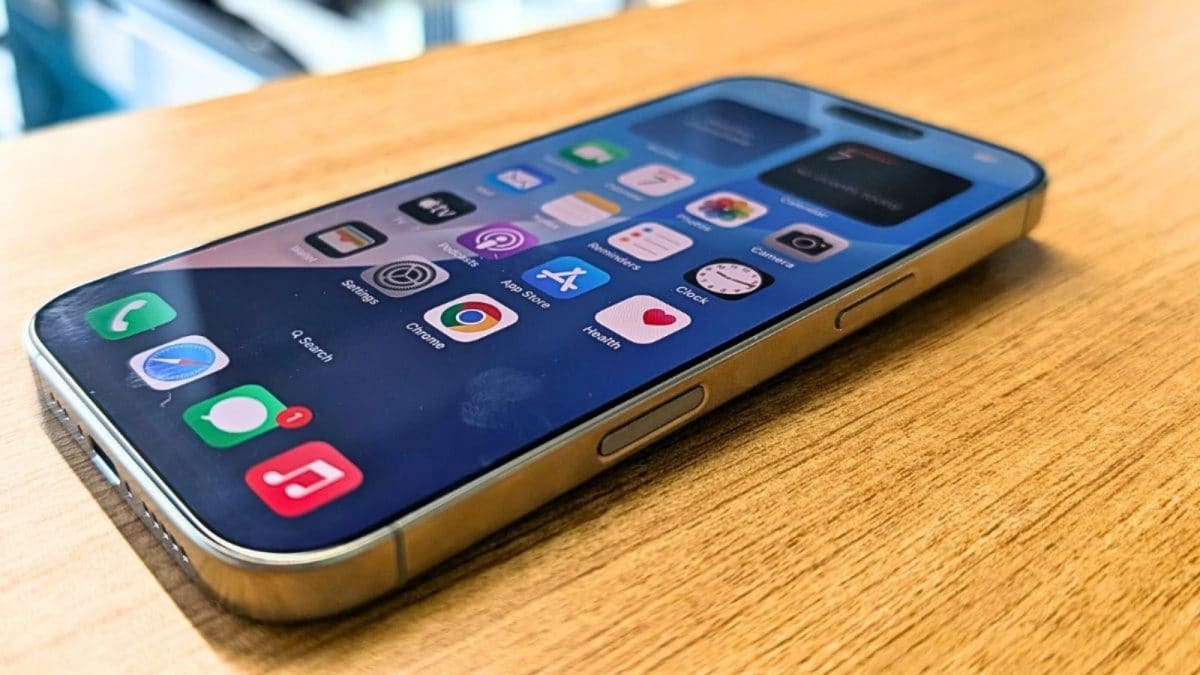
Until now, mobile networks have only been required to show the caller's number, with no mandatory mechanism to display a name. (AI-Generated Image)
When a phone rings without a familiar name flashing on the screen, most people hesitate. Answering an unknown number has increasingly become a gamble, especially in an era of spam and scam calls. While third-party caller ID apps attempt to fill this gap, the names they display are often unreliable.
That uncertainty may soon end. The government is preparing to roll out India’s first official caller identification system, built directly into telecom networks and independent of external apps. Known as Calling Name Presentation, or CNAP, the system is expected to be introduced within the next 2-3 months.
The proposal was approved by the Telecom Regulatory Authority of India (TRAI) in October 2025, following a recommendation from the Department of Telecom (DoT). Under CNAP, incoming calls will display not just the phone number but also the verified name of the caller, as recorded by the telecom operator at the time of SIM issuance.
Unlike existing caller ID applications that rely on crowd-sourced data, the CNAP system will draw information directly from operators’ official customer databases. This, regulators said, will make the displayed names far more accurate and trustworthy. Importantly, the feature will work not only on smartphones but also on basic feature phones.
Until now, mobile networks have only been required to show the caller’s number, with no mandatory mechanism to display a name. CNAP aims to close that gap. Once implemented, the feature will function automatically across devices without requiring users to download or install any additional software.
TRAI has said the service will be enabled by default for all subscribers nationwide. Users who prefer not to use it will have the option to opt out by contacting their telecom service provider, a provision meant to balance privacy concerns with public convenience.
Regulators believe the system could play a significant role in curbing spam and fraud. “It will help the person receiving the call decide whether to answer or not," TRAI has said, noting that clearer caller identification will also improve trust in digital communication.
From a technical standpoint, telecom operators will be required to maintain their own Calling Name, or CNAM, databases, linking every mobile number to a verified subscriber name. When a call is made, the network will fetch and display this information in real time on the recipient’s screen, increasing accountability and reducing cases of mistaken or misleading identity.
Trials of the system have already highlighted challenges, including the need for software updates and network upgrades. As a result, testing has so far been limited to packet-switched networks, such as those used for mobile data and VoIP calls, while traditional circuit-switched voice networks continue to be prepared.
CNAP will not be offered as a paid or standalone service but will be integrated into existing telecom offerings. Industry experts say the move could significantly strengthen digital trust in India, particularly at a time when fraudulent calls are on the rise. Senior citizens and users with limited technical awareness are expected to benefit the most.
First Published:
January 09, 2026, 18:59 IST
News tech India's Answer To Truecaller Is Coming, Govt's Built-In Caller ID Nears Rollout
Disclaimer: Comments reflect users’ views, not News18’s. Please keep discussions respectful and constructive. Abusive, defamatory, or illegal comments will be removed. News18 may disable any comment at its discretion. By posting, you agree to our Terms of Use and Privacy Policy.
Read More