1 hour ago
The Indian Embassy in Nepal has outlined how foreign nationals killed in the floods will be identified and returned. The advisory highlights DNA matching and consular coordination as crucial for families awaiting closure.

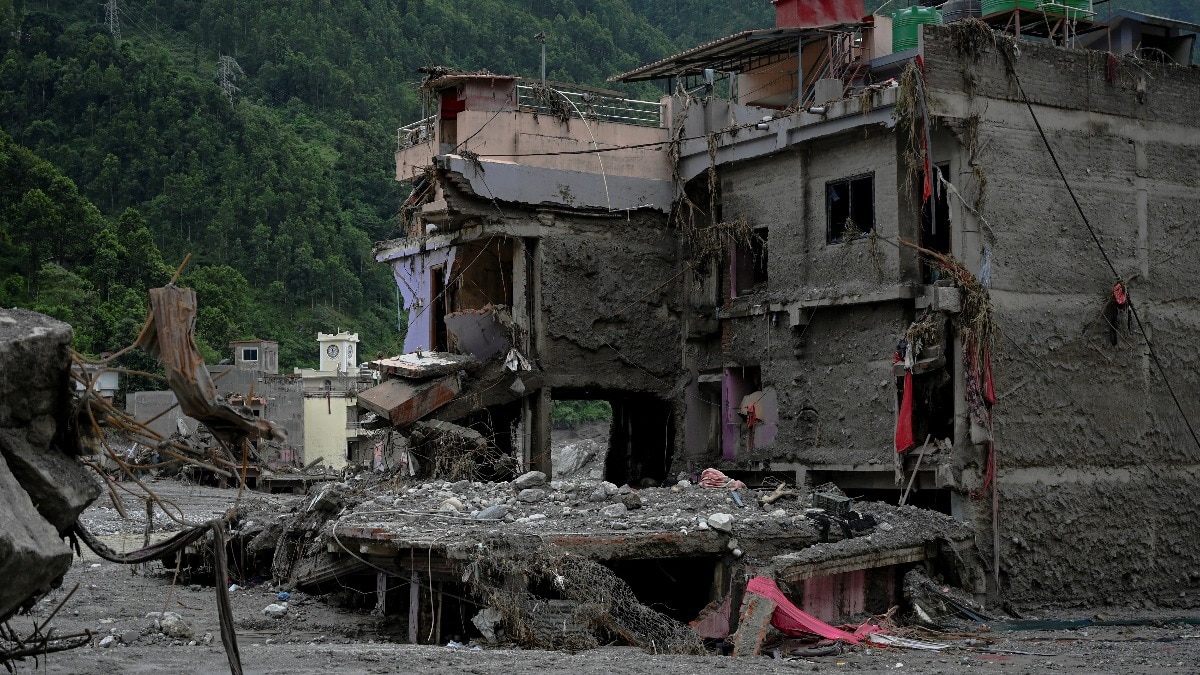
Image used for representational purposes only

Kathmandu,UPDATED: Sep 1, 2026 11:12 IST
The Indian Embassy in Nepal on Tuesday issued a detailed procedure for the identification and repatriation of the mortal remains of foreign nationals, including Indians, who were killed in the flash floods that hit the country.
The floods, which were triggered near the Nepal-Tibet border on August 26, swept through northern and central Nepal, killing hundreds, leaving thousands missing, and damaging homes, roads, bridges and hydropower infrastructure.
In a press release, the embassy said the Government of Nepal has laid down a nine-step procedure for handing over the mortal remains of foreign nationals. The process includes documentation, recording photographs and details, post-mortem examination, verification of the cause of death, and formal identification. It also includes the collection of fingerprints, DNA and other forensic samples, verification of the deceased's passport or identity documents, completion of embassy or consular coordination, and issuance of a handover or release memo and receipt.
The embassy said the first four steps will be carried out by Nepali authorities. If relatives are able to identify the mortal remains through photographs and descriptions uploaded on the Nepal Police website, the Indian Embassy will assist in coordinating with local authorities for their handover and repatriation.
The embassy said the Government of Nepal has temporarily interred a large number of mortal remains to prevent health risks, and identifying them will require DNA matching with first-degree relatives. It said a first-degree relative is a biological family member exactly one step away in the family tree, including parents, full siblings, and children. In cases where identification is not possible, or where the remains have been temporarily interred, Nepal will facilitate DNA matching.
Nepali authorities are collecting DNA samples from the mortal remains to create DNA profiles. The embassy said first-degree relatives of the deceased can send their DNA profiles by email or provide blood samples along with the preliminary information required by Nepali authorities. It added that relatives could also share DNA profiles with the embassy for coordination with the Nepali authorities. The embassy has also provided three helpline numbers with WhatsApp facility for assistance and enquiries on the identification and repatriation process.
The embassy's advisory sets out the steps for identification and repatriation, while also explaining the role of DNA matching in cases where bodies cannot be identified immediately or have been temporarily interred.
With PTI Inputs
- Ends
Published By:
India Today Web Desk
Published On:
Sep 1, 2026 11:12 IST