 1 month ago
HomeMarket NewsIndiGo crisis exposes deeper cracks in governance and industry structure, say aviation experts
Jinesh Joshi of PL Capital advises investors to steer clear of the stock, citing significant pilot hiring challenges and the risk of missing key growth guidance, which could put long-term pressure on earnings and operational stability.

As IndiGo struggles with large-scale flight cancellations and rising public frustration, experts say the crisis goes far beyond operational glitches. They argue it reflects deeper gaps in governance, leadership communication, and the structure of the aviation industry itself.
India’s aviation market has now shrunk to just a handful of players, and Hetal Dalal, President and COO of IiAS believes this oligopolistic structure is unhealthy.
“It's time to learn from the lessons. The oligopolistic market is not necessarily healthy from a customer standpoint. You certainly need to have more competition.”
She says this crisis should push regulators and policymakers to revisit key practices, including anti-poaching arrangements between airlines, hiring rules for pilots, and the overall cost structure of the industry.
The bigger concern is not just the disruption but the lack of clear communication from IndiGo’s leadership. Dalal stated that the airline’s first public statement came only after the crisis had fully erupted, and it was signed by an unnamed spokesperson.
Read Here | IndiGo shares snap seven-day losing streak but analysts expect stock to remain volatile
Dalal says this silence is troubling, especially because the company had more than a year to prepare for the flight duty time limitation (FDTL) rule changes. “The real question is not just how the chaos is being handled, but how the board was monitoring regulatory compliance over the past year,” she argues.
Dalal notes that while the airline will suffer reputational damage, its strong market position gives it some protection. With limited alternatives, customers may not have many choices. But she warns that this is exactly why the industry structure needs a rethink.
Jinesh Joshi, Research Analyst at PL Capital, believes the issues at IndiGo could have a long-term impact on earnings.
He explains that complying with new FDTL norms will increase pilot requirements. IndiGo currently has a pilots-to-aircraft ratio of around 13. Moving to 16 would raise employee costs by about 9%. But the real challenge is finding enough trained pilots — India issued only around 1,200 commercial pilot licences in 2024.
IndiGo may need roughly 1,100 more pilots to meet the norms, Joshi estimates, which could put the airline’s capacity (ASM) guidance at risk.
He warns that near-term earnings will likely be under pressure and meeting growth targets for quarter three and FY26 could be difficult.
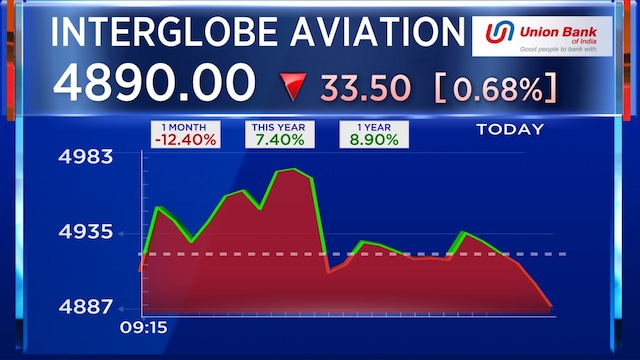
Given the combination of near-term pressure on earnings from rising costs and the longer-term structural challenge of pilot shortages impacting growth guidance, Joshi recommended investors to stay away from the stock.
Note To Readers
Disclaimer: The views and investment tips expressed by investment experts on CNBCTV18.com are their own and not that of the website or its management. CNBCTV18.com advises users to check with certified experts before taking any investment decisions.