1 month ago
Iran's strategic chokepoint control raises global economic and security concerns

UPDATED: Mar 31, 2026 14:43 IST
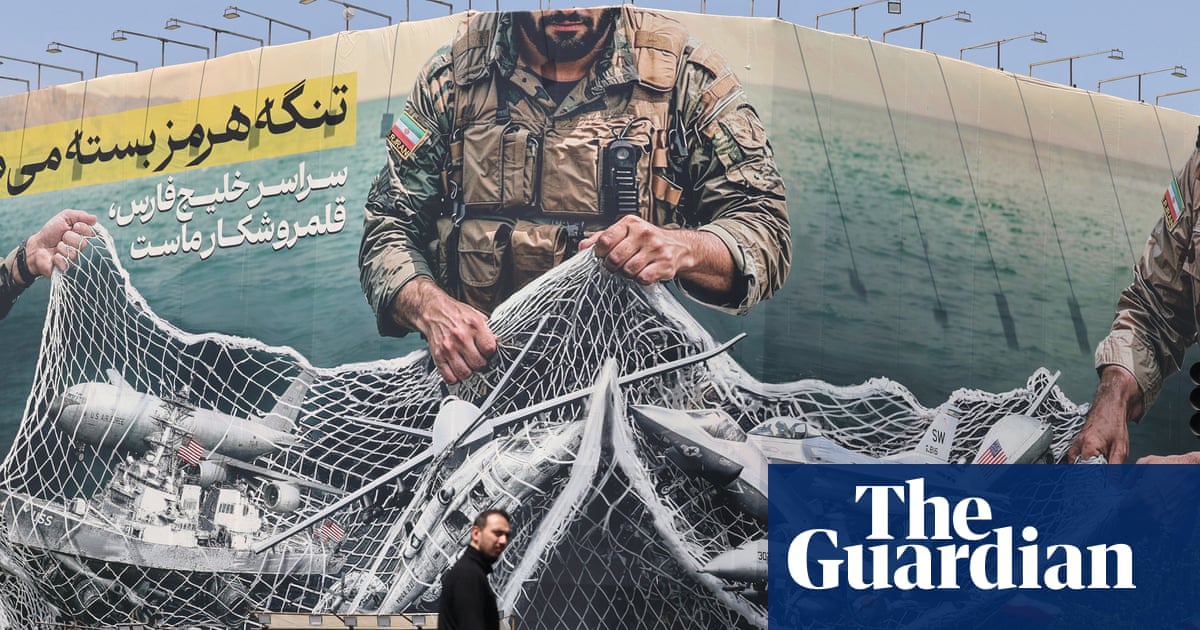
Iran’s real power at sea does not come from aircraft carriers or large fleets. It comes from geography, strategy, and the ability to choke the world’s busiest maritime arteries at will. In a global economy where over 90 per cent of trade moves by sea, narrow chokepoints are everything. And Iran has positioned itself, directly or indirectly, across some of the most critical ones.
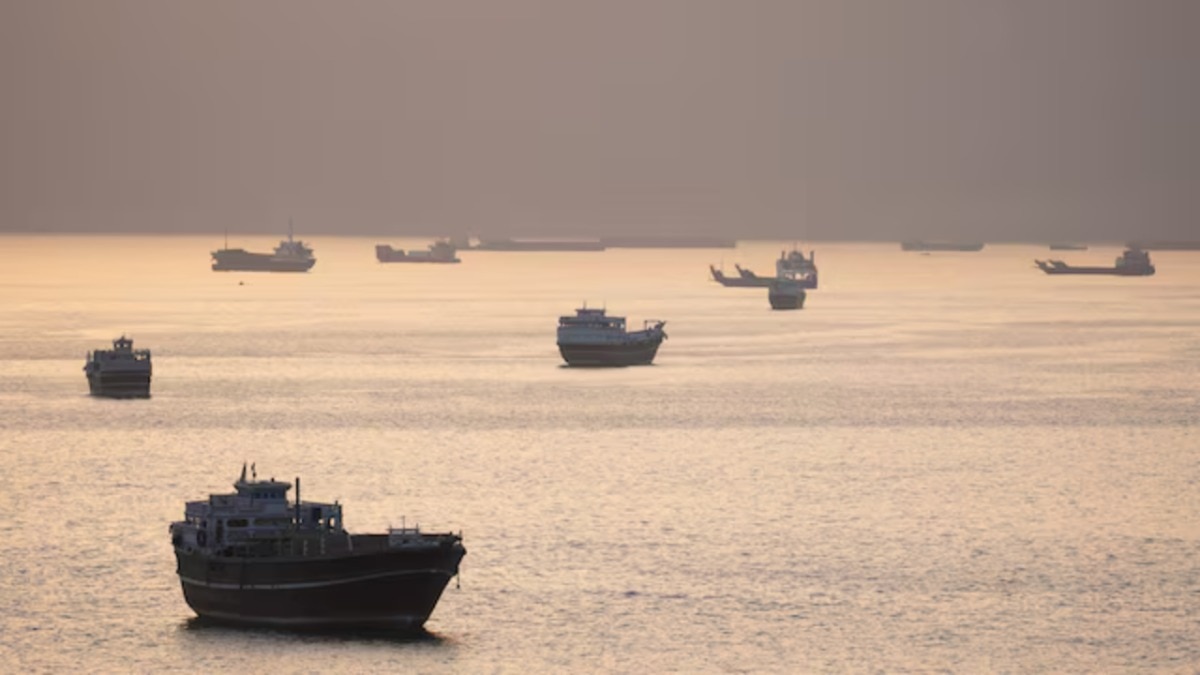
Start with the Strait of Hormuz, arguably the most vital energy corridor on the planet. Roughly 20 per cent of the world’s oil and gas flows through this narrow passage. Any disruption here is not regional, it is global. Recent restrictions have already triggered a sharp spike in oil prices, sending shockwaves through markets and raising fears of sustained inflation.
Then there is the Bab el-Mandeb, the gateway between the Red Sea and the Indian Ocean. Around 10 per cent of global shipping passes through this route. Here, Iran’s influence is exercised through the Houthis, a powerful non-state actor that has openly threatened to target Israeli-linked vessels. This turns a distant conflict into a direct risk for international shipping.
What makes Iran’s approach particularly effective is that it does not rely on traditional naval dominance. Instead, it leans on asymmetric warfare. Ballistic missiles, naval mines, and unmanned surface vessels allow Iran to threaten far more powerful adversaries without matching them ship for ship. Even as the United States claims to have degraded Iran’s naval assets, its missile and drone capabilities remain intact and operationally dangerous.
These capabilities extend beyond immediate waters. With missile ranges exceeding 3,000 kilometres, Iran can theoretically threaten vessels approaching the Suez Canal and even the Turkish Straits. That places four major chokepoints within reach of Iranian firepower, an extraordinary level of strategic leverage.
This is not sea control in the traditional sense. It is chokepoint warfare, a strategy designed to impose economic pain rather than win naval battles. Disruptions in these corridors ripple outward, pushing up oil prices, straining supply chains, and fuelling global uncertainty.
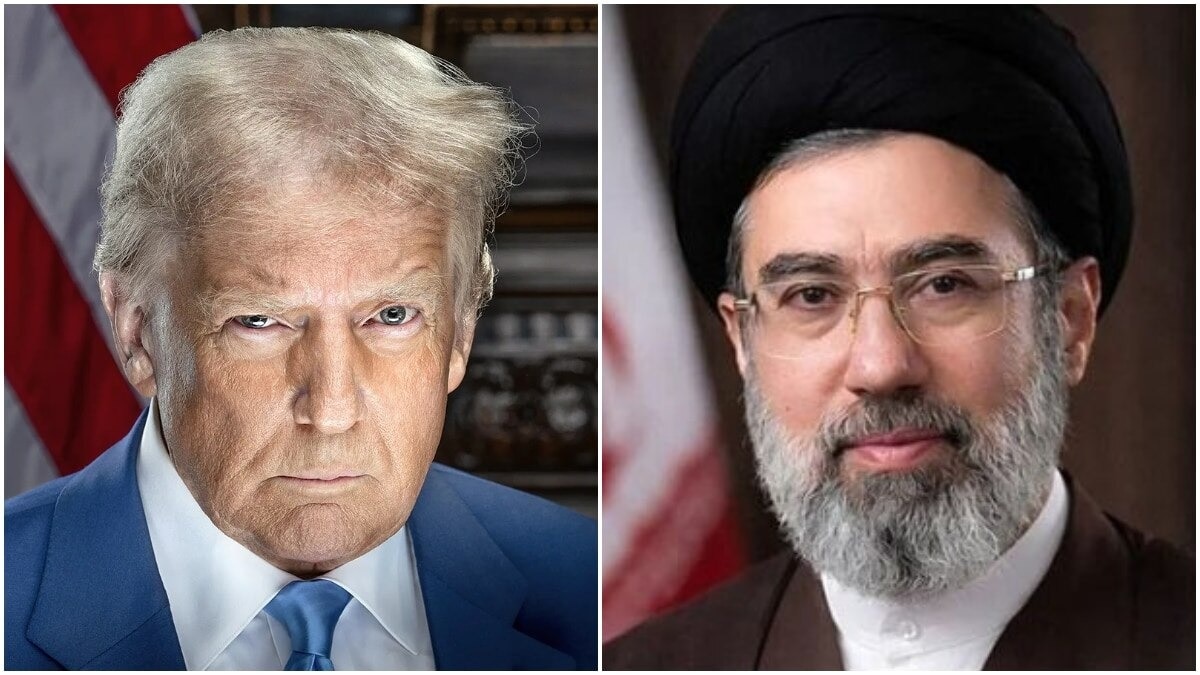
As negotiations continue, this reality should weigh heavily on Western policymakers. Iran may not dominate the seas, but it does not need to. It only needs to hold the world’s pressure points.
- Ends
Published By:
indiatodayglobal
Published On:
Mar 31, 2026 14:43 IST
Tune In