1 month ago
A month into their war with Iran, the United States and Israel are facing a stubborn reality: despite relentless airstrikes, Tehran is still finding ways to hit back — and keep the global economy on edge.
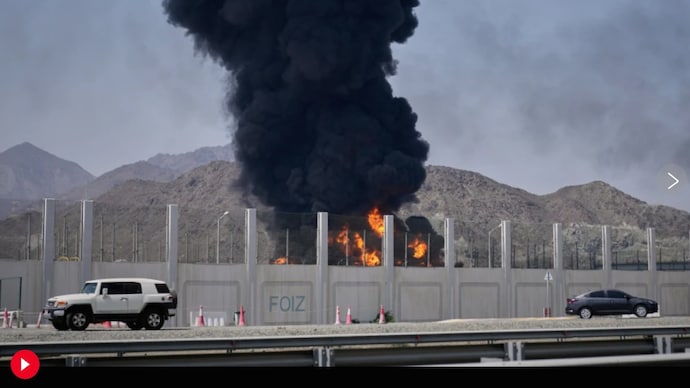
A month into their war with Iran, the United States and Israel are confronting an opponent that is fighting less like a conventional military and more like an insurgency. (Photo: AP)

UPDATED: Mar 28, 2026 06:42 IST
A month into their war with Iran, the United States and Israel are confronting an opponent that is fighting less like a conventional military and more like an insurgency, using limited resources to inflict maximum disruption, according to a report by Associated Press.
Despite sustained airstrikes, Iran has continued to launch missiles and drones while leveraging its biggest strategic advantage — control over the Strait of Hormuz — to pressure global energy markets, the Associated Press reported.
A STRATEGY BUILT ON SURVIVAL
Iran’s approach reflects a shift away from direct confrontation toward endurance. “The Islamic Republic understands that it cannot defeat the United States militarily,” analyst Shukriya Bradost wrote, according to the Associated Press. “Instead, its objective is survive the war long enough to claim victory.”
The tactic mirrors methods used by Iran-backed groups across the region, where survival and sustained disruption take precedence over battlefield wins.
STRAIT OF HORMUZ AS LEVERAGE
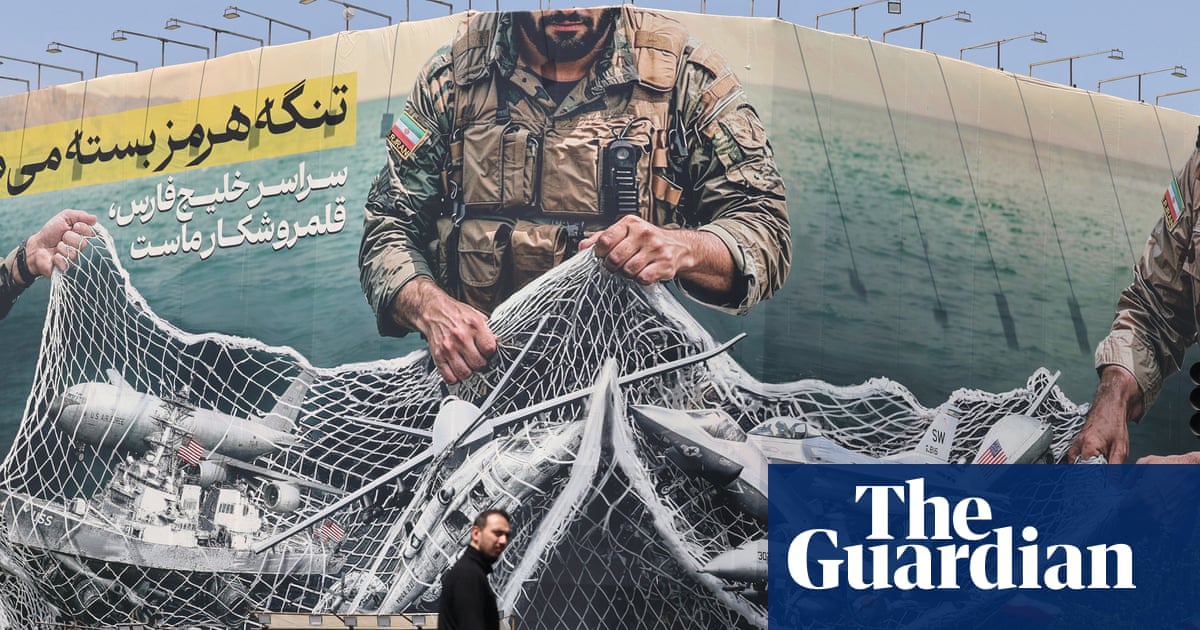
The Associated Press noted that Iran’s grip over the Strait of Hormuz, through which a significant share of global oil once flowed, has become its most powerful economic weapon.
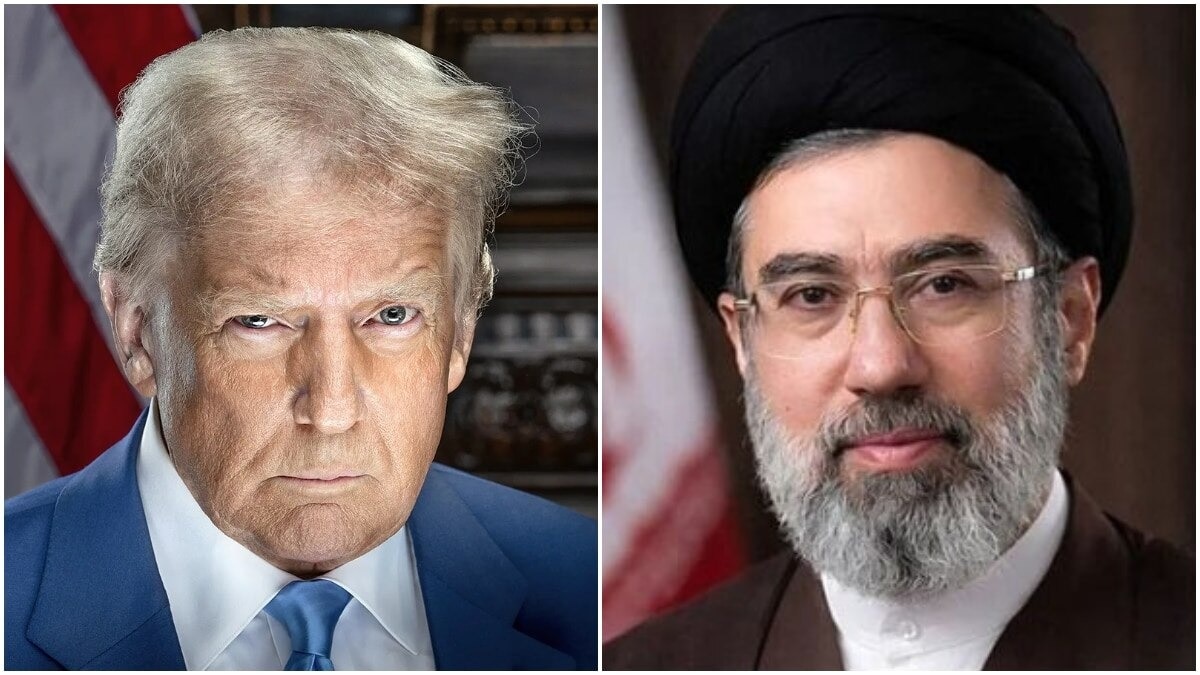
By restricting shipping, Tehran has pushed oil prices higher and triggered ripple effects across global markets, from Asia to Europe and the United States. The economic fallout is also adding pressure on President Donald Trump, who is already grappling with rising costs at home.
ESCALATION RISKS REMAIN
Efforts to resolve the conflict diplomatically remain uncertain. While Washington says talks are progressing, Iran has denied that meaningful negotiations are underway, the Associated Press reported.
If diplomacy fails, the US and Israel may face a choice between escalating the war further or accepting limited strategic gains.
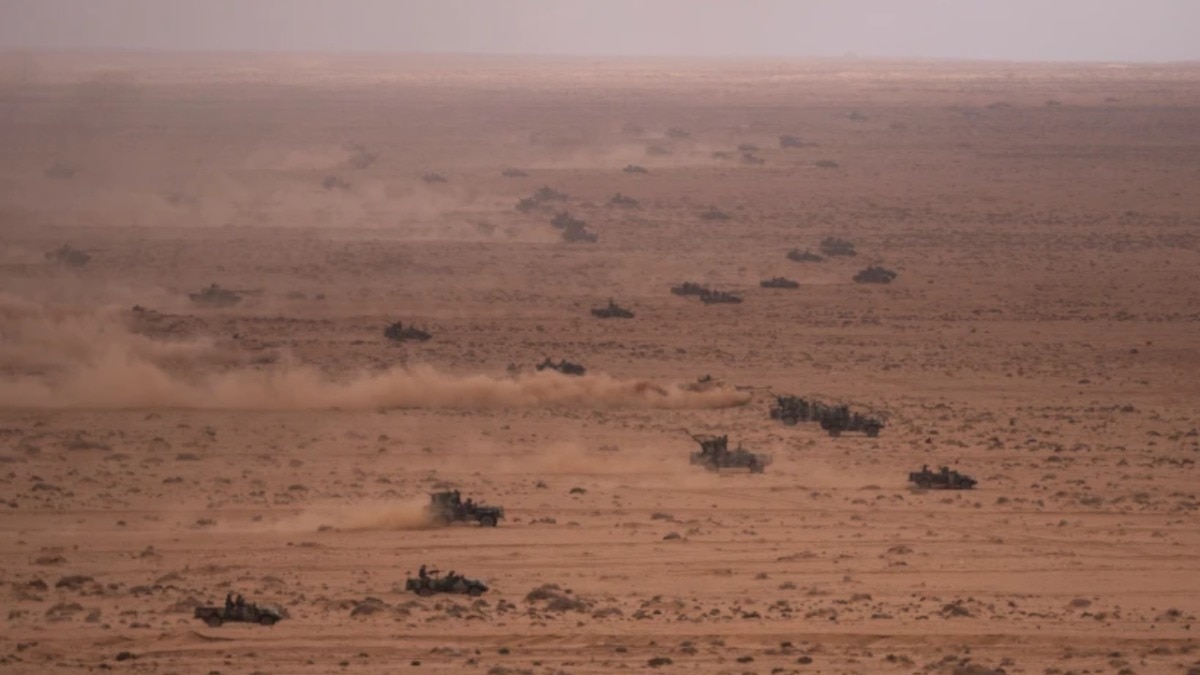
Even after heavy losses, Iran retains the ability to strike. The Associated Press reported that Tehran continues to rely on underground bases, mobile missile launchers and “shoot-and-scoot” tactics — methods commonly used by insurgent groups — to evade airstrikes and sustain attacks.
Iran’s geography, including its vast and mountainous terrain, further complicates efforts to neutralise its capabilities.
PRESSURE AT HOME
At the same time, internal challenges are mounting. There have been no signs of a popular uprising despite earlier protests, with many civilians now focused on surviving airstrikes.
The Associated Press reported that Iran has expanded recruitment into paramilitary forces, even as questions persist over leadership cohesion and command structures.
UNCERTAIN ENDGAME
Analysts warn that military pressure alone may not force a resolution. “Washington seems to believe that an overwhelming display of military power will force the Iranians to the negotiating table,” the Soufan Center said, according to the Associated Press. “But the U.S. can’t expect to gain in peace what it was not able to take in war.”
For now, Iran’s strategy appears clear: endure the assault, maintain pressure, and outlast its adversaries — even as the global economy absorbs the shock.
- Ends
Published By:
Nitish Singh
Published On:
Mar 28, 2026 06:42 IST
Tune In