1 month ago
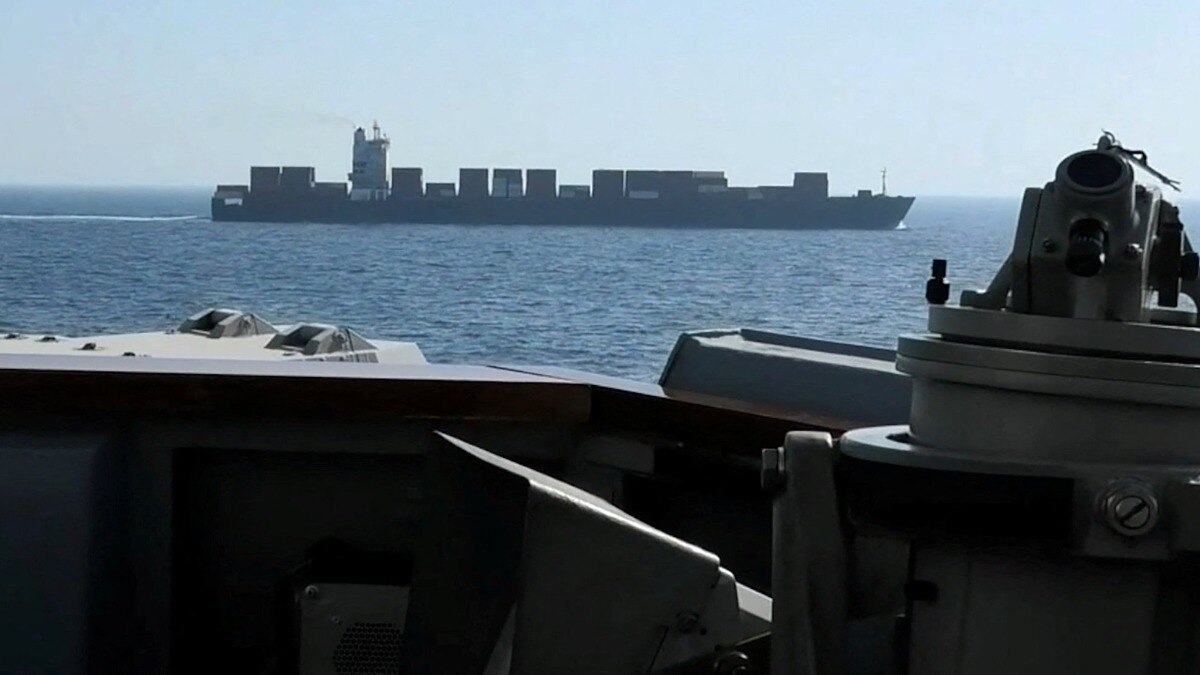
US officials said that Iran's inability to locate and remove mines it deployed is delaying safe passage through the Strait of Hormuz, even as pressure mounts to restore normal shipping traffic.
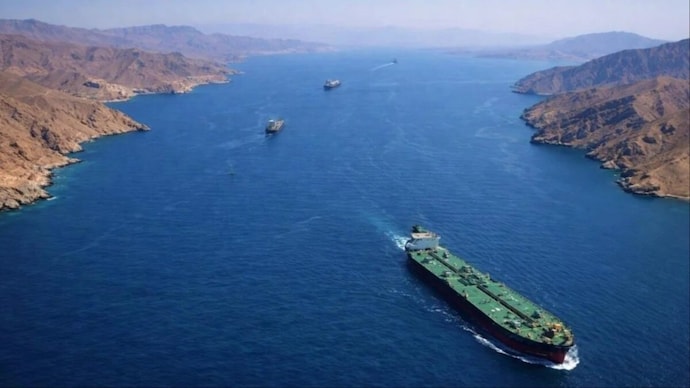
Over a month into the US bombing campaign, Iran maintains control over the vital Strait of Hormuz.

New Delhi,UPDATED: Apr 11, 2026 09:49 IST
Iran's inability to fully reopen the Strait of Hormuz stems from a basic problem that it cannot locate all the naval mines it deployed during the Middle East conflict and lacks the technical capability to remove them, US officials told The New York Times.
The problem traces back to last month, when Iran began seeding the waterway with mines using small boats, soon after the United States and Israel launched their war against the Islamic nation. Even then, American officials noted the operation was neither fast nor efficient.
Before any mines were placed, the disruption had already begun. On March 2, a senior Islamic Revolutionary Guards Corps official declared the strait closed and warned that any vessel entering could be set 'ablaze', according to state media. Shipping was rattled, and oil prices spiked across the globe.
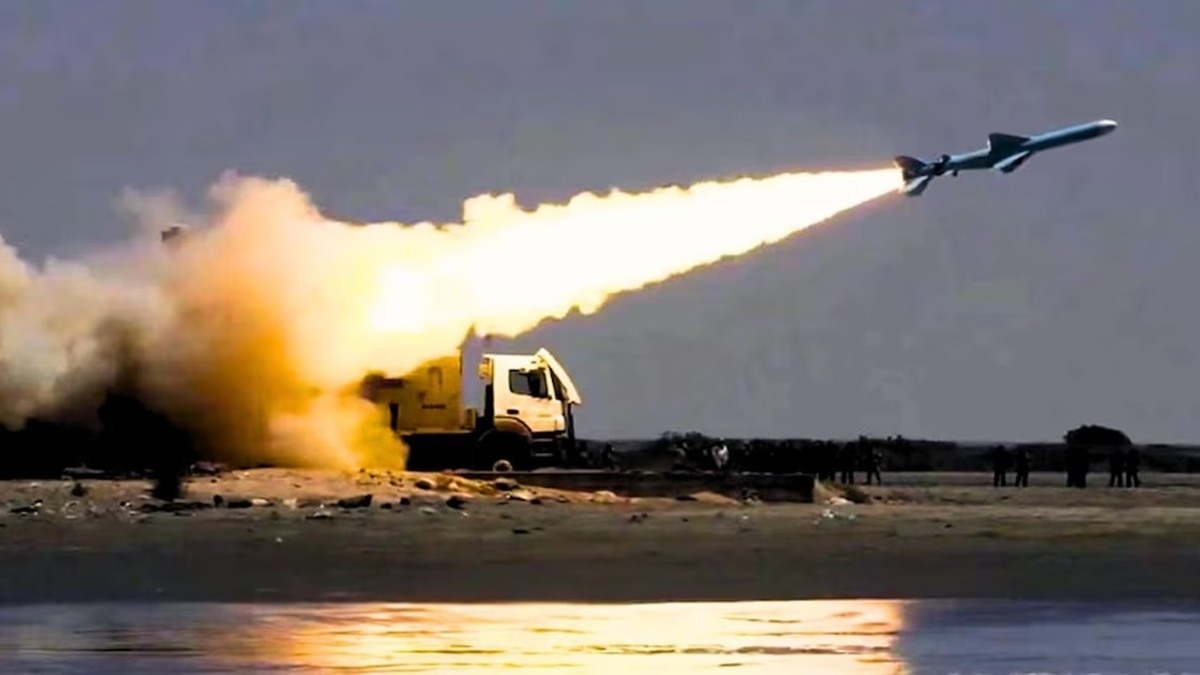
Once the mines were deployed, the impact deepened. Tanker movement dropped sharply, with the added threat of Iranian drone and missile strikes compounding the risk. The squeeze on traffic handed Tehran significant leverage during the conflict.
Yet the same tactic is now limiting Iran's options. US officials said the mines were laid in a scattered, haphazard manner, and it remains unclear whether their locations were fully recorded by Tehran. Even when they were, some devices may have drifted, making recovery more difficult, according to NYT.
Iran did leave a narrow passage open, allowing ships willing to pay a toll to cross. The Revolutionary Guards have warned vessels about the danger of hitting mines, while semiofficial media published maps indicating safer routes -- though these remain restricted.
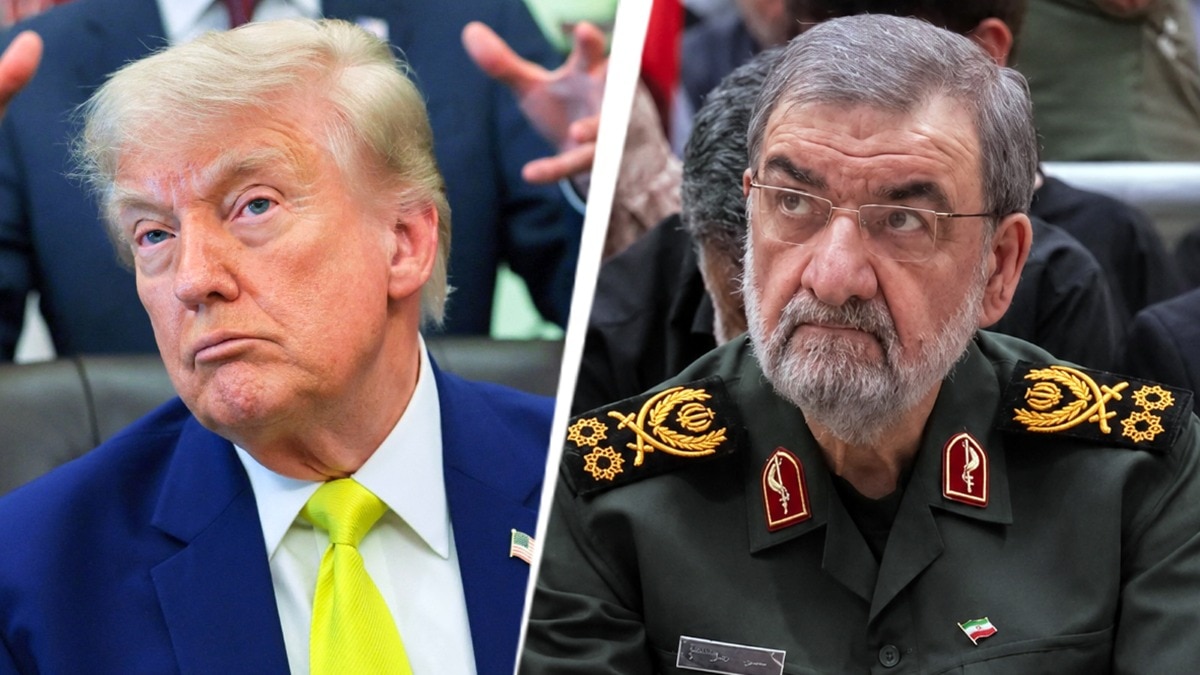
The inability to quickly clear the waterway has slowed Iran's response to demands from US President Donald Trump's administration to restore normal traffic. In a social media post on Tuesday, Trump tied a potential two-week ceasefire in the US-Iran war to the "COMPLETE, IMMEDIATE, and SAFE OPENING of the strait".
Iran has signalled the constraints. On Wednesday, Foreign Minister Abbas Araghchi said the strait would reopen "with due consideration of technical limitations", a phrase US officials told NYT reflects acknowledgement of the mine problem.
That issue is expected to feature prominently as a 70-member Iranian delegation led by Araghchi is scheduled to meet US Vice President JD Vance in Islamabad today for peace talks.
Removing the mines is proving far more complex than laying them. Even the US military, with its advanced systems, relies on specialised littoral combat ships for mine-clearing and does not possess extensive capabilities. Iran, officials said, lacks the means to carry out such operations swiftly, even for mines it deployed itself.
Complicating matters further, US strikes have targeted Iranian naval bases and sunk several ships, but Tehran still retains hundreds of small boats capable of laying additional mines or harassing vessels. Eliminating that fleet entirely has proved out of reach.
Because those small boats were difficult to track during the mining operation, US officials still do not have a clear picture of how many mines were placed or exactly where they now lie.
- Ends
Published By:
Sahil Sinha
Published On:
Apr 11, 2026 09:49 IST
Tune In