4 weeks ago
In its statement, Oman said the two sides discussed "possible options" to ensure smooth passage through the Strait of Hormuz under current conditions. It added that experts from both sides presented several proposals and ideas, which will now be studied further.

UPDATED: Apr 5, 2026 21:27 IST
Amid mounting disruption in global energy flows, Oman and Iran have opened direct talks to address the growing crisis in the Strait of Hormuz that has been effectively choked by Tehran after joint US-Israeli strikes on October 28. The move comes as pressure builds on both sides to prevent a prolonged chokehold on one of the world’s most critical oil corridors.
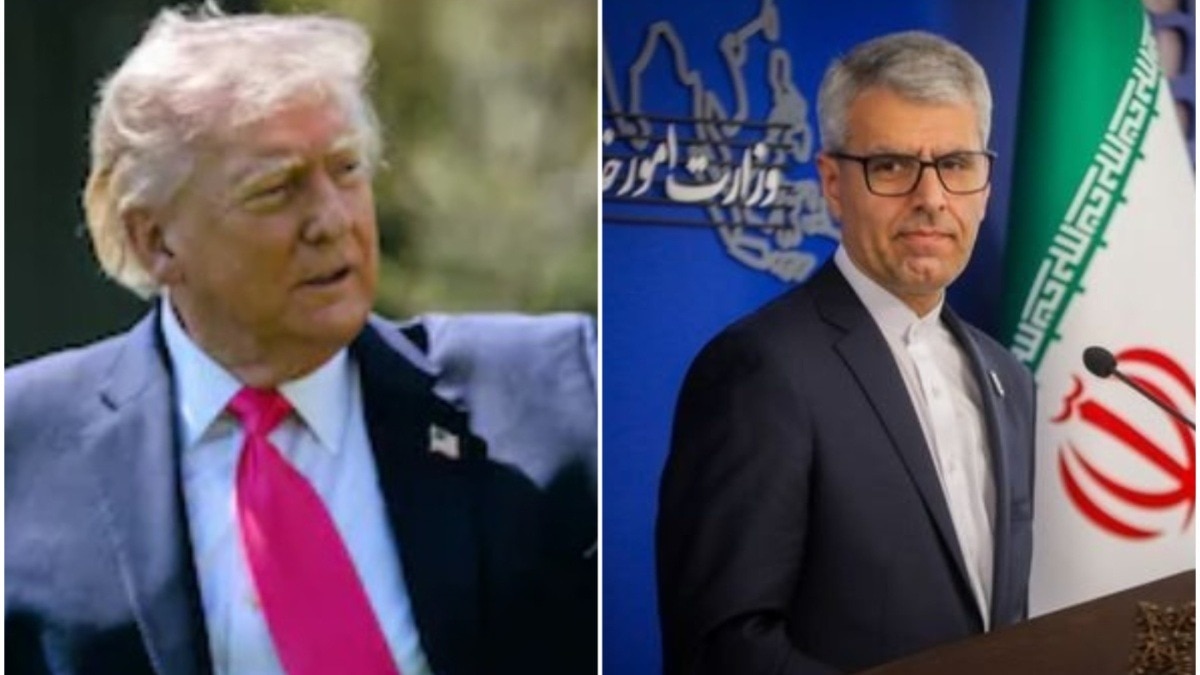
The meeting, confirmed by Oman’s Foreign Ministry on Sunday, took place on April 4 at the level of deputy foreign ministers, with specialists from both countries in attendance. The focus remained firmly on finding workable options to ensure vessels can move safely through the strait despite the ongoing regional conflict.
In its statement, Oman said the two sides discussed "possible options" to ensure smooth passage through the Strait of Hormuz under current conditions. It added that experts from both sides presented several proposals and ideas, which will now be studied further.
The development follows earlier remarks from Iran indicating that it is preparing a draft protocol aimed at regulating navigation in the strait. Tehran has signalled its intention to work with Oman on a joint framework to manage maritime traffic more effectively during the crisis.
LIMITED MOVEMENT AMID TIGHT CONTROLS
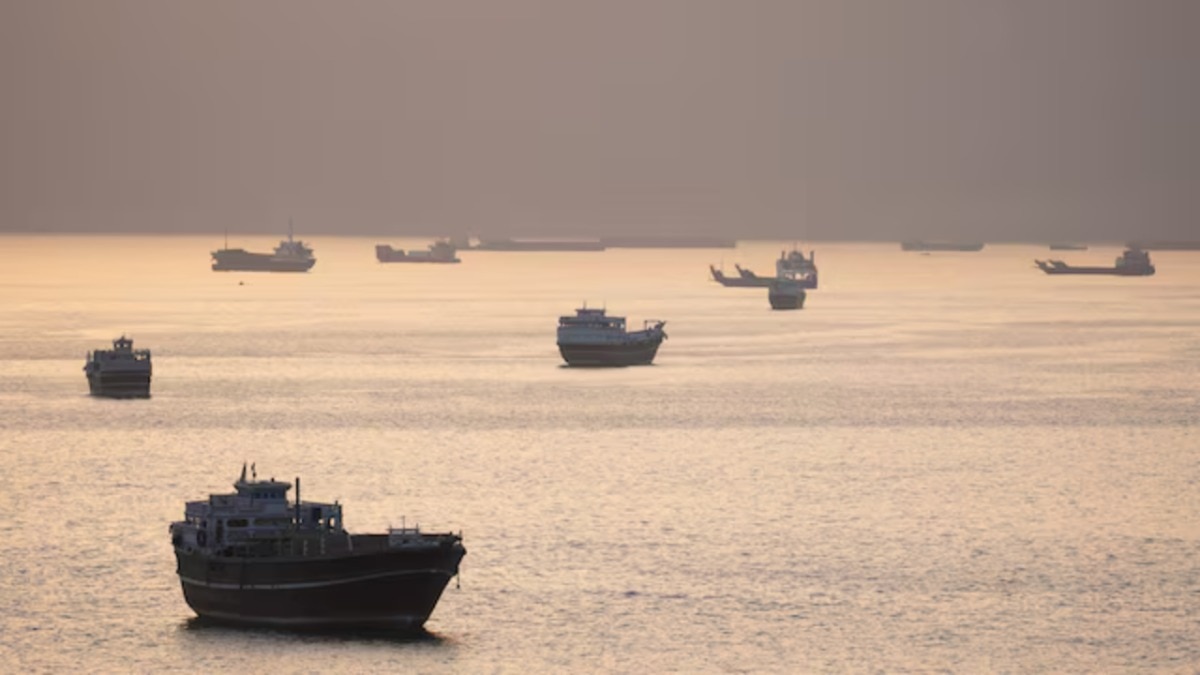
Even as discussions continue, activity in the strait remains restricted. According to shipping data cited by Reuters, a small group of Omani-linked vessels, including oil tankers and a liquefied natural gas carrier, moved through the passage under unusual routing patterns, sailing closer to the Omani coast rather than established corridors.
Iran has allowed selective transit in recent days, but the broader flow of vessels remains heavily constrained. Thousands of ships are still waiting for clearance, reflecting the scale of disruption caused since the conflict began.
TRUMP’S EXPLETIVE-LADEN RANT ON IRAN
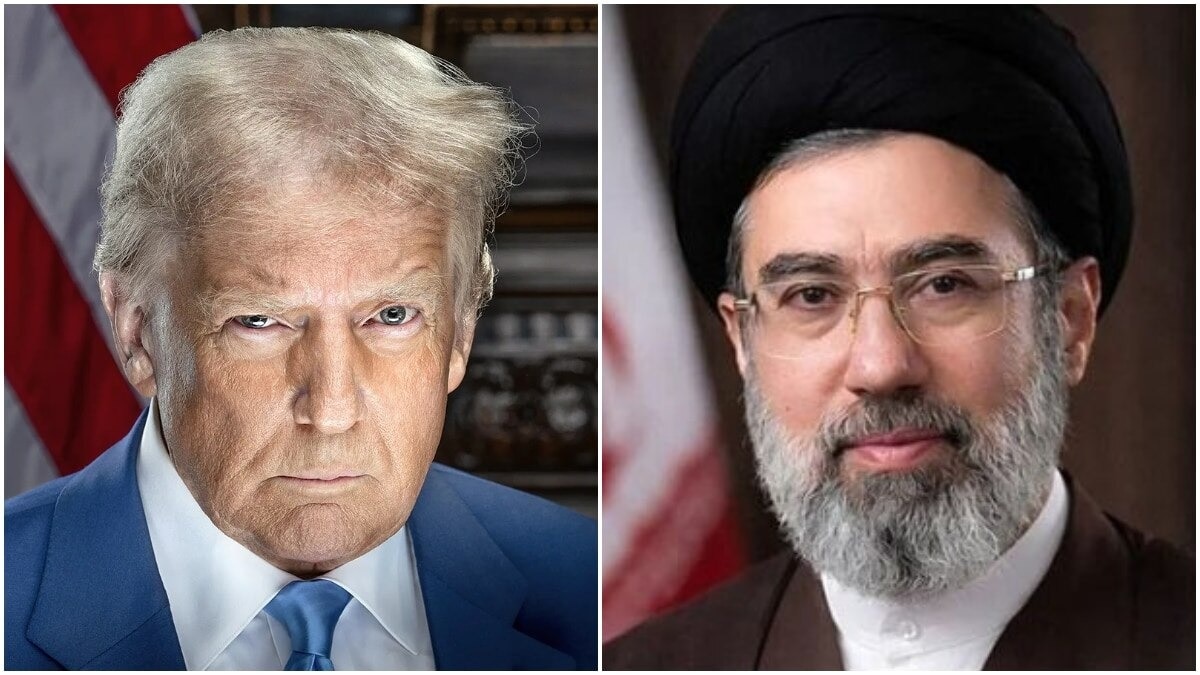
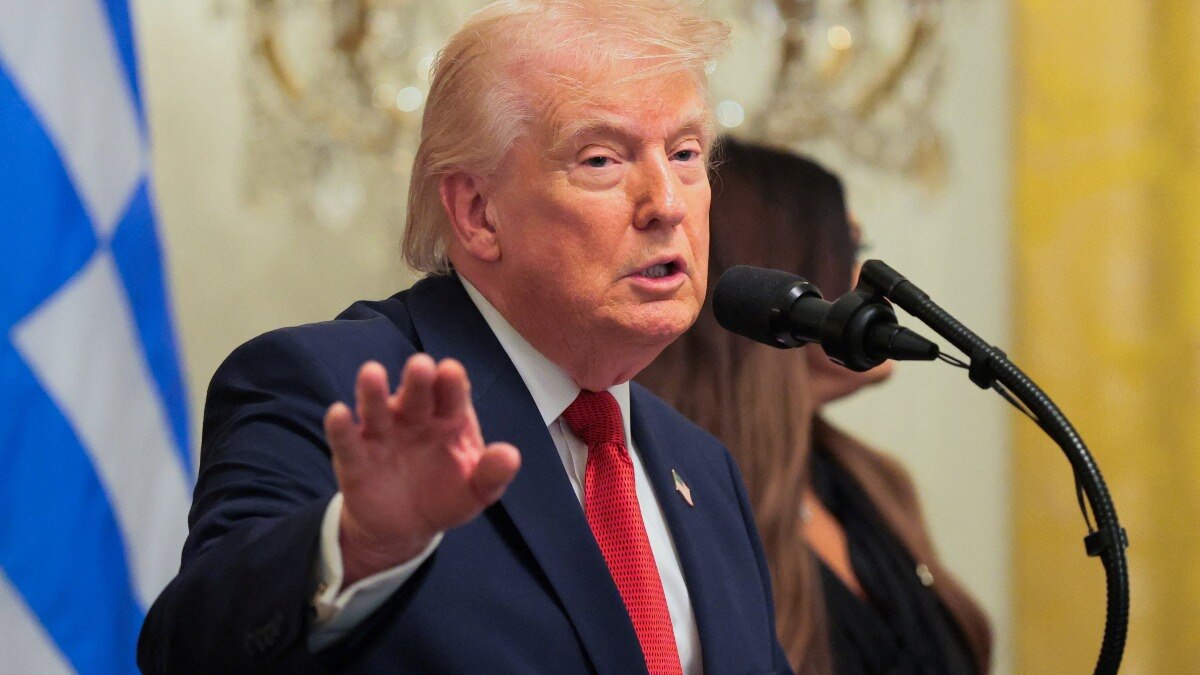
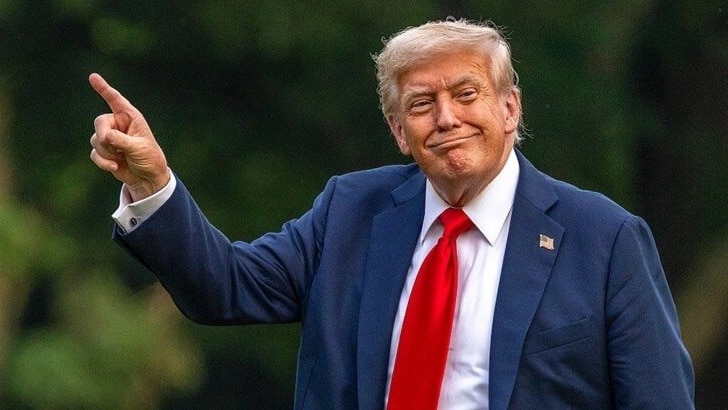
This comes against the backdrop of US President Donald Trump’s threat to strike Iran’s power plants and bridges on Tuesday if the Strait of Hormuz remains closed to maritime traffic. In an expletive-laden post, he warned that Iran would be “living in hell” if the waterway is not reopened.
"Tuesday will be Power Plant Day, and Bridge Day, all wrapped up in one, in Iran. There will be nothing like it!!! Open the Fu***ng Strait, you crazy ba***rds, or you’ll be living in Hell - JUST WATCH! Praise be to Allah. President DONALD J. TRUMP
The Strait of Hormuz continues to function as a bottleneck for global energy shipments, with oil and gas supplies struggling to move at normal levels. The route is a vital link between Gulf producers and markets in Europe and Asia, making any disruption immediately felt worldwide.
With transit slowed, global markets have already begun reacting. Energy prices have shown signs of volatility, and Asian countries dependent on imports are exploring alternative supply routes to cushion the impact.
- Ends
With inputs from agencies
Published By:
Satyam Singh
Published On:
Apr 5, 2026 21:27 IST
Tune In