 16 minutes ago
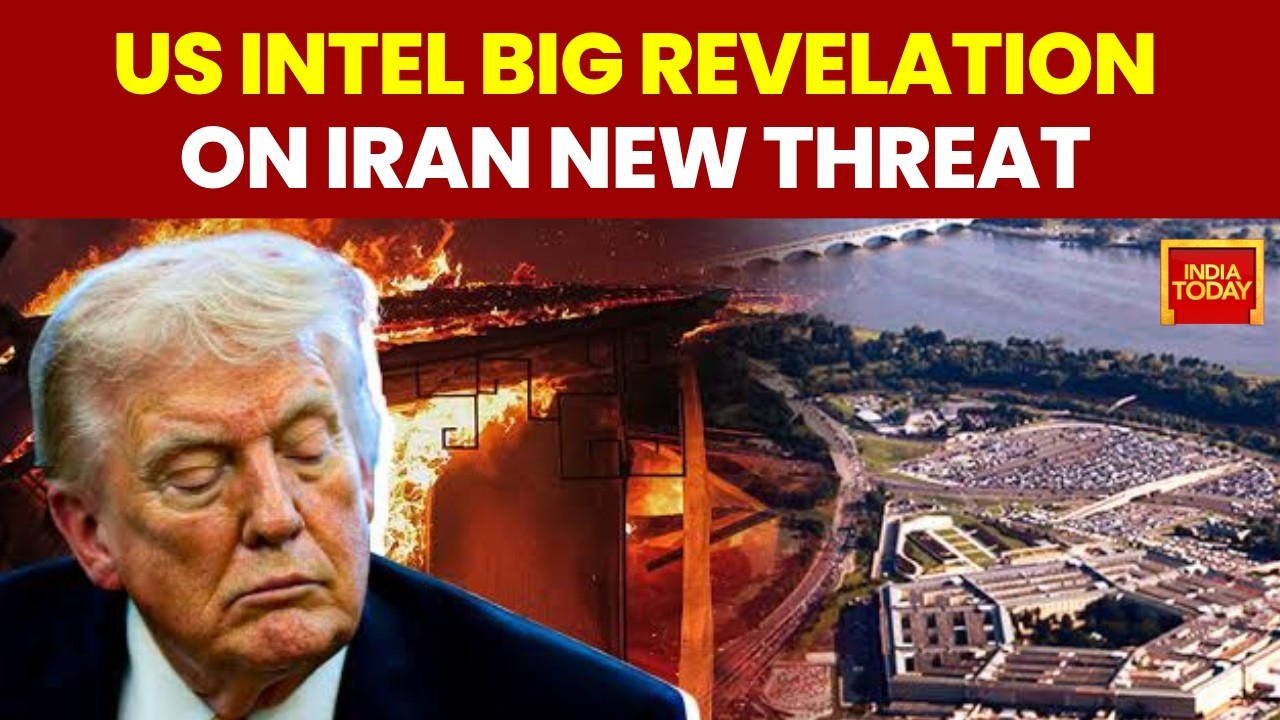
With diplomatic talks flagging and US President Donald Trump playing a game of "will he, won’t he" over launching fresh strikes on Iran, is Tehran considering unleashing a deadly ace up its sleeve? New intelligence suggests Iran is developing plans to detonate a "dirty bomb" or chemical weapon in Washington DC, CNN reported.
The report, citing seven US officials familiar with the latest intelligence, said Tehran's planning includes potential attacks on senior Trump administration officials. However, American officials currently view the efforts as an attempt by Iran to keep its options open, rather than an indication of an imminent attack.
There is also scepticism within the US administration over whether Iran has the personnel or capability to carry out such a plot. Still, two sources told CNN that the intelligence points to specific locations and targets, triggering a flurry of contingency planning in Washington.
The White House, meanwhile, sought to play down the threat. Responding to the report, spokesperson Lauren Bis told Newsweek that there were currently "no credible threats".
"We are monitoring any and all potential threats, but at this time there are no credible threats to the homeland," Bis said.
US officials have reportedly viewed the intel as a sign of Tehran's desperation to escalate the conflict as peace talks drag on and its economy crumbles. It suggests Iran is actively exploring the possibility of attacks on US soil.
"Whether they actually have the personnel in place to execute is a matter of debate," one US official told CNN.
TRUMP OFFICIALS FACE THREATS, MOVE TO MILITARY BASES
This comes amid reports of Iranian threats against senior US officials. Treasury Secretary Scott Bessent has already moved from his Washington-area home to a military base following threats to his life linked to Iran.
Bessent is the third member of Trump's Cabinet reported to have moved into military housing. Secretary of State Marco Rubio and Pentagon chief Pete Hegseth had also relocated amid security concerns. Attorney General Todd Blanche has reportedly been living at a military installation in the Washington DC, area for months.
Trump last week issued a stark warning to Tehran when asked how Washington would respond if Iran killed an American official.
"They will not exist any longer," the US President said.
What may be putting Tehran on edge is Trump’s mixed signals about the next phase of the conflict, alternately threatening further military action and declaring that the war is "effectively over".
Last week, he warned that US forces were "locked and loaded" and said Washington was monitoring Pickaxe Mountain, a facility linked to Iran's nuclear programme, for signs of activity.
Meanwhile, experts told CNN that the US remains particularly vulnerable to attacks involving unconventional weapons.
A dirty bomb, for instance, is relatively easy to assemble and does not necessarily require trained operatives to be smuggled into the country. Iran could persuade someone already living in the US to carry out an attack, analysts caution.
WHAT IS A DIRTY BOMB?
A dirty bomb, also known as a radiological dispersal device, uses conventional explosives to scatter radioactive material across an area.
Unlike a nuclear weapon, its primary danger is not the immediate blast or heat, but the radioactive contamination left behind. Such a device can contaminate buildings, agricultural land and water sources, potentially exposing people to harmful radiation and increasing the long-term risk of illnesses such as cancer and acute radiation syndrome.
Although it can cause significant disruption and public panic, a dirty bomb is not classified as a weapon of mass destruction.
CAN IRAN BUILD A DIRTY BOMB? WOULD IT USE IT?
Technically, dirty bombs can be assembled using commercially available radioactive materials, according to the US Nuclear Regulatory Commission. These include Caesium-137, used in radiotherapy; Americium-241, found in smoke detectors; and Cobalt-60, used to sterilise surgical equipment.
Iran certainly has the capability to build one. According to the Atomic Energy Agency, Tehran possesses 440 kilograms of uranium enriched to 60% uranium-235. While weapons-grade uranium is generally enriched to around 90%, nuclear expert Edwin Lyman has written in the Bulletin of the Atomic Scientists that uranium enriched to 60% could potentially be used in making a dirty bomb or a conventional nuclear weapon.
However, the likelihood of Tehran actually using such a device is questionable. Foreign Policy magazine reported in 2025, following the 12-day war with Israel, that the chances of Iran resorting to a dirty bomb were low. Such an attack could invite devastating retaliation, undermine confidence across the Gulf and wider Middle East, and alienate key partners such as China and Russia.
But the reported intelligence and Washington's contingency preparations underline how precarious the situation is.
- Ends