1 month ago
Forty days into the US bombing campaign, Iran maintains control over the vital Strait of Hormuz, reshaping regional power dynamics.
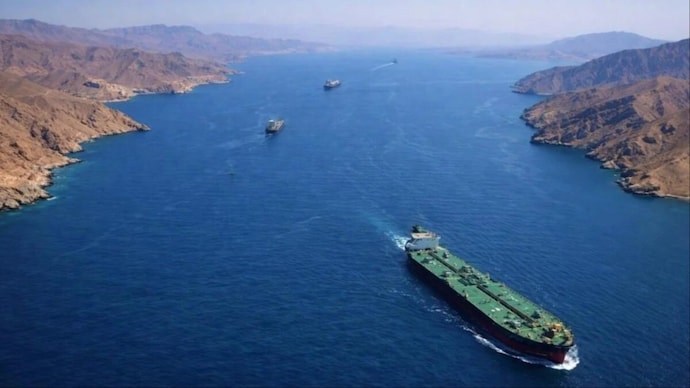
Forty days into the US bombing campaign, Iran maintains control over the vital Strait of Hormuz.

UPDATED: Apr 10, 2026 09:26 IST
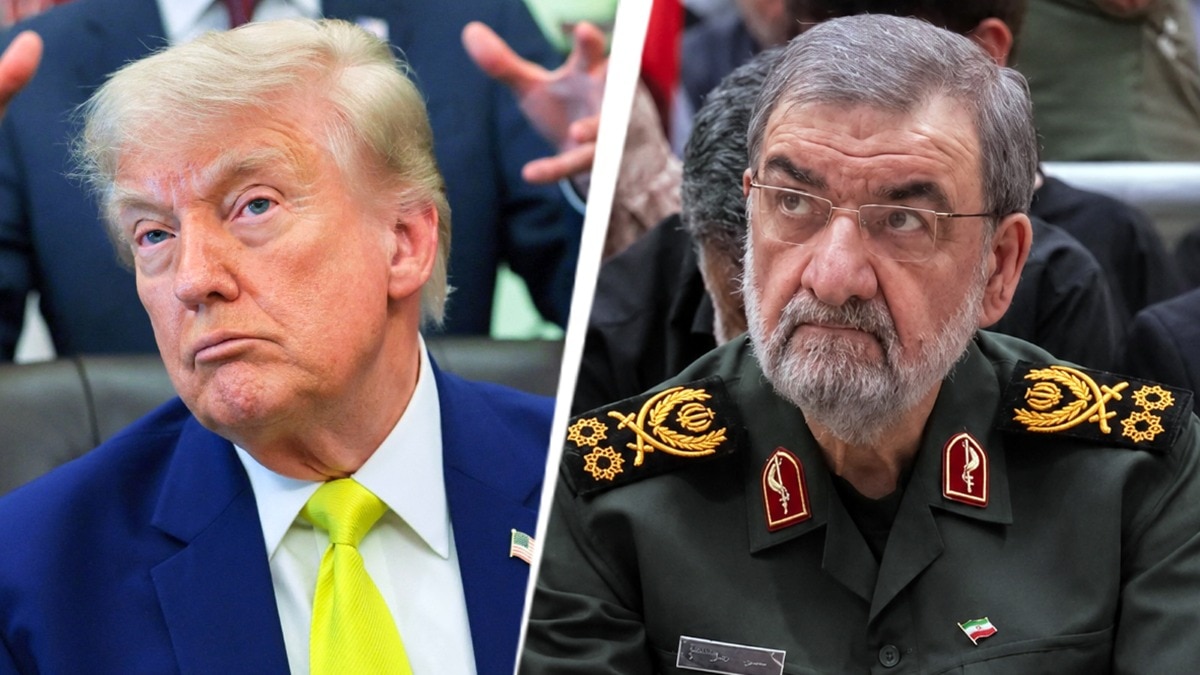
An April 8 New York Times scoop reveals how US President Donald Trump premised his attack on Iran on faulty intelligence and improper assessments. The NYT describes presentations by Israeli Prime Minister Benjamin Netanyahu on how swiftly the US and Israel could cause a regime collapse in a weakened Iran.
This led to Trump’s decision to start the bombing of Iran on February 28. The US and Israel 40-day air war, killed Iranian Supreme Leader Ayatollah Ali Khamenei and destroyed much of its air force and navy.
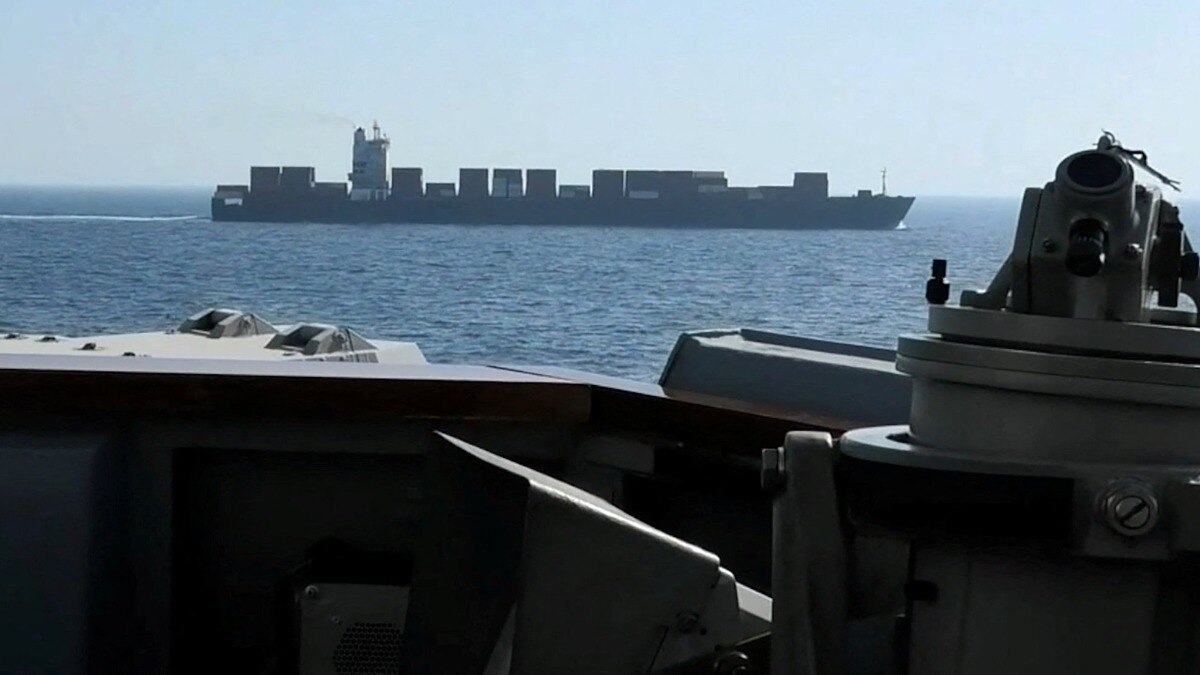
Forty days later, the war remains inconclusive. The US has bombed 13,000 Iranian targets, but has seen Iran block the Strait of Hormuz, through which 20 per cent of the world’s oil and natural gas passes through.
Iran has not opened the global energy lifeline even after a shaky April 8 ceasefire— it has re-directed vessel traffic closer to its shores, between the islands of Qeshm and Larak.
The asymmetries are staggering. A country with 11 carrier strike groups and 70 nuclear-powered submarines, the most powerful navy the world has ever known, is unable to coerce a country without a navy, to reopen a 33-kilometre maritime stretch.
The war that Iran has fought using cheaply produced drones and ballistic missiles, has exhausted the US stocks of interceptor missiles. The Payne Institute for Public Policy estimates the US expended 50 billion US dollars worth of ammunition, due to ‘unsustainable ammunition consumption rates and exorbitant replenishment costs’.
History never repeats, but it rhymes, Mark Twain once said. Here, the Iran War 2026 rhymes with the Iraq War 2003.
The US attacked Iraq in 2003 and toppled Saddam Hussein’s regime claiming the dictator was in league with Al Qaeda (this was two years post 9/11) and that he was developing chemical and biological weapons of mass destruction (WMDs) with a ’45-minute’ deployment capability.
In echoes of 2026, these assessments were based on flawed intelligence. In reality, Saddam Hussein had dismantled his WMDs. The US plunged into a decade-long Iraqi counterinsurgency where it spent over 2 trillion dollars, lost 4,431 soldiers, and in which at least 200,000 Iraqi civilians were killed.
"Look at the war in Iraq and the mess that we're in,” Trump said in a 2004 interview with Esquire magazine.
When the US withdrew from Iraq in 2011, the biggest victor was Iran. Saddam, a Sunni Arab ruling a Shia majority Iraq, was a sworn enemy and had fought an eight-year war with Iran until 1988.
With Saddam gone, Iran quietly beefed up a Shia arc of influence, Syria-Iraq-Iran, when you could drive from the shores of the Mediterranean to the Arabian Sea without crossing a single Sunni Muslim-ruled country.
Troops and missile technology moved across this corridor as the IRGC propped up Bashar Al Assad in Syria, strengthened Hezbollah in Lebanon and built up the Houthis in Yemen.
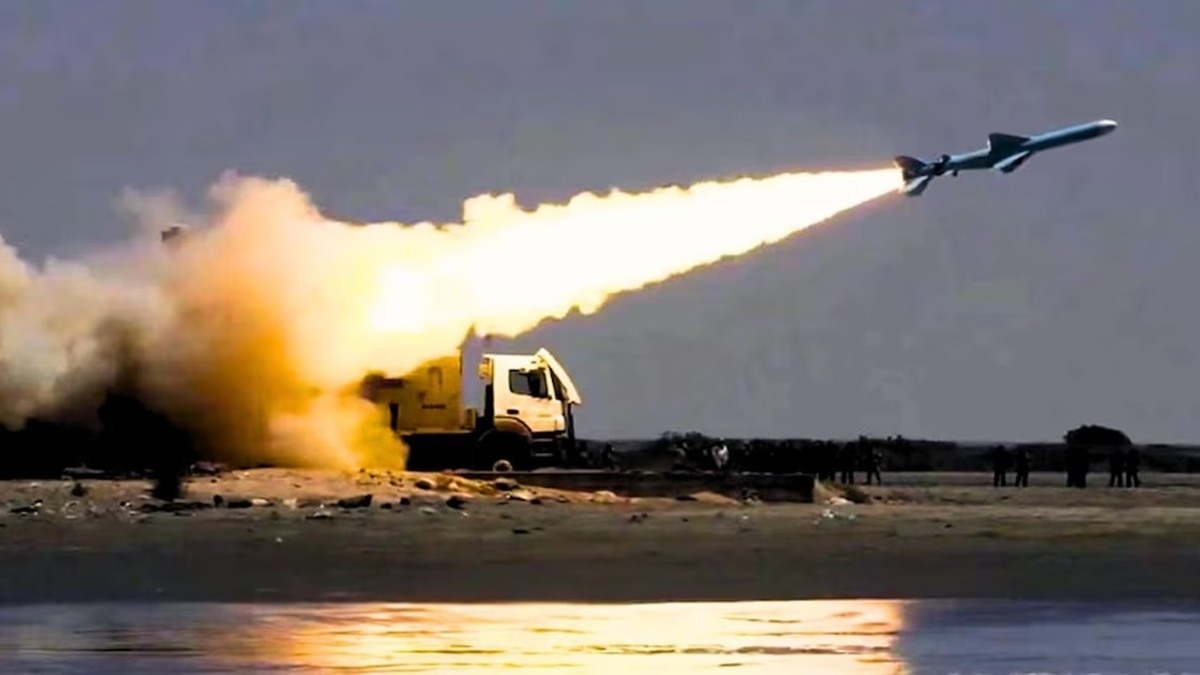
Iran also prepped for a US invasion by accelerating its ballistic missile and drone program and mastering tunnelling technology, creating underground ‘missile cities’ and burying nuclear enrichment plants into the earth, below the range of US bombs.
Tehran’s trump card was in the sea, and at merchant ships, the backbone of global trade, with ships carrying 80 per cent of all goods traded worldwide.
Iran mastered the ability to interdict three of the world’s seven maritime choke points — Hormuz, Bab el Mandeb and the Suez Canal. This put the entire Arabian Peninsula, which produces nearly a third of the world’s energy, oil and gas, under Iranian control.
US and Israeli intelligence believed their bombing campaign would collapse the regime before it moved towards options like closing the strait. In reality, Iran had already emplaced contingency plans. Apart from attacking US bases in West Asia, they swiftly mined and shut the strait.
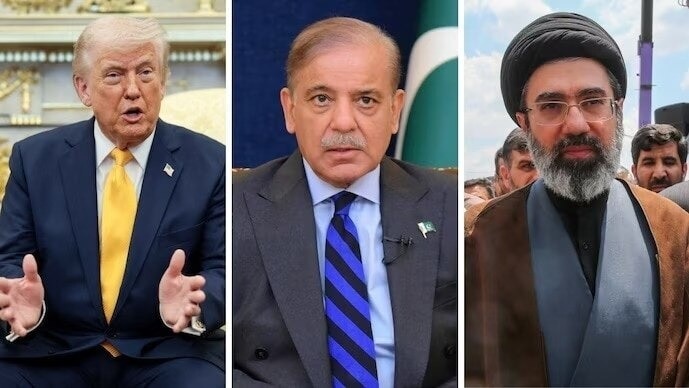
An Iranian pre-condition in the peace talks beginning in Islamabad on April 11, adds insult to injury. Iran says the strait will remain under its control. A strait which was open to the world before February 28 is now under de facto Iranian control.
Iran is believed to be contemplating turning the strait into a toll road which could generate between 70 and 80 billion USD annually if a suggested 1 USD per barrel fee is applied to oil shipments. This revenue could exceed Tehran’s traditional oil export earnings, estimated at 139 million USD per day.
"Today, the position of the sanctioner and the sanctioned has been reversed. A very powerful tool is now in the hands of our country, and that is control of the Strait of Hormuz," Iranian economist Hossein Raghfar told the Tasnim news agency on March 30.
In 2026, if there is one concrete achievement the businessman-turned-US President has to show in West Asia, it is that Iran has firmly entrenched itself in a strait and created a new revenue stream for itself.
- Ends
Published By:
Karishma Saurabh Kalita
Published On:
Apr 10, 2026 09:26 IST
Tune In