1 month ago
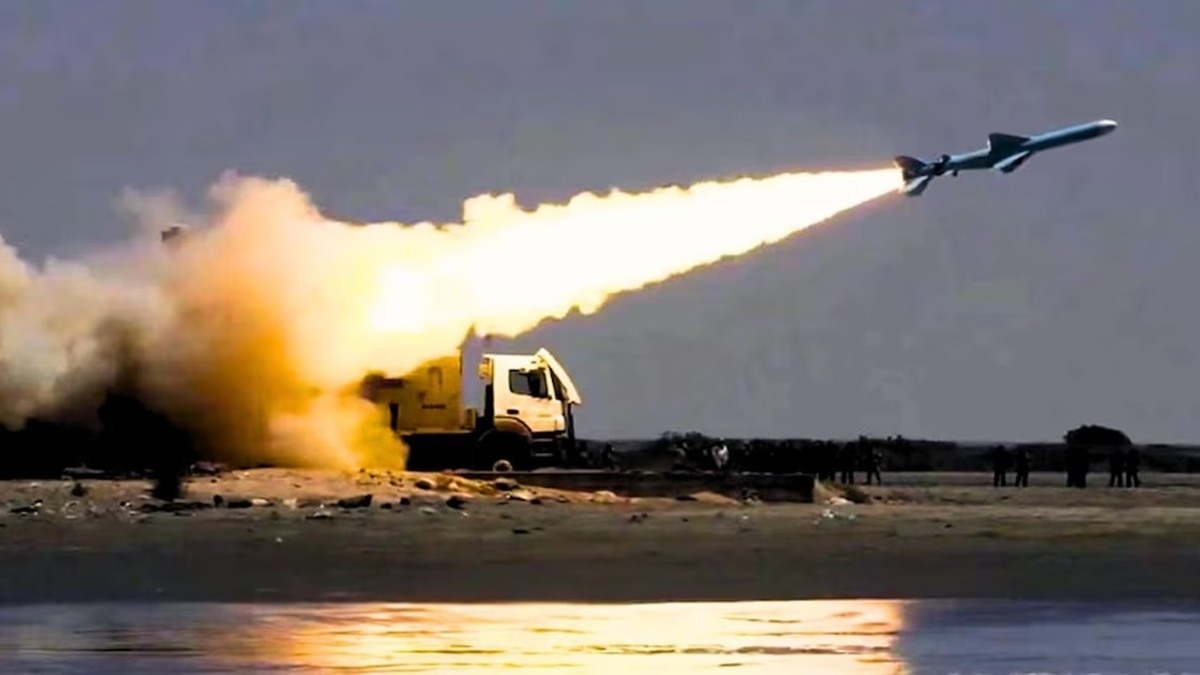
The attack drones used by Iran cost roughly USD 35,000 to produce. In fact, the relatively inexpensive Shahed drones – estimated to cost between USD 20,000 and USD 50,000 depending on the model – have been widely used in the conflict by Iranian forces.
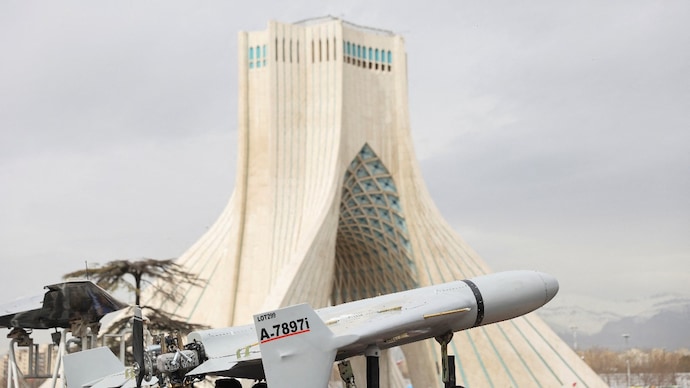
A Shahed drone on display in Tehran, Iran. (Reuters photo)

New Delhi,UPDATED: Apr 19, 2026 09:20 IST
Iran has given the United States, considered one of the most powerful nations in the world, a run for its money by heavily relying on cheap suicide drones, made with commercial-grade technology, to alter the battlefield dynamics in the ongoing Middle East conflict.
A key takeaway from the war is that Iran has emerged as a more capable adversary than many had anticipated. Beyond its willingness to take the offensive, it has forced the US and its regional allies to confront the growing impact of inexpensive drones in modern warfare, according to the New York Times.
The optics of Iran countering the US military campaign with these unmanned aerial vehicles (UAVs) has unarguably damaged the narrative of the unmatched American military might.
The attack drones used by Iran cost roughly USD 35,000 to produce. In fact, the relatively inexpensive Shahed drones – estimated to cost between USD 20,000 and USD 50,000 depending on the model – have been widely used in the conflict by Iranian forces.
The Shahed UAVs have proven their capability to oversaturate air defence systems and inflict painful damage. And while the Iranian-made drone flies slowly at 180 kmph, it can range as far as 2,000 kilometres and carry a relatively big load of 40 kilograms of explosives.
These figures represent a fraction of the cost of the high-tech military interceptors that are sometimes used to shoot them down. In fact, intercepting Iranian drones has forced the US and its allies in the Middle East to spend millions of dollars on air defence systems.
The US spent as much as USD 11.3 billion during the initial six days of the war alone. In just the first week of the armed conflict, Iranian military launched more than 1,000 drones.
While the White House and the Pentagon have yet to release updated war-related figures, the American Enterprise Institute think tank, which leans conservative, estimated in early April that total US spending on the war had reached roughly $25 billion to $35 billion, with interceptor systems accounting for a large share of the expenses, per the NYT.
Interceptor drones are being increasingly considered as the most viable option for the US to effectively counter Iran's UAVs. The Pentagon sent thousands of Merops Surveyor drones to the Middle East following the outbreak of the war with Iran, but it remains unclear whether the units were deployed or not. This particular drone model is, theoretically, able to take down incoming hostile projectiles from a short range, the NYT noted.
- Ends
(With inputs from agencies)
Published On:
Apr 19, 2026 09:20 IST
Tune In