 2 weeks ago
Iran is pushing trade through Turkiye and Pakistan as a US blockade chokes its sea routes. The shift is exposing weak border capacity and deepening pressure on truckers and the wider economy.

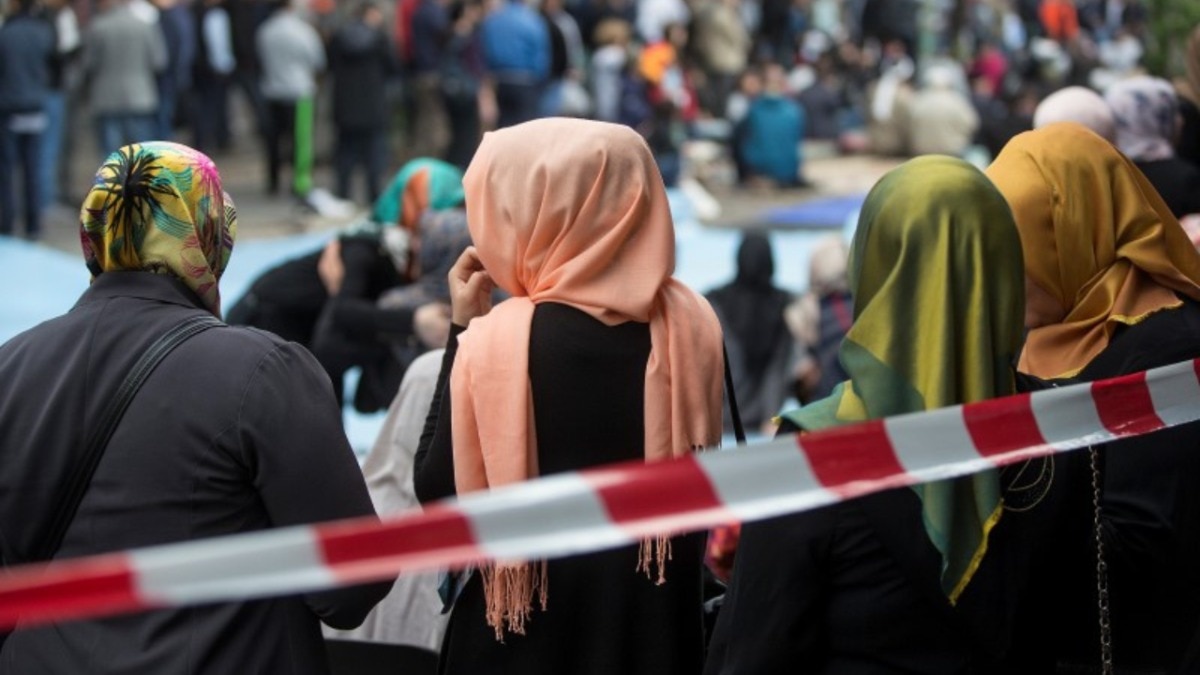
Image used for representational purposes only

Istanbul,UPDATED: Sep 24, 2026 10:32 IST
Iran is trying to speed up overland trade through its borders with countries such as Turkiye and Pakistan as a US naval blockade limits most imports through its ports and cuts off oil and gas sales. At the Grbulak crossing on the Turkiye border, long queues of trucks now underline how important land routes have become for Tehran.
The shift has also exposed severe pressure on border infrastructure and transport workers. Truckers are reporting waiting times of several days at the Turkiye crossing and even longer delays on the Iranian side, while officials and experts say land routes cannot fully make up for the loss of sea trade.
Iranian President Masoud Pezeshkian has pushed for faster overland trade as the blockade tightens pressure on the economy. Iran has accused the US of trying to weaken the country. “They are trying to create difficulties wherever they can, and they are holding nothing back. They are closing off routes, shutting down air routes, blocking land routes and trying to fuel internal divisions,” Pezeshkian said on Tuesday. Iran has also said the pressure will not change its position in talks with Washington, and that it wants the US blockade to end before it allows commercial shipping to move again through the Strait of Hormuz.
Before the war, more than 80 per cent of Iran’s trade depended on the gulf, according to economist Mohammad Farzanegan. He said the country now faces a major challenge in moving trade from sea to land. The crossings with Turkiye in the west and Pakistan in the east have become key links with Europe and Asia, carrying goods needed for Iran’s petrochemical sector and other manufacturing that were damaged in US and Israeli strikes. But Farzanegan said limited logistics and border capacity, along with regulations, border controls and corruption, mean overland trade “would not basically be able to substitute or compensate for the blockade”.
At the Grbulak crossing, truck waiting times have increased more than fourfold since the war began, according to the Transporters Association in Turkiye. Amir Roshanbakhsh Ghanbari, deputy head of an Iranian government agency that promotes trade, said the number of trucks at the border had risen sharply. “Instead of 200 trucks, there are 1,200 trucks at the border, and the destination country does not have the capacity to accept this number of trucks,” he told the semi-official outlet ILNA. He also said neighbouring countries were hesitant to expand infrastructure because “it is not clear how long this situation will continue”. An AP reporter at the crossing on Tuesday saw road work for extra lanes, while two local road authority staffers said Turkiye was improving border infrastructure under a three-year-old plan.
Drivers at the border described the impact of the delays. Muhammed Riza Shiri, 55, who was carrying rubber into Iran, said he had waited four days. “I’ve been driving through this border gate for 15 years. I’ve never had to wait as long as now,” he said. “We had to wait at the end of a seven-kilometre line. We used to wait, maximum, for three days here. Because of the war, the waiting times exceed five days.” Akbar Sadigi, 42, from Tabriz, said the delays had cut his trips from twice a month to once a month. “I make half of what I used to make because of this,” he said, adding that fuel prices for his truck had risen by 25 per cent in Iran since his last trip. He also alleged unfair treatment in the queue, saying, “Some Turkish drivers can bribe and get ahead of the line. Our money is worth nothing here. We can’t do that.”
A Telegram channel linked to groups representing Iranian truckers and other transport drivers has carried messages protesting the conditions. One message said, “With the rising costs, increased maintenance expenses, high prices for tyres and parts and, on the other hand, reduced cargo loads and decreased driver income, it has become very difficult for many of us to continue working,” and warned that truckers “will not remain silent in the face of this increased pressure on drivers”. Drivers said the customs line on the Iranian side was even longer, with waiting times in the past month ranging from 12 to 25 days. Many blamed tighter inspections by Turkish authorities of trucks leaving Iran. Akbar Yahyai, an Iranian driver waiting at the crossing with loads ranging from machinery parts to chemical components, said he had been waiting four days. “It’s a shame for us drivers here. There is no toilet or shower we can use here while waiting. You can see it from how we look and smell,” he said, adding that he barely made enough money to eat.
The wider economic pressure is also mounting. Iran’s statistics agency said the economy shrank by more than 10 per cent in the three months after the Iranian calendar year began on March 20, compared with the same period a year earlier, while the non-oil economy contracted by 4.6 per cent. Since the US and Israel launched their war on Iran on February 28, the rial has weakened and inflation has risen. Officials in Iran and neighbouring countries say they are trying to improve border flows. Ersin Simsek of the Transporters Association said Turkish customs had reduced waiting times for vehicles coming from Iran from 30 days to 22 days by increasing lanes at fuel measurement stations and doubling X-ray scanners. On the Pakistan border too, drivers have reported delays, but Iranian Interior Minister Eskandar Momeni said this week that the two countries plan to keep crossings open round the clock and also open a new crossing at Kuhak.
As Iran tries to replace blocked sea routes with land trade, the crossings with Turkiye and Pakistan have become critical but remain under heavy strain. For now, officials are trying to ease the bottlenecks, while drivers continue to face long waits, higher costs and lower earnings.
With PTI Inputs
- Ends
Published By:
India Today Web Desk
Published On:
Sep 24, 2026 10:32 IST