1 month ago
Last Updated:January 09, 2026, 07:53 IST
Iran imposed a nationwide internet and communications blackout as protests spread across cities, with rights groups alleging a deadly and escalating crackdown.

People walk as shops are closed during protests in Tehran's centuries-old main bazaar, Iran (Photo: AP)
Iran was plunged into a nationwide communications blackout on Thursday night as authorities cut internet access and international telephone calls amid the largest wave of protests in nearly two weeks.
The demonstrations are believed to have claimed at least 42 lives, as the country’s former Crown Prince, Reza Pahlavi, on Sunday voiced support for protesters against Supreme Leader Ayatollah Ali Khamenei and the ruling establishment.
Internet watchdog NetBlocks said that “live metrics show Iran is now in the midst of a nationwide internet blackout," while the Associated Press reported that attempts to connect calls from abroad failed as the government severed links.
Such shutdowns, rights groups and analysts note, have historically coincided with intensified crackdowns by the state.
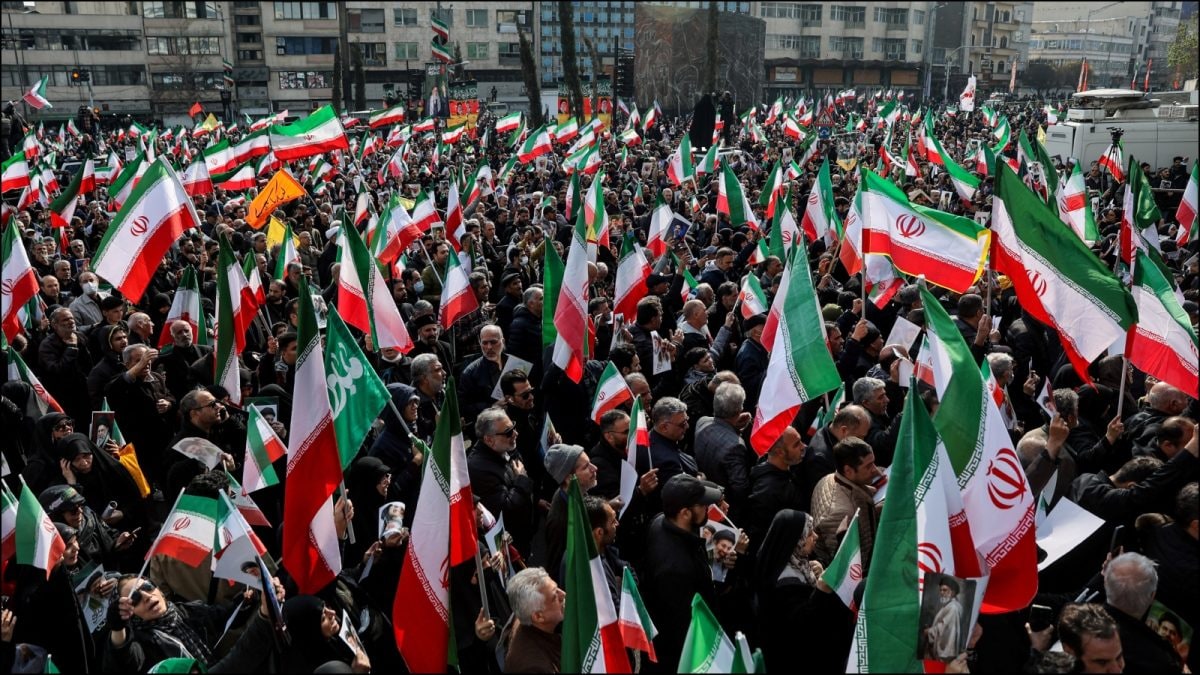
The blackout came as demonstrations expanded in scale and intensity across the country, with crowds pouring onto streets, chanting from rooftops and windows, and confronting security forces in multiple cities.
PROTESTS IN IRAN AMID ECONOMIC CRISIS
According to AFP, the protest movement began on December 28 after Iran’s rial currency plunged to record lows, triggering a shutdown of Tehran’s historic bazaar.
What started as economic anger has since spread nationwide, morphing into broader demonstrations against the clerical leadership.
According to AFP, rallies have been held in cities across Iran, including Tehran, Abadan and Isfahan, despite mounting security pressure.
The unrest has troubled authorities already grappling with an economic crisis after years of sanctions, and while recovering from the June war against Israel.
CLASHES, ARSON, AND SYMBOLS OF DEFIANCE
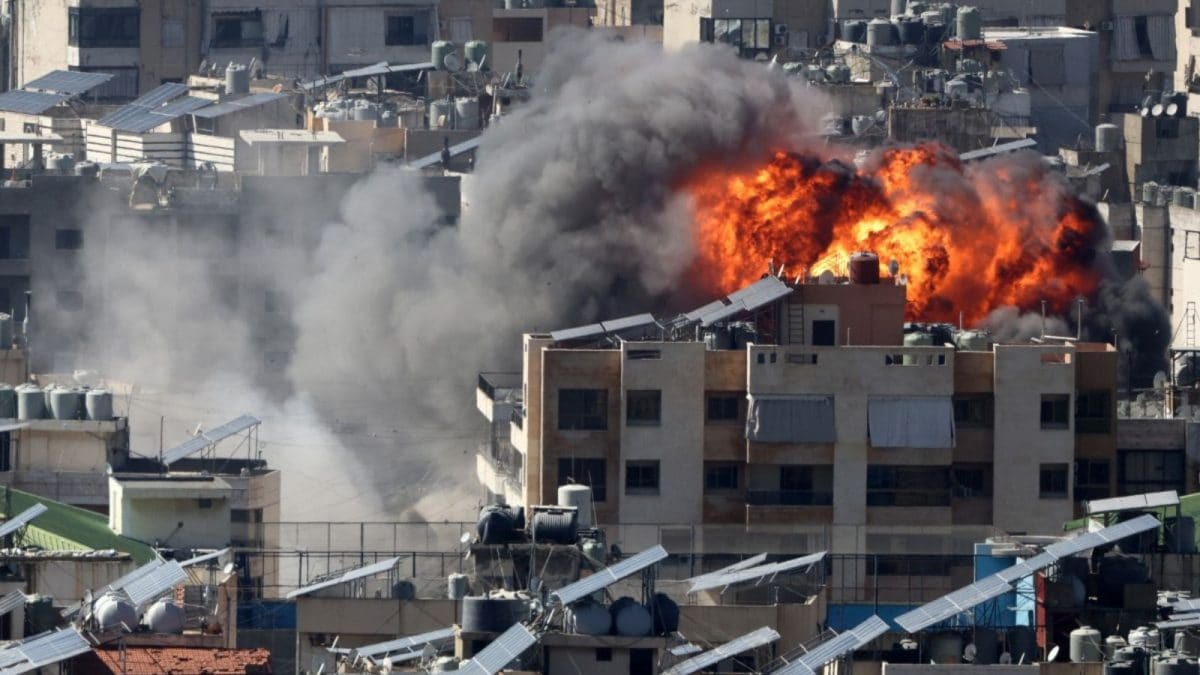
Multiple incidents of violence and symbolic defiance were reported as protests intensified.
Iran English reported that a building linked to the Islamic Revolutionary Guard Corps (IRGC) was set on fire in Isfahan.
In Tehran, protesters reportedly attacked security forces and torched their vehicles.
Videos from the western city of Khorramabad showed demonstrators raising the Lion and Sun flag from the pre-Islamic Revolution era and setting fire to the local governor’s office, according to Iran English.
In another AFP-verified video, protesters in Kuhchenar, in southern Fars province, were seen cheering overnight as they pulled down a statue of former IRGC foreign operations commander Qassem Soleimani, who was killed in a US strike in January 2020.
Chants included “Death to the dictator!", “Death to the Islamic Republic!" and slogans such as “Pahlavi will return" and “Seyyed Ali will be toppled," referring to Supreme Leader Ayatollah Ali Khamenei.
REZA PAHLAVI CALLS PROTESTS A TURNING POINT
Exiled opposition figure Reza Pahlavi, son of the shah ousted in the 1979 Islamic Revolution, claimed the protests marked a historic moment.
“Iranians demanded their freedom tonight. In response, the regime in Iran has cut all lines of communication," Pahlavi said, according to AP.
“It has shut down the Internet. It has cut landlines. It may even attempt to jam satellite signals."
In a separate statement cited by Iran English, Pahlavi said “millions of Iranians demanded their freedom tonight" and thanked “the leader of the free world, President Donald Trump, for reiterating his promise to hold the regime to account."
He also urged European leaders to join Washington in acting against Tehran, calling on them to use “all technical, financial, and diplomatic resources available to restore communication to the Iranian people," adding, “Do not let the voices of my courageous compatriots be silenced."
RIGHTS GROUPS ALLEGE UNLAWFUL FORCE, DEATH TOLL UNCLEAR
Human rights groups have accused Iranian security forces of escalating violence against largely peaceful demonstrators.
Amnesty and Human Rights Watch said in a joint statement that security forces, including the IRGC and the police force known as FARAJA, have used “unlawful force," including rifles, shotguns loaded with metal pellets, water cannons, tear gas and beatings, alongside mass arbitrary arrests.
The Norway-based NGO Iran Human Rights (IHR) said at least 42 protesters, including eight minors, have been killed since the demonstrations began, with Wednesday described as the bloodiest day, when 13 protesters were confirmed dead.
“The evidence shows that the scope of the crackdown is becoming more violent and more extensive every day," said IHR director Mahmood Amiry-Moghaddam, according to AFP.
Iranian authorities, however, have reported lower figures.
AFP said Iranian media and official statements have acknowledged at least 21 people killed since the unrest began, including members of the security forces.
SECURITY CASUALTIES AND OFFICIAL RESPONSES
Iranian officials have highlighted attacks on security personnel.
Reports suggested that an Iranian police officer was killed west of Tehran while trying “to control unrest".
AP cited judiciary-linked Mizan news agency as saying a police colonel died of stab wounds outside Tehran, while Fars news agency reported that gunmen killed two security force members and wounded 30 others in a shooting in Lordegan.
Despite the violence, President Masoud Pezeshkian struck a conciliatory note, calling for “utmost restraint" in dealing with demonstrations and saying “any violent or coercive behaviour should be avoided".
Germany’s foreign minister, meanwhile, condemned the “excessive use of force" against protesters.
JD VANCE VOICES US BACKING FOR PEACEFUL PROTESTS
US Vice President JD Vance on Thursday expressed support for the Iranian people amid the ongoing protests, saying Washington stands by those “who are engaged in peaceful protests and trying to exert their rights for free association."
Speaking to reporters at the White House, Vance said the United States would stand by the citizens of Iran, framing the unrest as a matter of basic civil liberties rather than geopolitical confrontation.
Asked whether the US would take part if Israel were to decide to strike Iran’s nuclear sites, Vance avoided a direct answer, reiterating instead that Washington’s position was to support peaceful protest and encourage diplomacy.
He said the “smartest thing" for Iran would be to enter negotiations with the United States over its nuclear programme, underscoring that dialogue, rather than escalation, remained the preferred path.
INTERNATIONAL WARNINGS AND RISING PRESSURE
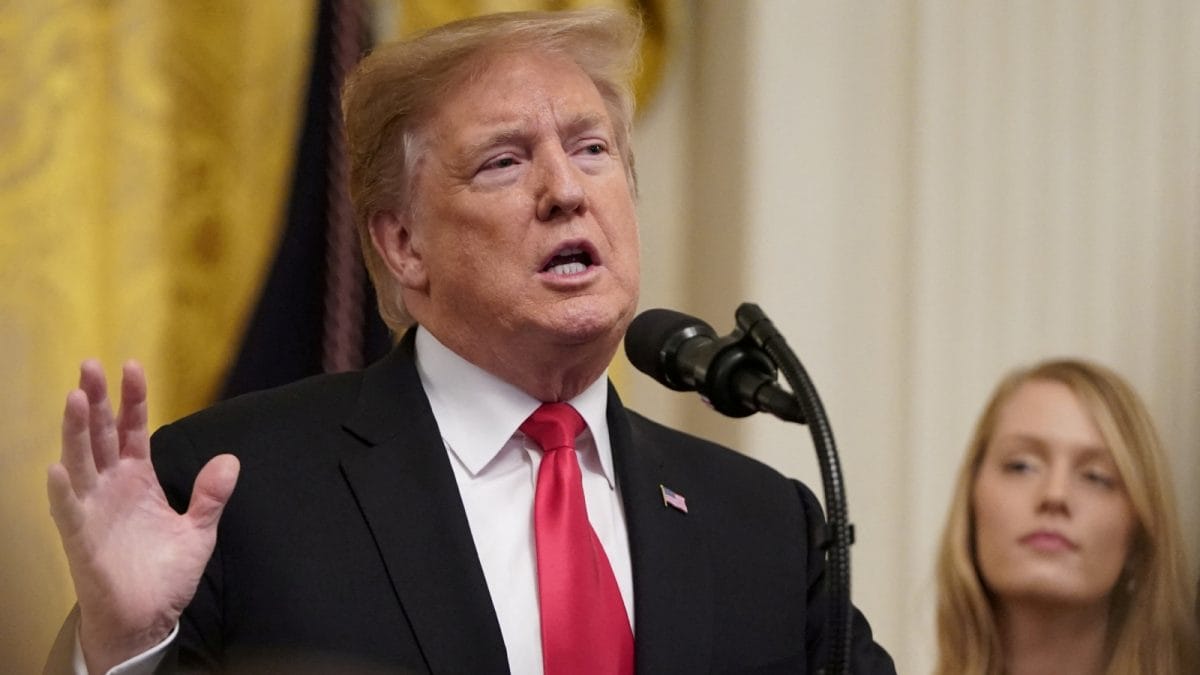
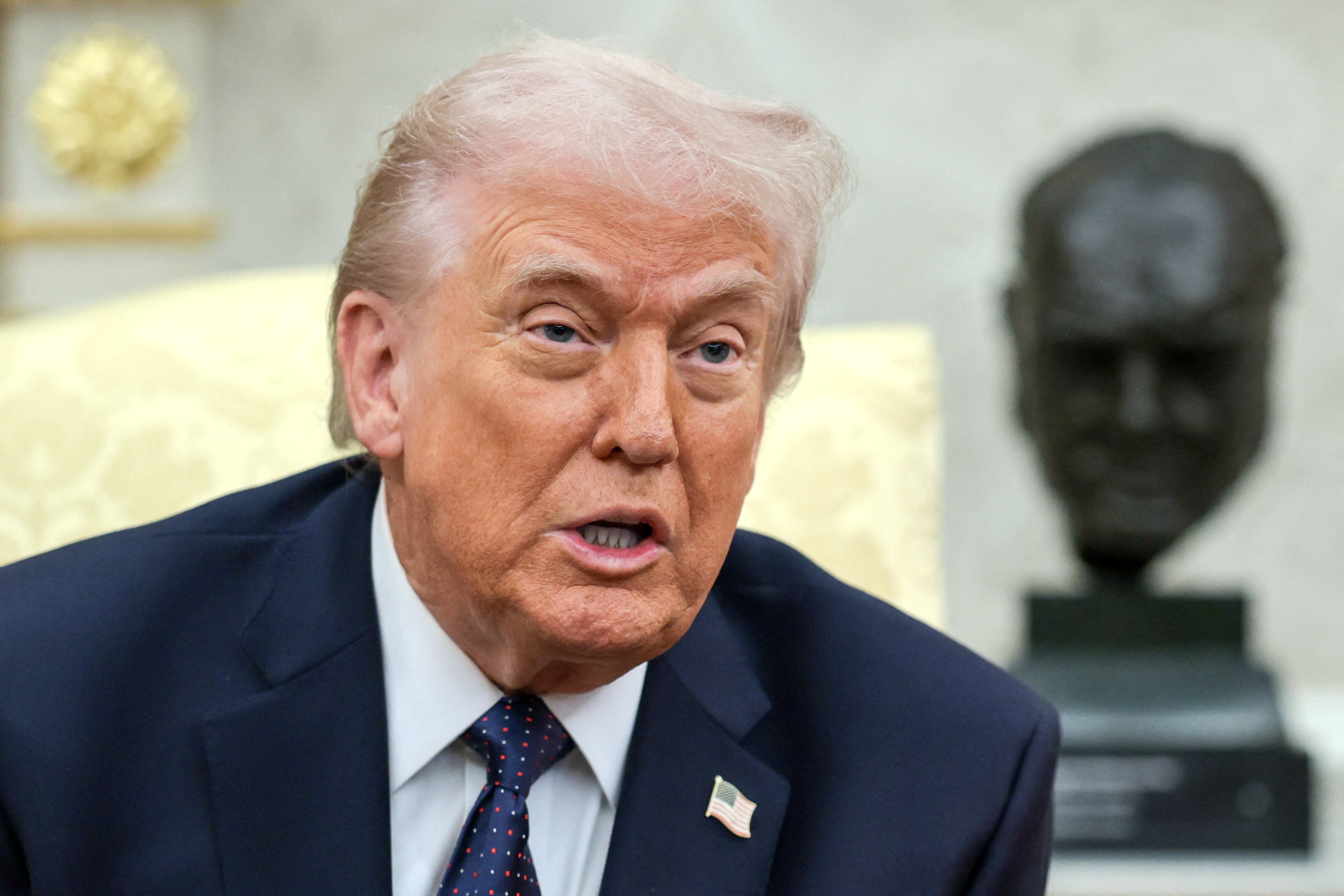
Donald Trump warned Tehran of severe consequences if authorities escalated the crackdown.
AFP reported that Trump threatened to take action if Iran’s leaders “start killing people," saying Washington would “hit them very hard."
Speaking separately to a US talk show host, Trump reiterated that Iran had been warned it would “have to pay hell" if it violently suppressed peaceful protesters.
As protests continue under blackout conditions, reports mention that the movement remains largely leaderless, even as support for pre-revolution symbols and chants grows.
First Published:
January 09, 2026, 07:51 IST
News world Iran Under Internet Blackout After Exiled Prince's Anti-Khamenei Protest Call; 42 Deaths Reported
Disclaimer: Comments reflect users’ views, not News18’s. Please keep discussions respectful and constructive. Abusive, defamatory, or illegal comments will be removed. News18 may disable any comment at its discretion. By posting, you agree to our Terms of Use and Privacy Policy.
Read More