1 month ago
Last Updated:January 09, 2026, 08:10 IST
Iran has imposed a nationwide internet blackout as protests over economic hardship and political grievances spread, with at least 42 people reported dead.

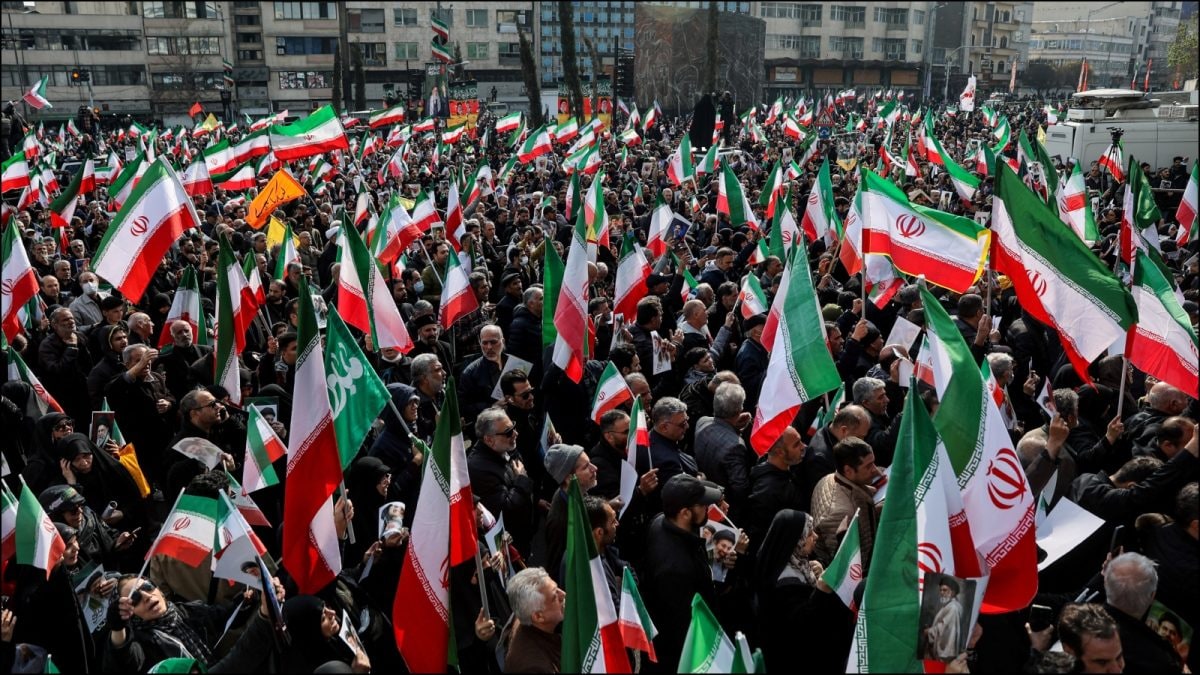
Protesters march on a bridge in Tehran/People walk as shops are closed during protests in Tehran's centuries-old main bazaar (Photos: AP)
Iran plunged into a nationwide internet and communications blackout on Thursday night as protests demanding political and economic change spread across the country.
According to the US-based Human Rights Activists News Agency, at least 42 people have died amid clashes between security forces and demonstrators.
Online watchdog NetBlocks reported that “live metrics show Iran is now in the midst of a nationwide internet blackout," while attempts to connect to international telephone lines also failed.
The blackout coincided with mass demonstrations called by exiled opposition leader Reza Pahlavi, who said “millions of Iranians demanded their freedom tonight" and thanked “the leader of the free world, President Trump, for reiterating his promise to hold the regime to account."
PROTESTS SPARKED BY ECONOMIC CRISIS, POLITICAL DISSATISFACTION
The current wave of unrest began on December 28, following a sharp collapse of the rial to record lows, which disrupted markets and livelihoods.
AFP reported that the protests started with a shutdown of the Tehran bazaar and have since spread nationwide, including cities such as Tehran, Isfahan, Abadan, Khorramabad, Kermanshah, and Lorestan.
Demonstrators have voiced frustration over Iran’s worsening economic situation, rising inflation, and declining purchasing power, but the unrest has increasingly assumed a political dimension, with chants against the ruling clerics and slogans such as “Death to the dictator!" and “Pahlavi will return!" observed in several locations, according to the Associated Press.
CLASHES, ARSON, AND SYMBOLS OF DEFIANCE
Multiple incidents of violence and symbolic defiance were reported as protests intensified.
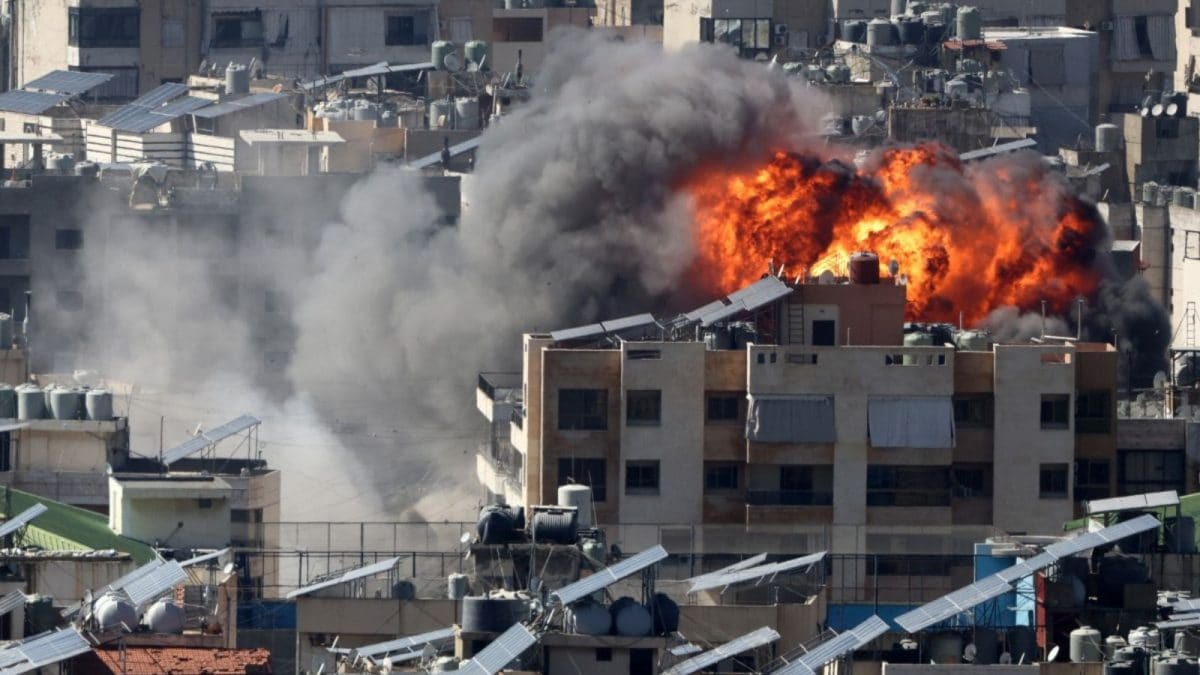
Iran English reported that a building linked to the Islamic Revolutionary Guard Corps (IRGC) was set on fire in Isfahan.
In Tehran, protesters reportedly attacked security forces and torched their vehicles.
DISPUTED DEATH TOLL AMID VIOLENT CLASHES
While the Human Rights Activists News Agency and Iran Human Rights have reported 42 deaths and over 2,270 arrests since the protests began, Iranian state media and official sources have cited lower figures.
AFP noted that official statements confirm at least 21 deaths, including members of security forces.
The semiofficial Fars news agency reported a shooting in Lordegan in Chaharmahal and Bakhtiari province that left two security personnel dead and 30 others wounded.
Mizan news agency also reported a police colonel was fatally stabbed outside Tehran, and the Revolutionary Guard confirmed the deaths of two of its members in Kermanshah.
Amnesty and Human Rights Watch have condemned the excessive use of force, describing it as “unlawful" and including firearms, metal-pellet shotguns, water cannons, and beatings.
REZA PAHLAVI URGES CONTINUED PROTESTS
Pahlavi addressed the nation, praising demonstrators for disrupting the regime’s functioning.
He singled out young Iranians, whom he called “Generation V for Victory," as central to the movement.
“Maintain discipline and solidarity. Victory belongs to you," Pahlavi said.
He urged demonstrators to continue organised action, including occupying streets and erecting barricades to prevent repression, according to news agency ANI.
Pahlavi also called on European leaders to support Trump’s commitment to “hold the regime to account" and to use “all technical, financial, and diplomatic resources available to restore communication to the Iranian people," as reported by the Associated Press.
INTERNATIONAL REACTIONS AND US WARNINGS
The protests have drawn significant international attention.
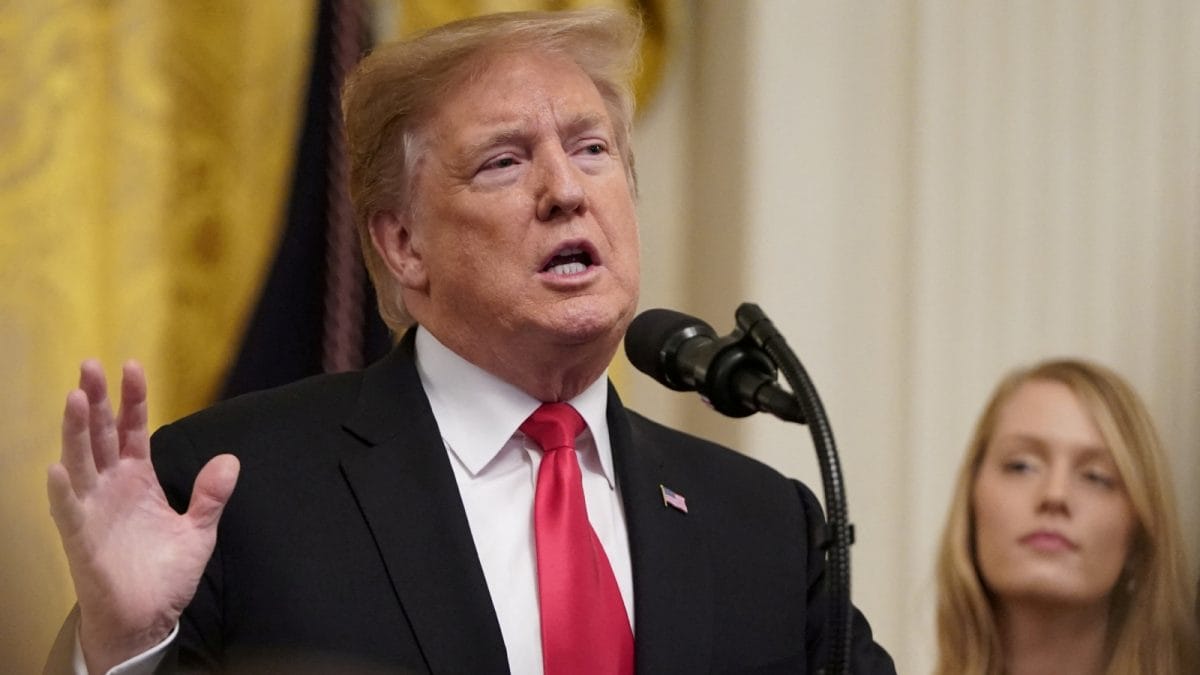
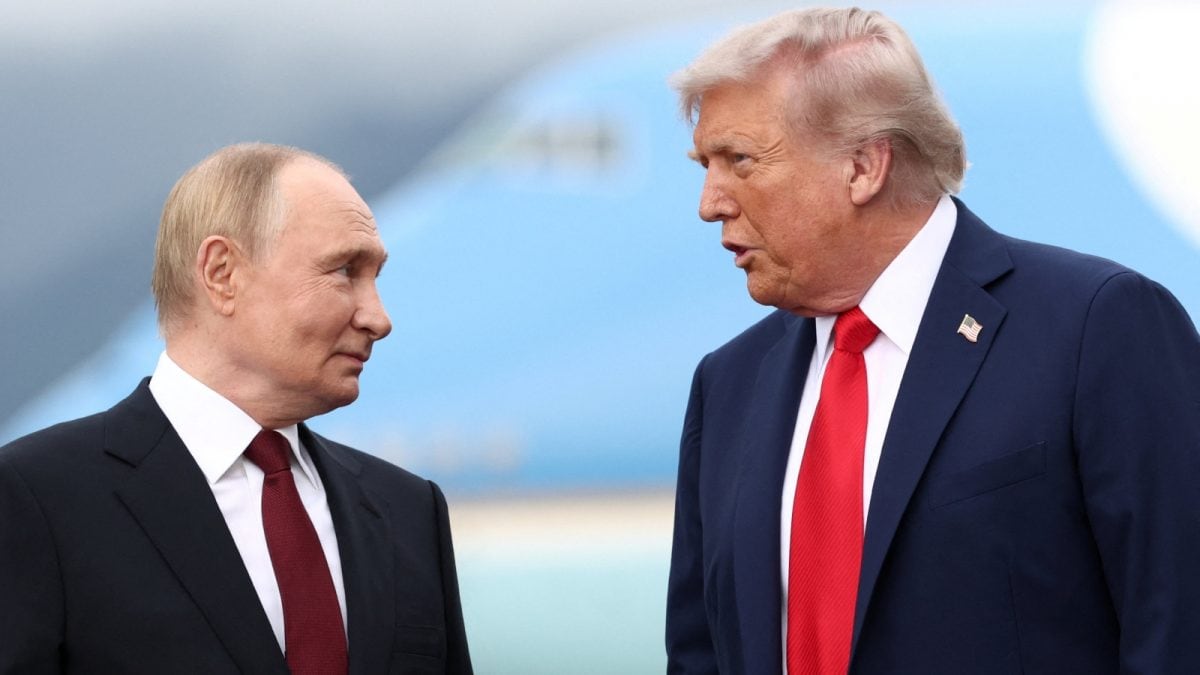
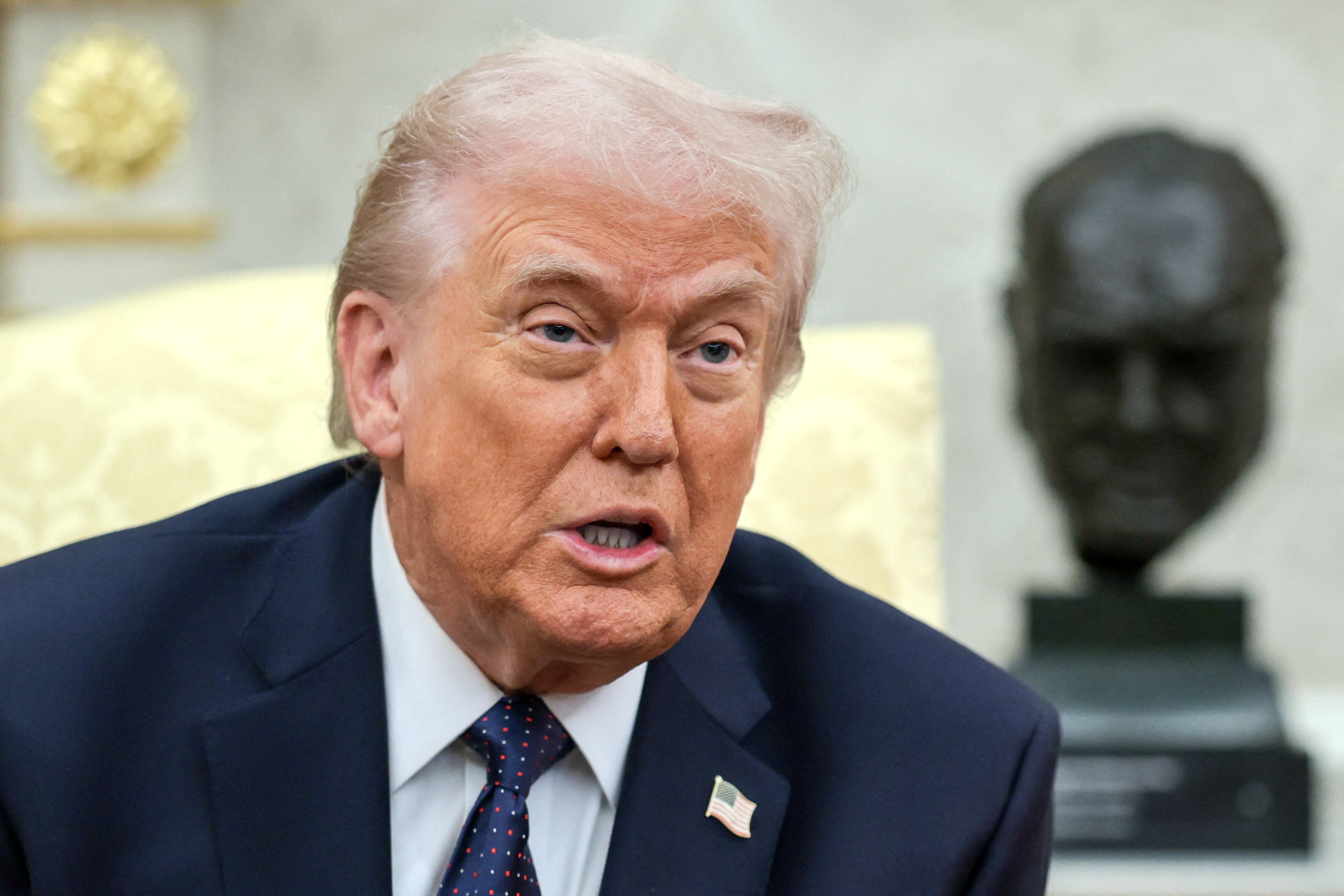
US President Donald Trump warned Iran that if authorities “start killing people," Washington would “hit them very hard," while Vice President JD Vance said the US “stands by the citizens of Iran who are engaged in peaceful protests."
German Foreign Minister Johann Wadephul condemned the “excessive use of force" by Iranian authorities.
Iranian officials, including Supreme Leader Ayatollah Ali Khamenei, blamed foreign powers for inciting unrest and sought to distinguish between economic protesters and what he called “rioters."
Khamenei stated, “A bunch of people incited or hired by the enemy are getting behind the tradesmen and shopkeepers and chanting slogans against Islam, Iran and the Islamic Republic," according to Al Jazeera.
PROTESTS CONTINUE DESPITE CRACKDOWN
AFP reported that demonstrations continued into Thursday night, with large crowds on Tehran’s Ayatollah Kashani Boulevard and gatherings in western cities.
Iraqi-based Kurdish opposition parties called for a general strike in western Iran, which Hengaw said was widely followed in around 30 towns and cities.
Despite security crackdowns and the ongoing communications blackout, demonstrators have defied government restrictions, setting fire to IRGC-linked buildings in Isfahan and attacking security forces in Tehran, highlighting the persistent challenges faced by Iranian authorities in containing the unrest.
ALSO READ | ‘We Will Hit Them Very Hard’: Trump Threatens Iran If Protesters Are Killed
First Published:
January 09, 2026, 07:51 IST
News world Iran Under Internet Blackout After Exiled Prince's Anti-Khamenei Protest Call; 42 Deaths Reported
Disclaimer: Comments reflect users’ views, not News18’s. Please keep discussions respectful and constructive. Abusive, defamatory, or illegal comments will be removed. News18 may disable any comment at its discretion. By posting, you agree to our Terms of Use and Privacy Policy.
Read More