3 weeks ago
Pakistan has quietly reactivated a dusty airbase near the Strait of Hormuz. It is perfectly placed to help solve the biggest geopolitical crisis of 2026. There is just one problem.

UPDATED: Apr 7, 2026 22:16 IST
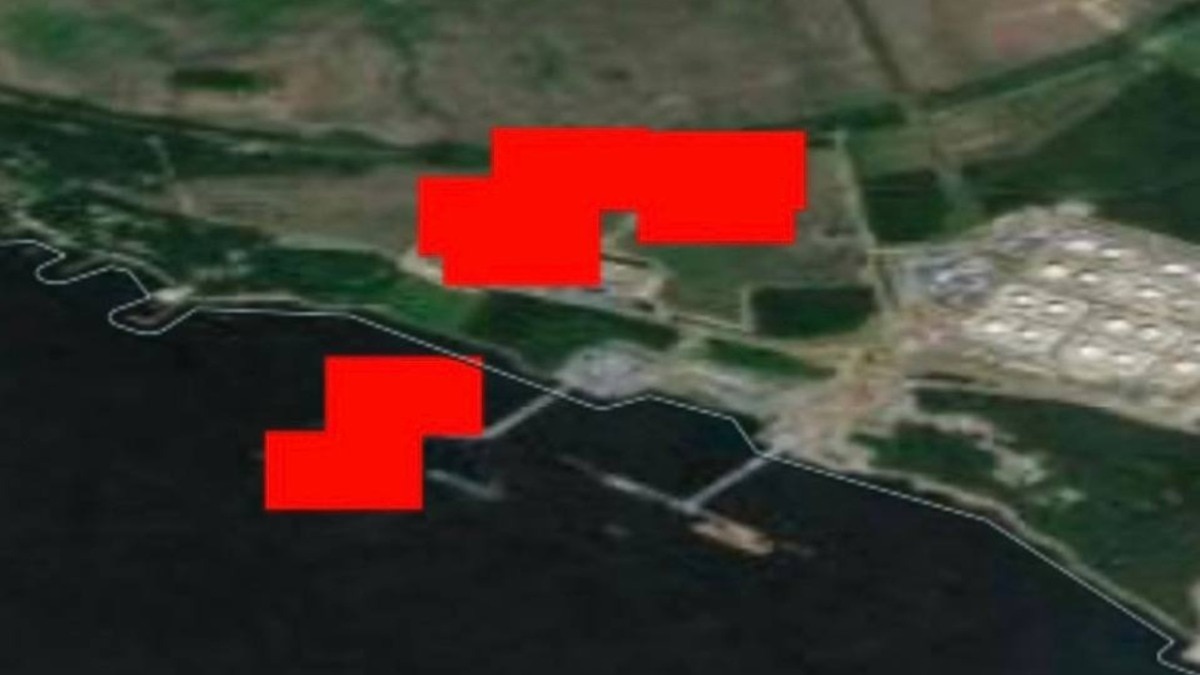
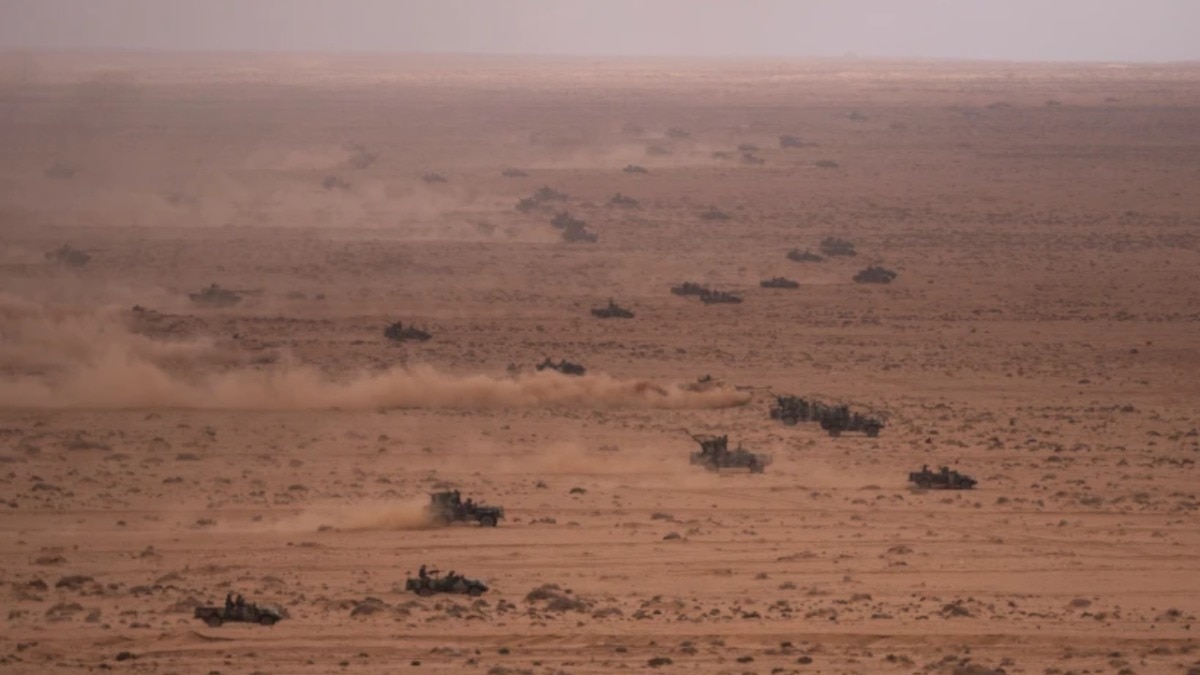
There is a small airbase on a 24 kilometre peninsula in Pakistan's Balochistan province that almost nobody talked about until now. The runway is just 1,700 metres long. It has been largely inactive for years. In April 2026, it has become one of the most consequential pieces of military real estate on the planet. Its name is Jiwani Airbase. And it might just be the most frustrating base in modern geopolitical history. Location is everything
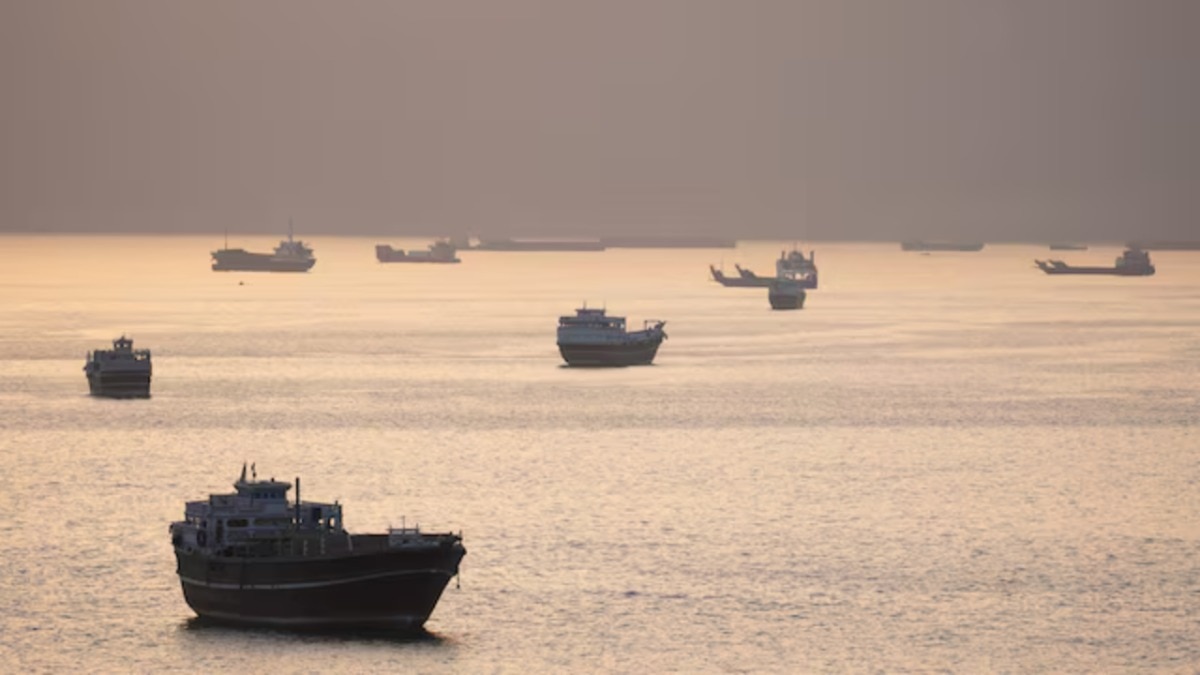
Jiwani sits on the Gulf of Oman, roughly 56 kilometres from Gwadar Port and within striking distance of the Strait of Hormuz, the narrow waterway through which 20 to 30 per cent of the world's oil passes every single day. From Jiwani, military aircraft can monitor Gulf nations including the UAE, surveil key shipping lanes and run air patrols over the Persian Gulf. During any conflict, the base could directly influence who moves through those waters and who does not.
Pakistan Army Chief Asim Munir personally oversaw its reactivation. Construction is underway. The world has taken notice.
America's mounting problem
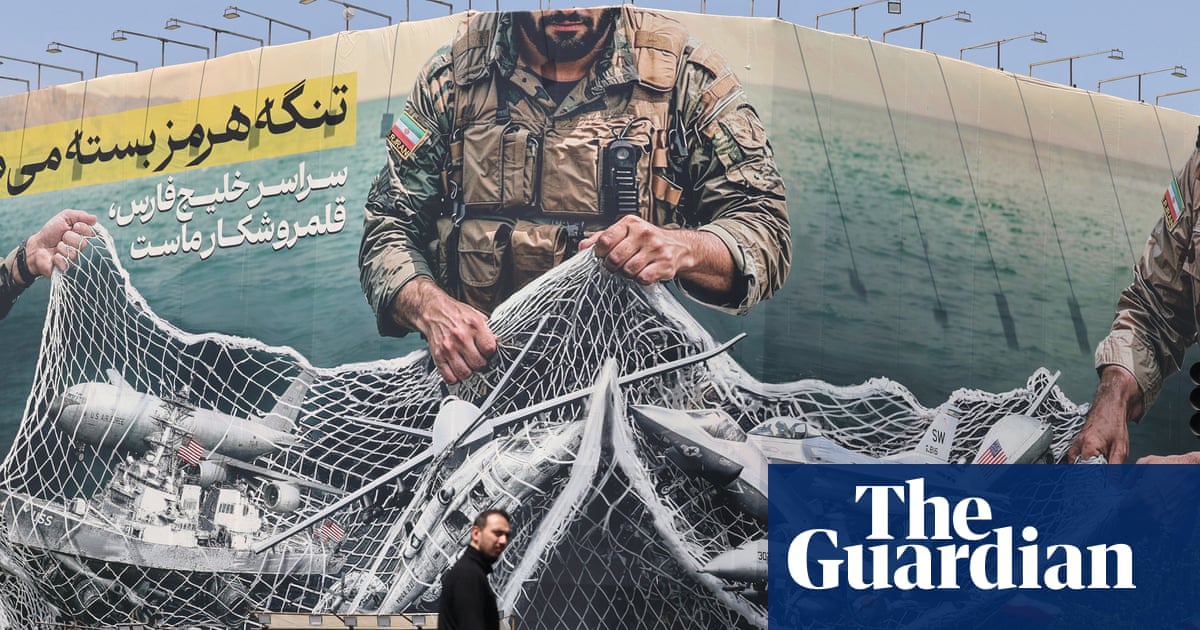
Since February 2026, US and Israeli strikes on Iranian nuclear and missile sites triggered a fierce Iranian response. Operation Truthful Promise 4 sent missiles into Bahrain's 5th Fleet headquarters, wounding personnel and disrupting operations. Iran then targeted Diego Garcia, the remote island base long considered untouchable, with two intermediate range ballistic missiles. By late March, reported US infrastructure damage had reached 800 million dollars.
America's supposedly safe bases are no longer safe. The 5th Fleet has been forced to disperse. Patrols through Hormuz have thinned. Treasury Secretary Scott Bessent announced plans for enhanced multinational escorts to restore control of the strait. The US is urgently seeking every available asset in the region.
Jiwani, sitting precisely where it needs to be, looks like the answer.
The catch nobody wants to say out loud
China built it.
Since 2017 and 2018, Beijing has funded upgrades at Jiwani as part of its String of Pearls strategy, a network of military and naval footholds positioned across the Indian Ocean. Jiwani is envisioned as a command hub, a surveillance post designed specifically to monitor US 5th Fleet transits through Hormuz. China did not develop this base as a favour to Washington. It developed it to counter Washington.
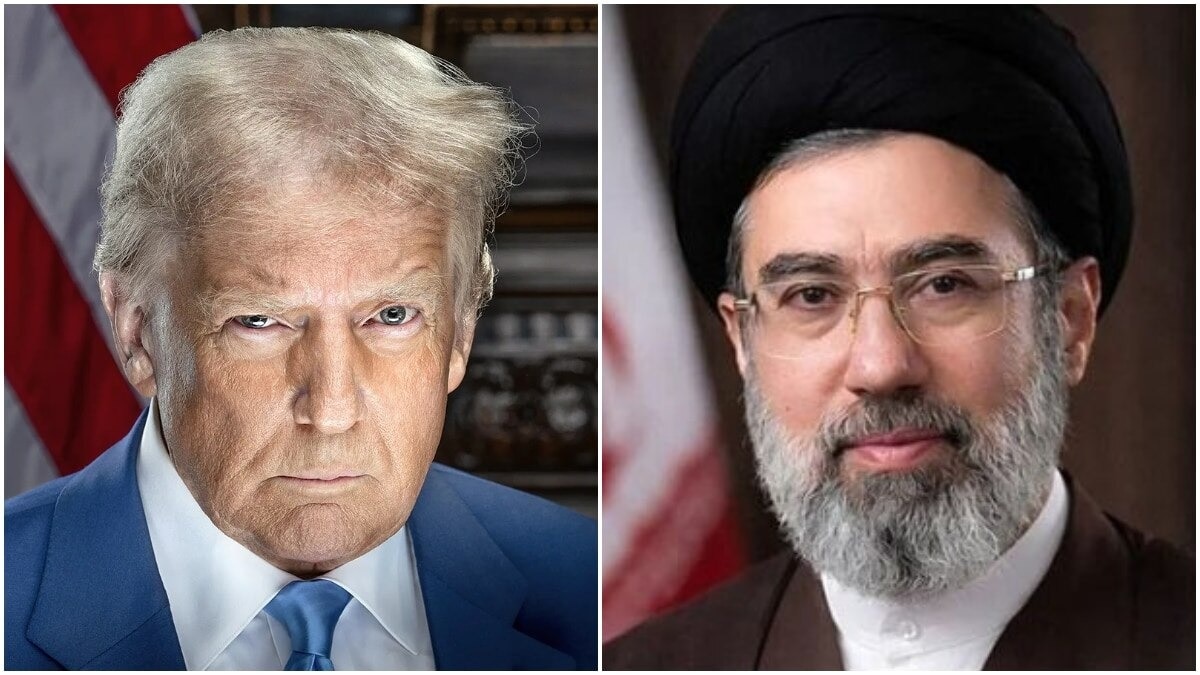
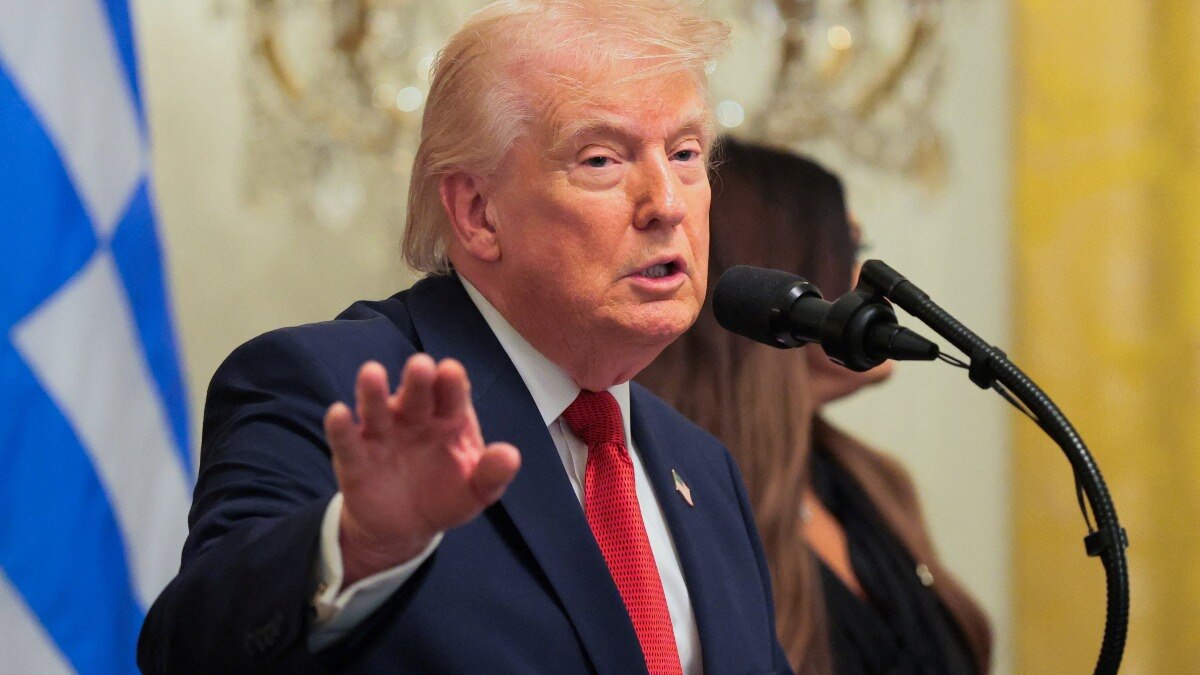
The current state of US and China relations makes any cooperation there essentially impossible. China purchases 90 per cent of Iran's oil exports. It maintains a no limits partnership with Tehran. On 31 March 2026, China and Pakistan jointly proposed a five point ceasefire plan that the Trump administration rejected outright. The Trump administration has publicly labelled China an Iran enabler. Beijing condemned US and Israeli strikes as aggression.
Pakistan, for its part, owes China over 30 billion dollars and sources roughly 70 per cent of its military equipment from Beijing. Major decisions at Jiwani do not happen without Chinese approval. That approval will not be coming.
What America actually does
Washington is not without options. Bahrain remains operational despite damage. Diego Garcia still functions. India and the US have held discussions on joint Hormuz patrols. Multinational task forces, assembled without Chinese or Pakistani involvement, are being deployed. America has been a net energy exporter since 2019, which reduces the direct domestic pressure, though allied supply chains remain dangerously exposed.
These are workable alternatives. They are simply not as good as Jiwani.
The uncomfortable truth
Jiwani Airbase is perfectly positioned to help manage the worst maritime crisis in recent memory. A forward operating base there could provide surveillance, air cover and rapid response capability at exactly the right moment. In different circumstances, negotiations would already be under way.
But China built this base to keep America out of the Indian Ocean, not to help it in. The door exists. The location is ideal. The key simply belongs to someone who has no interest in handing it over.
America's best option near Hormuz has China's name on it. And that, ultimately, is the whole story.
- Ends
Published By:
indiatodayglobal
Published On:
Apr 7, 2026 22:16 IST