 1 hour ago
Israelis vote on Tuesday as Benjamin Netanyahu faces opposition challenges from Gadi Eisenkot and Naftali Bennett. The closely fought election will test public trust over security, governance and the Gaza war.
Jerusalem,Oct 26, 2026 12:54 IST

Israel will hold parliamentary elections on Tuesday, with Prime Minister Benjamin Netanyahu seeking to remain in power amid debate over his government's handling of the October 7, 2023, Hamas attack, the wars that followed, and its domestic and foreign policies, news agency Press Trust of India reported.
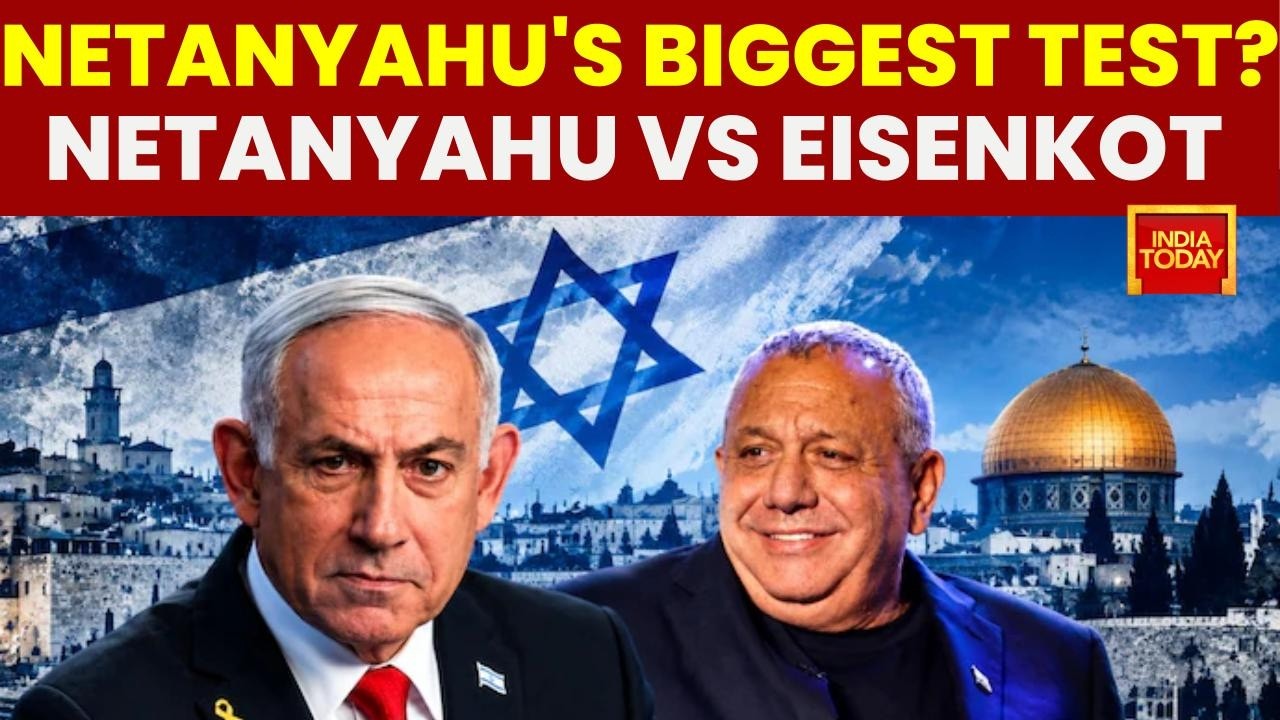
The election is widely seen as a test of Netanyahu's leadership. Opposition leaders, including former military chief Gadi Eisenkot and former prime minister Naftali Bennett, are challenging his right-wing coalition, but opinion polls indicate that neither bloc is assured of the majority needed to form a government.
Israel uses a nationwide proportional representation system, with the entire country serving as a single constituency to elect the 120 members of the Knesset, its parliament. Israel is roughly the size of Mizoram in north-eastern India.
Voters choose closed party lists rather than individual candidates, allowing several political parties to compete for seats. A party must secure at least 3.25 per cent of the vote to enter the Knesset, a requirement that often leads to alliances and mergers before elections.
The Knesset has a four-year term, although early elections can be held under certain circumstances. The party that wins the most seats does not automatically form the government. After the election, the president consults political groups and appoints a lawmaker to try to form a government. The candidate needs the support of at least 61 lawmakers.
Netanyahu, the leader of the right-wing Likud party, has served as Israel's prime minister for nearly 19 years across three separate periods since 1996. He is seeking to retain power after a period dominated by the October 7 attack three years ago and the military campaigns that followed.
The Hamas-led attack in 2023 killed about 1,200 people in Israel and triggered the war in Gaza, which later widened into a regional conflict involving Israel, Iran and other armed groups. Israel subsequently launched a large-scale military campaign in Gaza involving air strikes, ground operations and restrictions that severely disrupted civilian life.
More than 74,000 Palestinians have been reported killed and over 175,000 injured since the war began, according to Gaza's health ministry, as cited by Press Trust of India.
Security and accountability for the October 7 attack are central campaign issues. Netanyahu also faces charges of fraud, breach of trust and bribery, which he denies. The Criminal Court issued an arrest warrant for him in 2024 over alleged war crimes and crimes against humanity.
Eisenkot, a former chief of staff of the Israel Defence Forces, leads the centrist Yashar party and has emerged as a principal challenger to Netanyahu. He previously served as an observer in Netanyahu's war cabinet but resigned in June 2024 after criticising the government for lacking a clear war strategy.
Eisenkot has presented himself as an alternative on governance while maintaining a hard line on security. His party has performed strongly in some opinion polls, although the opposition still faces the challenge of putting together a viable coalition.
Bennett is leading the B'Yachad electoral alliance, which includes former prime minister Yair Lapid's Yesh Atid party. A right-wing politician who opposes Palestinian independence and supports Israeli settlements in the occupied West Bank, Bennett has also criticised Netanyahu's handling of security and governance.
Bennett briefly served as prime minister in 2021 under a power-sharing arrangement with Lapid. Their alliance is among the opposition groups seeking to replace Netanyahu's government.
Other important political players include Yair Golan's left-leaning Democrats, Avigdor Liberman's Yisrael Beiteinu, and Arab-led parties such as Ra'am and the Joint List. Netanyahu's key coalition partners include far-right parties led by Itamar Ben-Gvir and Bezalel Smotrich, as well as ultra-Orthodox parties.
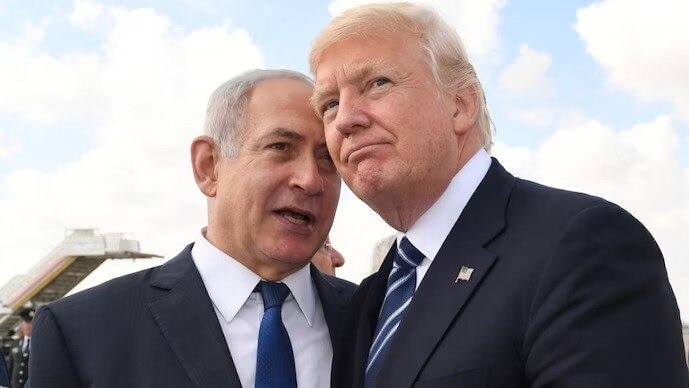
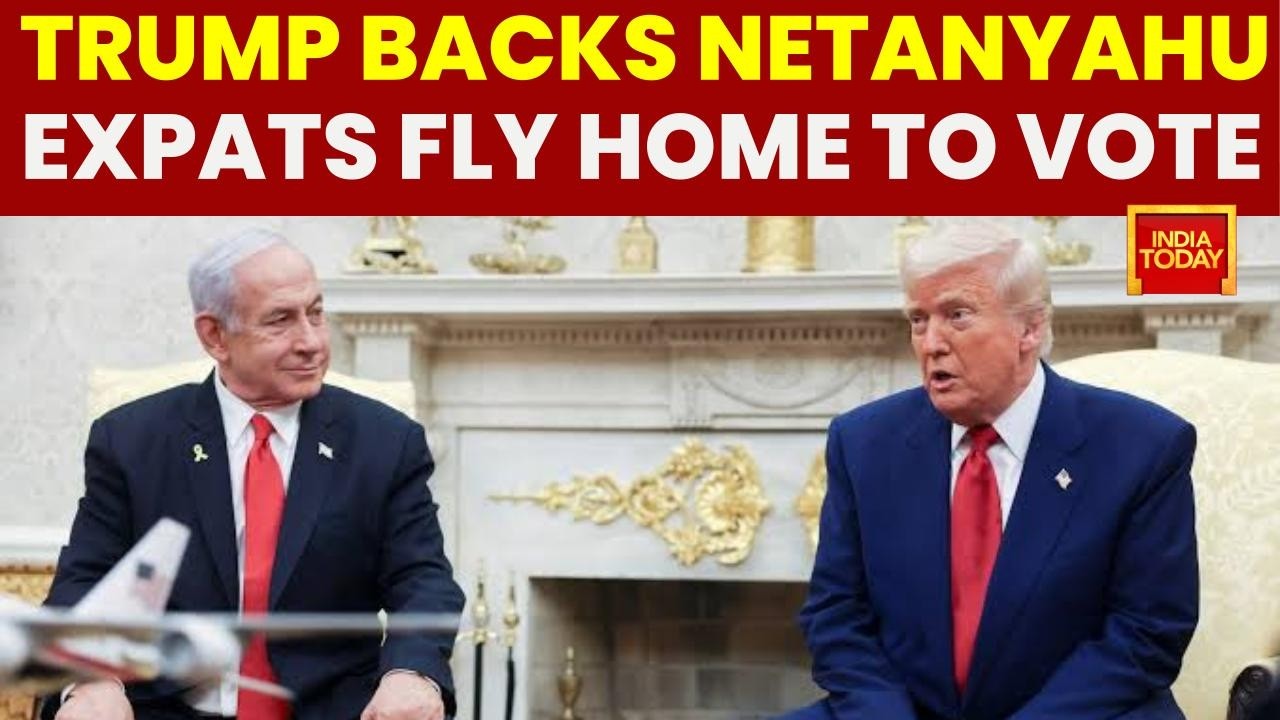
The campaign is also being shaped by questions over the future of the Gaza war, relations with the United States, the threat from Iran and Israel's international standing. While the leading contenders differ over Netanyahu's leadership and domestic governance, most hold broadly similar positions on security and oppose the establishment of a Palestinian state in the foreseeable future.
Tuesday's vote will determine whether Netanyahu can assemble another majority or whether opposition parties can form a coalition, with security, accountability, governance and the consequences of the Gaza war at the centre of the election.
With PTI Inputs
- Ends