1 month ago
A report by Haaretz said negotiations between the two sides could begin in the coming days. Three Lebanese officials also told Reuters that Beirut is already preparing a delegation for potential negotiations.
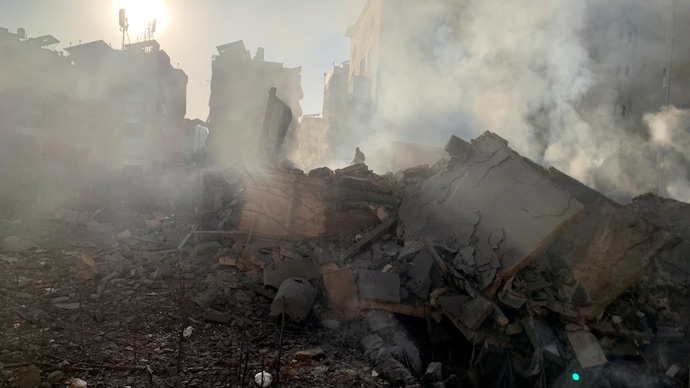
Israeli strikes hit Beirut’s southern suburbs after Hezbollah fired a volley of rockets toward Israel. (File Photo: Reuters)

UPDATED: Mar 15, 2026 01:23 IST
After weeks of deadly fighting between Israel and Hezbollah, diplomatic efforts may finally be taking shape. Israel and Lebanon are expected to hold direct talks in the coming days, potentially marking a rare breakthrough between two longtime adversaries.
A report by Haaretz said negotiations between the two sides could begin in the coming days. Three Lebanese officials also told Reuters that Beirut is already preparing a delegation for potential negotiations, though no date has been finalised. One official said Lebanon wants clarity on whether Israel would first agree to a ceasefire -- a key demand by Lebanese President Joseph Aoun -- before talks can begin.
There has been no immediate response from the government officials regarding the reported negotiations.
WAR BETWEEN ISRAEL AND HEZBOLLAH INTENSIFIES
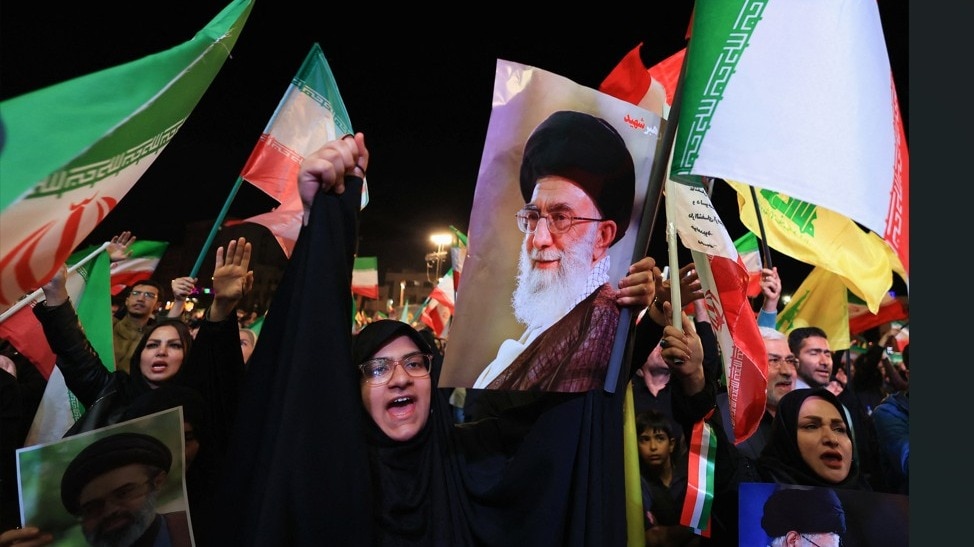
Lebanon became directly involved in the Middle East conflict on March 2, when Hezbollah launched attacks on Israel, saying it was acting in retaliation for the killing of Iran’s supreme leader during US-Israeli strikes.
Israel responded with a big military offensive across Lebanon. According to Lebanese officials, more than 800 people have been killed and over 800,000 residents forced to flee their homes as airstrikes and artillery exchanges continue.
President Joseph Aoun has expressed willingness for direct negotiations with Israel in an effort to bring the fighting to an end. However, the situation inside Lebanon remains politically complicated. The Lebanese government last week moved to ban Hezbollah’s military activities, which also deepened divisions within the country. Hezbollah rejected the order and continued firing rockets into Israel.
An Israeli official told Reuters the military campaign against Hezbollah is likely to intensify and could continue even if Israeli strikes on Iran decrease. According to the Haaretz report, any negotiations between Israel and Hezbollah’s would focus on ending the fighting. The report said Jared Kushner, son-in-law of US President Donald Trump, is expected to be involved in the diplomatic process.
Talks could potentially be held in Paris or Cyprus, according to sources familiar with the discussions.
Israeli Prime Minister Benjamin Netanyahu is expected to appoint longtime aide and former US ambassador Ron Dermer to lead Israel’s negotiating team, CNN reported. Israeli officials, however, cautioned that assigning Dermer the role does not necessarily mean negotiations are imminent.
INTERNAL DIVISIONS COMPLICATE TALKS
Political tensions within Lebanon are also complicating the possibility of negotiations. A senior Lebanese politician said Christian, Sunni Muslim and Druze representatives have been chosen for the negotiating team. However, Parliament Speaker Nabih Berri, a key Shi’ite leader allied with Hezbollah, reportedly opposed including Shi’ite representatives in the delegation.
Meanwhile, the Israeli military has warned that it may target ambulances or medical facilities if they are used by Hezbollah for military purposes. Israeli military spokesman Avichai Adraee said Hezbollah had been using ambulances for operational activities, though the military did not provide evidence for the claim.
"If this practice does not stop, Israel will act in accordance with international law against any military activity carried out by the terrorist group Hezbollah using these facilities," Adraee wrote on X.
Hezbollah denied the accusation, saying it does not use medical facilities or ambulances for military operations.
The Lebanese Health Ministry said at least 26 medics and first responders have been killed in Israeli strikes since the war began on March 2.
As the conflict continues, humanitarian conditions are worsening across the region. According to estimates cited by CNN, more than 3,000 people -- including civilians and military personnel -- have been killed across the Middle East since the broader war involving Iran began two weeks ago.
- Ends
Published By:
Satyam Singh
Published On:
Mar 15, 2026 01:23 IST