 3 weeks ago
HomeBusiness NewsITC Foods sees El Niño as next big risk for rural demand and food supplies
ITC Foods Divisional CEO Hemant Malik says current demand remains resilient, but a weak monsoon could disrupt agricultural supplies later this year. He also says India must move beyond commodity exports and build global food brands.
2 Min Read
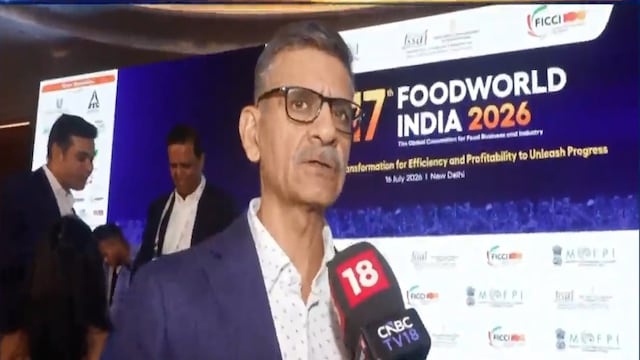
The impact of El Niño on rural demand and the possibility of agricultural commodity shortages could become key concerns for India's food industry in the coming months, Hemant Malik, Divisional CEO at ITC Foods, told CNBC-TV18.
While food supplies are currently available, prices remain a challenge and any disruption to the monsoon could affect rural demand and agricultural production, Malik said.
“There are now concerns coming up with the monsoon. If El Niño has an impact, which we will see a little later, what impact could it have on the rural market?” Malik said.
He said the food industry could face supply challenges several months from now if weather conditions affect the availability of agricultural commodities.
“Food is all about agri-products and agri-commodities that you process. Therefore, if there are any kind of shortages that may happen six months from now, those could be something to watch out for,” Malik said.
However, Malik said he does not see the current supply situation as a major concern, adding that demand remains resilient.
“I don't see it as a big concern. Demand numbers are quite decent, so I think we have not seen any negatives in that regard,” he said.
According to Malik, supplies have largely remained available, with the main challenge being the price at which they are available. He said there was a brief period of supply shortages in March and April, but ITC Foods did not face any major supply-related challenges.
India needs to move beyond commodity exports
Malik also said India has significant potential to expand its food exports, but needs to move beyond being primarily a commodity exporter and focus on building global food brands.
“I think when it comes to food exports, India has not done such a great job so far. We are large commodity exporters, but not much beyond that,” he said.
He said the government's push to sign free trade agreements (FTAs) with countries around the world could help Indian food companies access new markets by reducing trade barriers.
“Pre-FTA, there have been certain barriers to trade, and I think the government's very aggressive initiative on signing FTAs across the world is going to make all those markets accessible and available to us,” Malik said.
India now needs to focus on building brands that can take advantage of the market opportunities created by these trade agreements, he added.