 1 month ago
As tensions rage in West Asia, Pakistan is positioning itself at the centre of diplomacy, hosting key talks and pushing mediation, but what's driving this urgency and what's at stake?
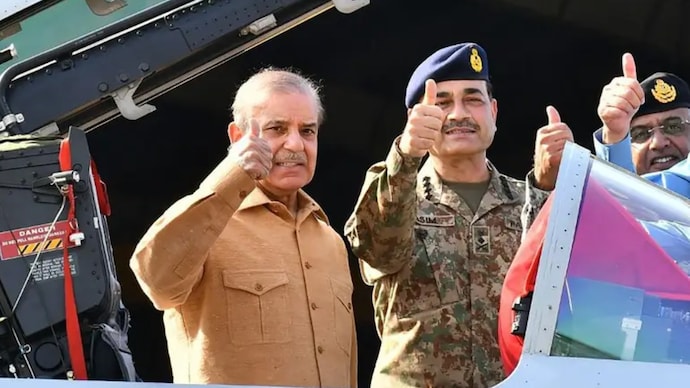
Pakistan steps up mediation push, to hosts key West Asia talks.

UPDATED: Mar 29, 2026 13:56 IST
Pakistan is set to host a high-stakes quadrilateral meeting of foreign ministers from Saudi Arabia, Egypt and Turkiye in Islamabad on Sunday, as it steps up efforts to position itself at the centre of diplomacy over the ongoing conflict in Iran.
The meeting comes at a time when the war has entered a volatile phase, with growing concerns over regional spillover and disruption to global energy routes.
According to Pakistan’s Foreign Office, Egyptian Foreign Minister Badr Abdelatty and Turkish Foreign Minister Hakan Fidan have already arrived in Islamabad, while Saudi Arabia’s Foreign Minister Faisal bin Farhan Al Saud is expected to join them.
The leaders will hold consultations on regional developments and are scheduled to meet Prime Minister Shehbaz Sharif. Officials said discussions will focus on “efforts to de-escalate tensions in the region”.
BACKCHANNEL DIPLOMACY IN PLAY
Pakistan has also been active on parallel diplomatic tracks. Deputy Prime Minister and Foreign Minister Ishaq Dar held a phone call with Iranian Foreign Minister Abbas Araghchi, where both sides discussed the evolving situation.
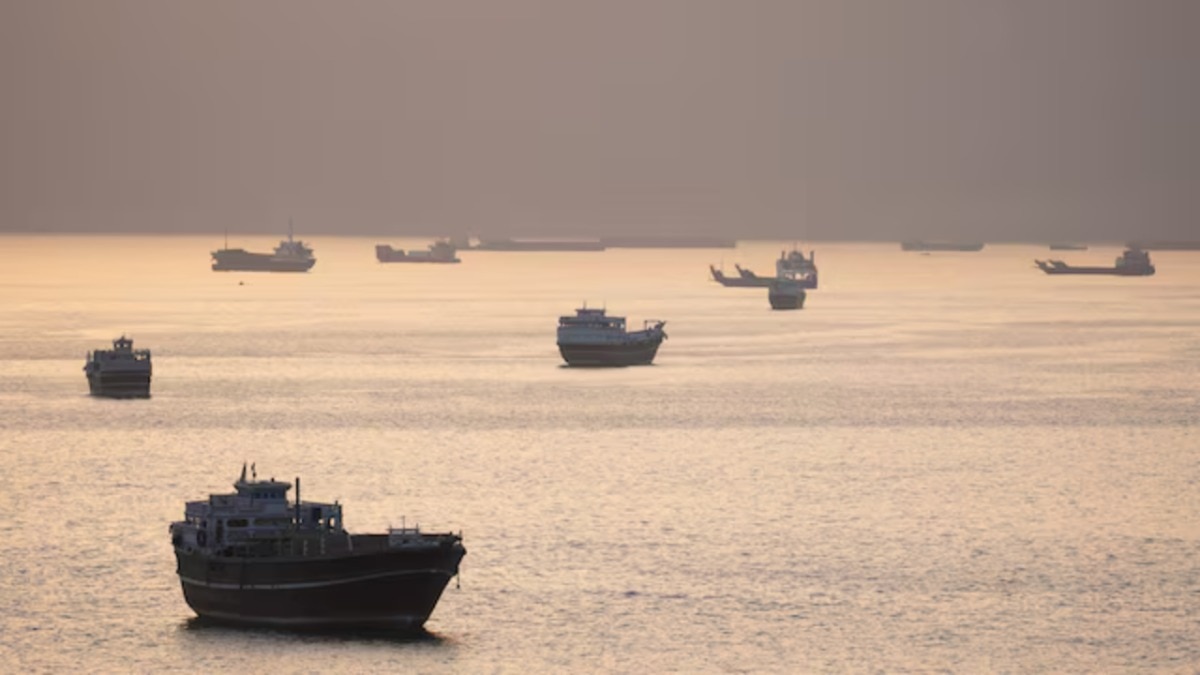
Dar stressed that “dialogue and diplomacy remain the only viable path for lasting peace”. He also announced that Iran has agreed to allow 20 more Pakistani-flagged ships to pass through the Strait of Hormuz, with two vessels crossing daily.
WHY PAKISTAN IS STEPPING IN
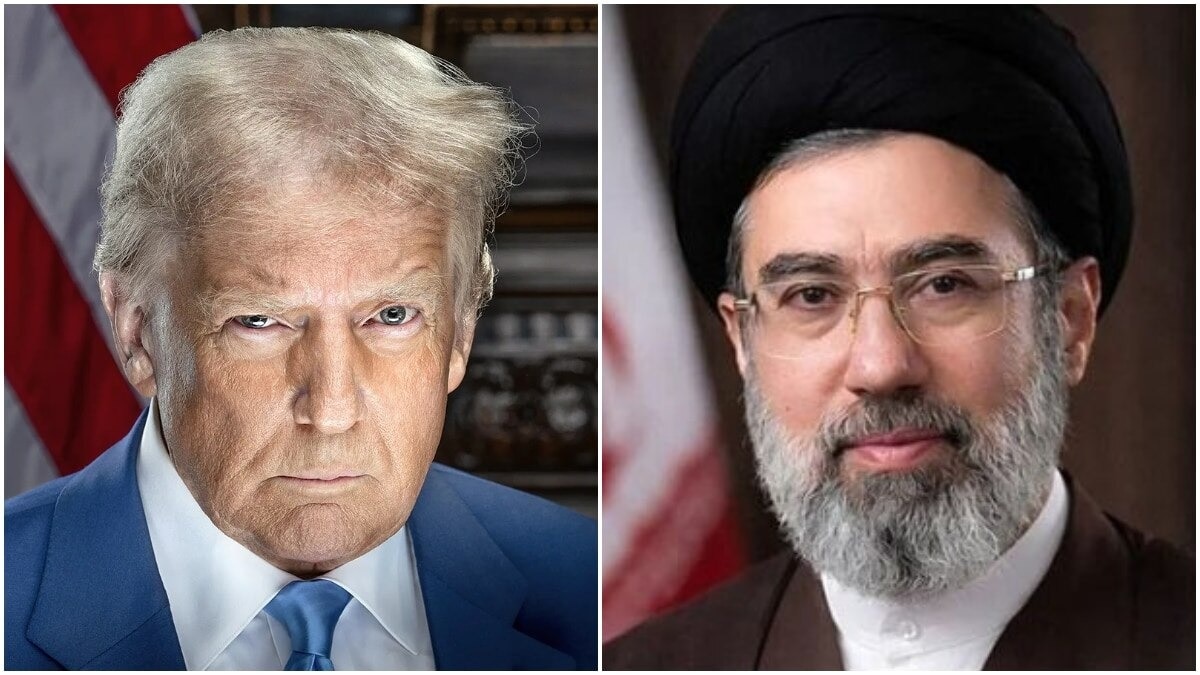
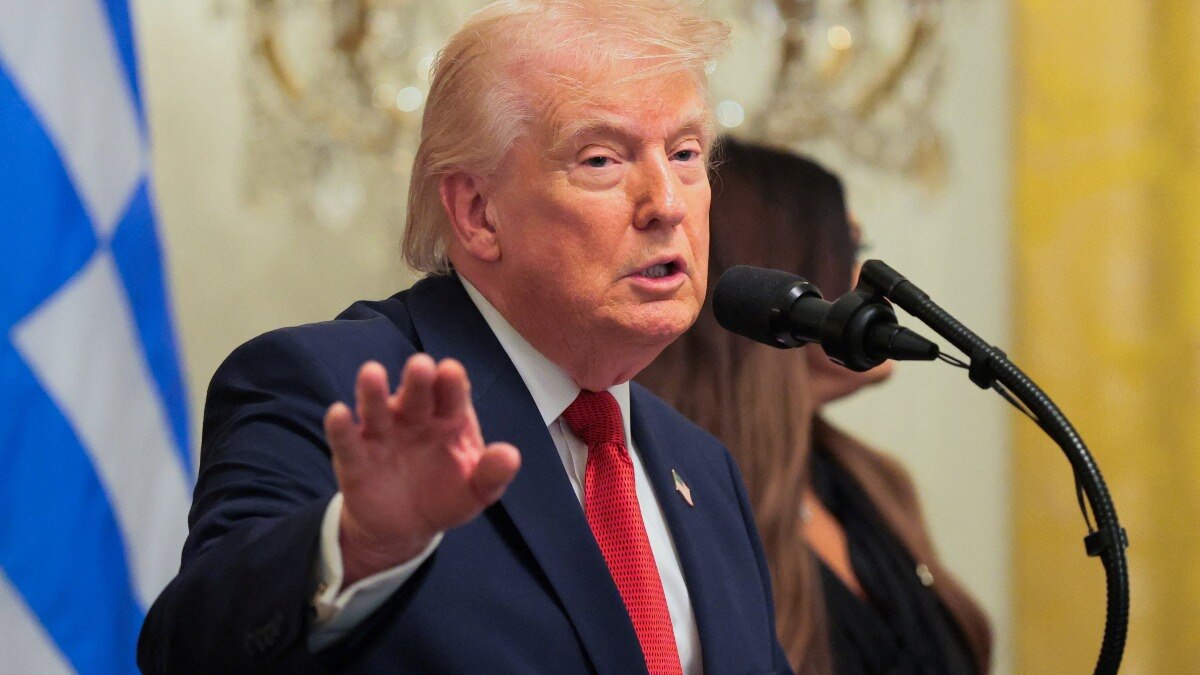
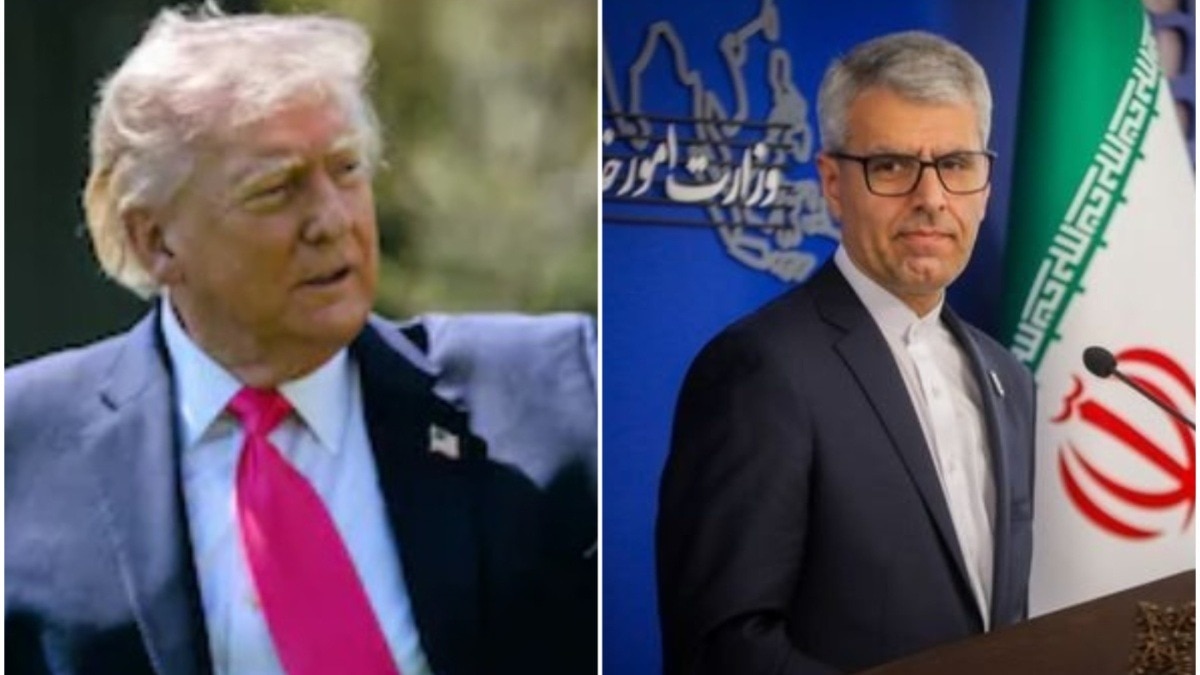
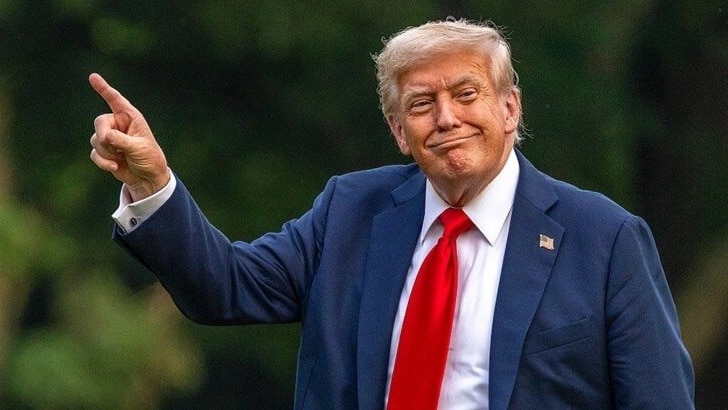
Pakistan’s growing diplomatic push comes even as the US and Iran explore backchannel talks to end the conflict. Islamabad has offered itself as a venue for negotiations, with Army chief Asim Munir and Sharif engaging global leaders, including a reported outreach to US President Donald Trump.
Analysts say Pakistan’s unique position, maintaining working ties with both Washington and Tehran, has enabled it to act as a conduit for sensitive messages. Its proximity to Iran and historical ties further strengthen this role.
ECONOMIC AND STRATEGIC STAKES
The urgency is also driven by economic concerns. Pakistan relies heavily on energy imports, and any disruption in the Strait of Hormuz, through which about 20 per cent of global energy supplies pass, has already pushed costs higher.
With inflation pressures mounting and fuel prices rising sharply, a prolonged conflict could deepen Pakistan’s economic challenges.
BALANCING REGIONAL PRESSURES
Islamabad also faces a delicate balancing act with Gulf nations, particularly Saudi Arabia, a key defence partner. Any escalation involving Riyadh could draw Pakistan into a wider conflict, even as it seeks to avoid tensions with Iran.
At the same time, mediation efforts offer Pakistan a chance to remain relevant on the global stage and reshape its image amid recent regional developments.
For now, all eyes are on Islamabad as it hosts the talks, a diplomatic test that could determine whether Pakistan can translate its strategic positioning into a meaningful role in easing one of the region’s most volatile conflicts.
- Ends
Published By:
Sonali Verma
Published On:
Mar 29, 2026 13:56 IST
Tune In