1 month ago
Sirens sound across Gulf states and Israel as missiles are reported hours after Trump announces a two-week ceasefire with Iran. Authorities scramble to intercept threats while fires and impact sites are confirmed across the region.
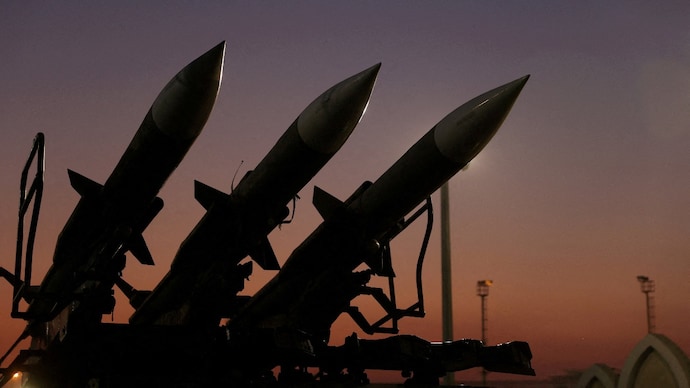
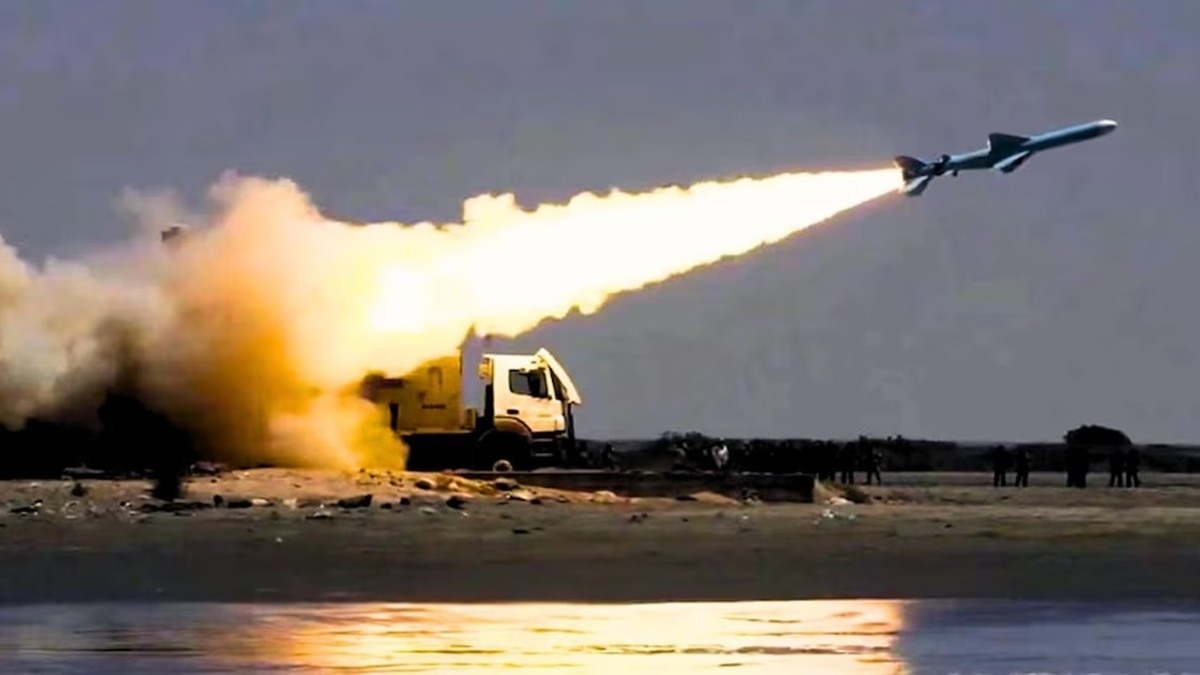
Missile alerts erupt across Gulf and Israel as Trump announces Iran ceasefire. (Representative photo. Credits: Reuters)

UPDATED: Apr 8, 2026 07:45 IST
Sirens blared across Gulf states and Israel early Wednesday as several countries reported incoming missiles hours after President Donald Trump announced a two-week ceasefire with Iran.
Both Kuwait and the United Arab Emirates confirmed they were actively intercepting incoming missile and drone threats. Abu Dhabi authorities reported responding to a fire at the Habshan gas processing facility.
Qatar’s Ministry of Defense said it had successfully intercepted a missile attack. Bahrain’s Interior Ministry advised residents to seek safety, while Saudi Arabia’s Civil Defense issued an early warning of potential danger in the central governorate of Al-Kharj.
Israel’s military confirmed multiple missile launches from Iran and said it was intercepting the threats. Emergency teams responded to several impact sites across central Israel, according to Magen David Adom.
CEASEFIRE ANNOUNCEMENT AND TIMING
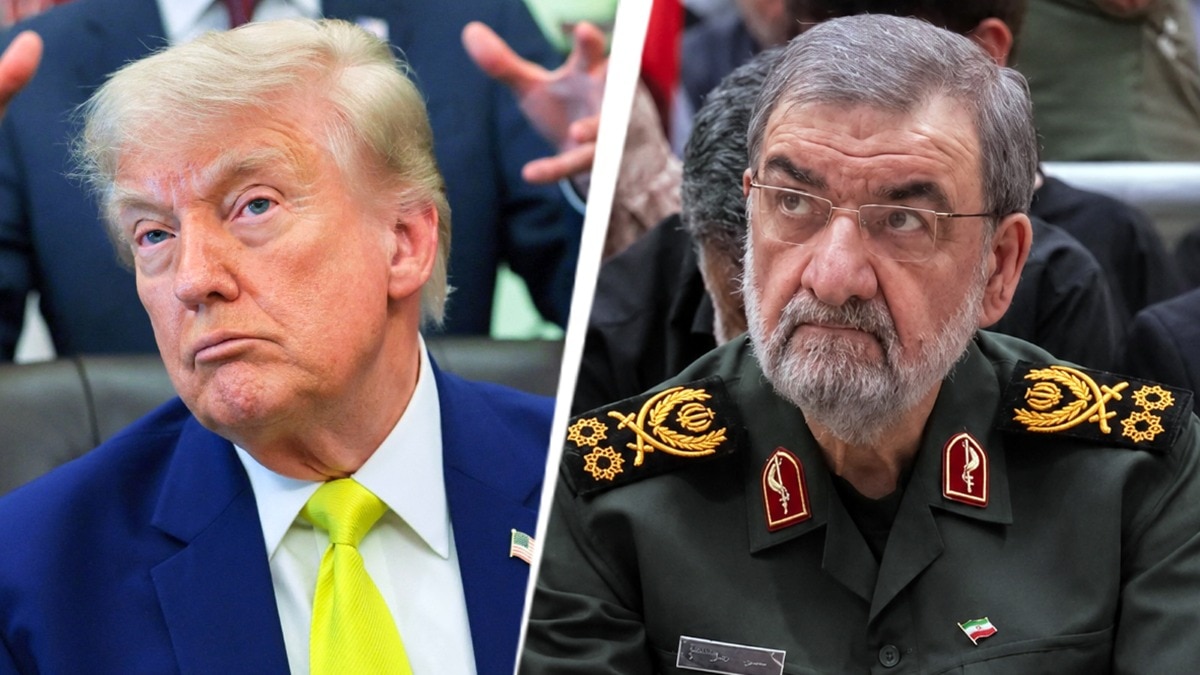
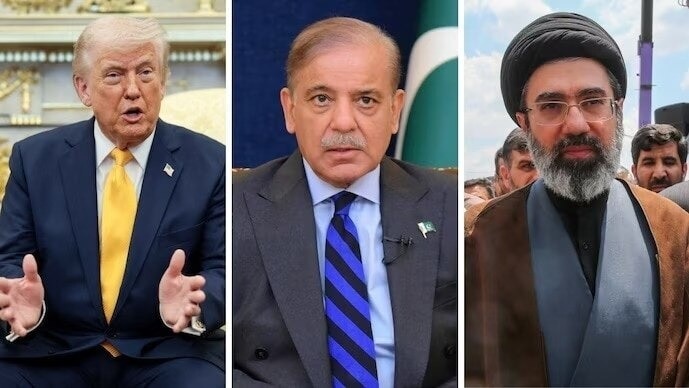
Trump announced the ceasefire around 6:30 pm ET on Tuesday (5 am IST on Wednesday), but did not specify when it would take effect. The announcement came amid ongoing missile attacks and heightened fears of wider regional conflict.
Iran’s Supreme Leader Mojtaba Khamenei reportedly ordered all military branches to stop firing, Iran’s state broadcaster IRIB said around 8:30 pm ET (7 am IST).
During the conflict, Iran has employed a decentralised defence model, allowing regional military commanders to operate with a degree of autonomy. Experts warned that this structure could delay the delivery of orders to individual units.
REGIONAL ESCALATION AND RESPONSE
The sudden missile activity demonstrates the fragility of the ceasefire. Gulf authorities remained on high alert, with civil defence and military forces coordinating intercepts and emergency responses.
In Abu Dhabi, firefighters battled the blaze at the Habshan gas processing facility, a key component of the country’s energy infrastructure. Qatar successfully neutralised a missile threat, preventing potential damage.
Saudi Arabia’s warning for Al-Kharj reflected fears of cross-border missile impacts. Bahrain residents were urged to seek shelter while emergency teams continued monitoring threats.
In Israel, Magen David Adom teams responded to multiple sites after the military confirmed missile launches from Iran. Intercept systems were engaged to prevent further damage.
WIDER IMPLICATIONS OF THE CEASEFIRE
While the ceasefire aims to reduce hostilities, the missile attacks show the challenge of implementing agreements across multiple nations with complex military chains of command. Analysts say independent actions by regional commanders in Iran could prolong risks despite formal orders.
Trump’s announcement marks a rare pause in the conflict, but regional authorities remain vigilant as they work to protect civilians and critical infrastructure.
- Ends
Published By:
Sonali Verma
Published On:
Apr 8, 2026 07:45 IST
Tune In