1 hour ago
Fresh unclaimed airstrikes struck southern Iran soon after the US said its latest attacks were over. The blasts, Iran's warning to the UAE and Israel's renewed threat showed the Gulf crisis remains dangerously fragile.

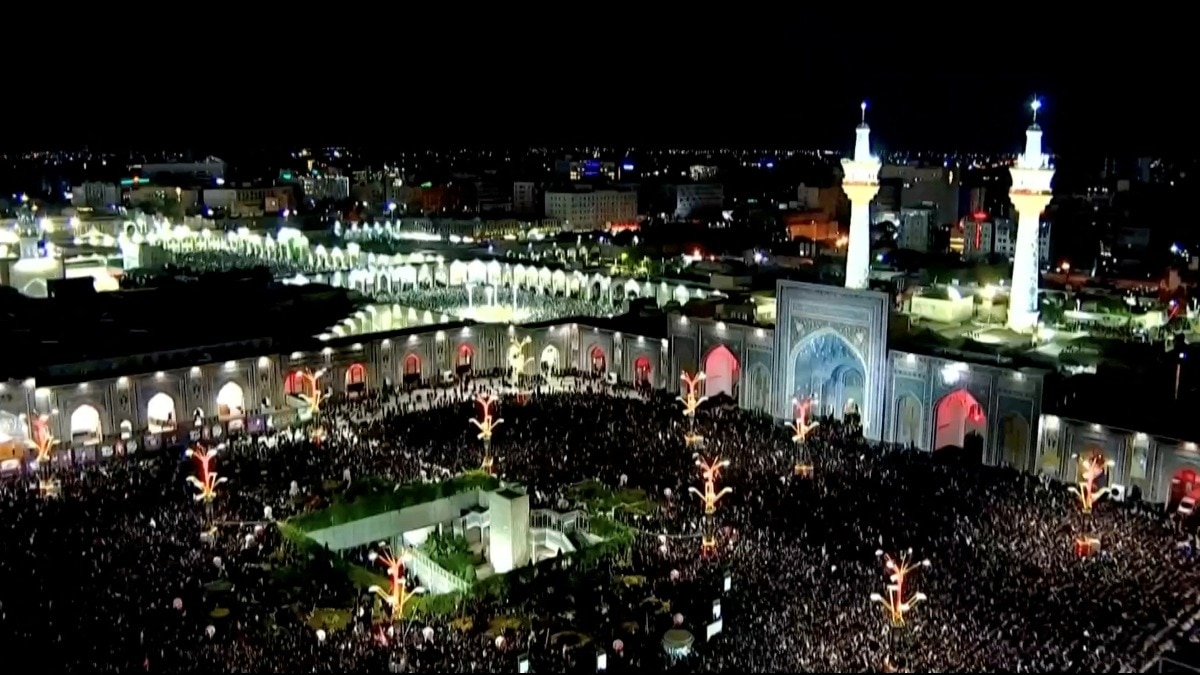
Stock photo used for illustration

Dubai,UPDATED: Jul 10, 2026 16:46 IST
A fresh round of mysterious airstrikes hit Iran on Thursday, shortly after the US military said it had completed its latest attacks, raising new questions over who else may be targeting the Islamic Republic. The strikes came as Iran prepared to bury the late Supreme Leader Ayatollah Ali Khamenei, and hit areas across southern Iran.
Iran's leadership has not directly blamed any country for the new strikes. However, one Iranian lawmaker warned the United Arab Emirates over what he alleged was support for the United States in its campaign against Iran. Gulf Arab states, which have repeatedly been targeted by Iran since the war began on February 28, did not immediately respond to requests for comment on Friday.
The US military's Central Command said at about 6.30 am local time in Iran on Thursday that it had concluded a round of strikes in which around 90 targets were hit. Soon afterwards, Iranian news outlets and state media reported airstrikes and explosions in Bushehr and Sistan and Baluchestan provinces, as well as in Ahvaz, Chabahar and other areas. Central Command did not respond to a request for comment on the additional strikes.
Iran answered with a wider volley of attacks across the Middle East, targeting Bahrain, Jordan, Kuwait and Qatar. Missile alert sirens sounded in all four countries, sending people to shelters. One person was reportedly injured in Kuwait as air defence systems responded to the incoming fire.
After the Iranian attack, UAE leader Sheikh Mohammed bin Zayed Al Nahyan travelled to Kuwait for a meeting with the country's ruling emir. Gulf Arab countries also held calls with Qatar's foreign minister, who has been closely involved, along with Pakistan, in mediating talks between Iran and the US over the interim deal now in place to stop a return to open warfare.
During the war, officials have said Saudi Arabia and the UAE carried out airstrikes on Iran after Tehran struck energy sites in their countries. Israel, which was also involved in the Iran war, has not claimed any recent attacks on Iran and has not struck the country since June. Israel usually claims such attacks soon after they happen.
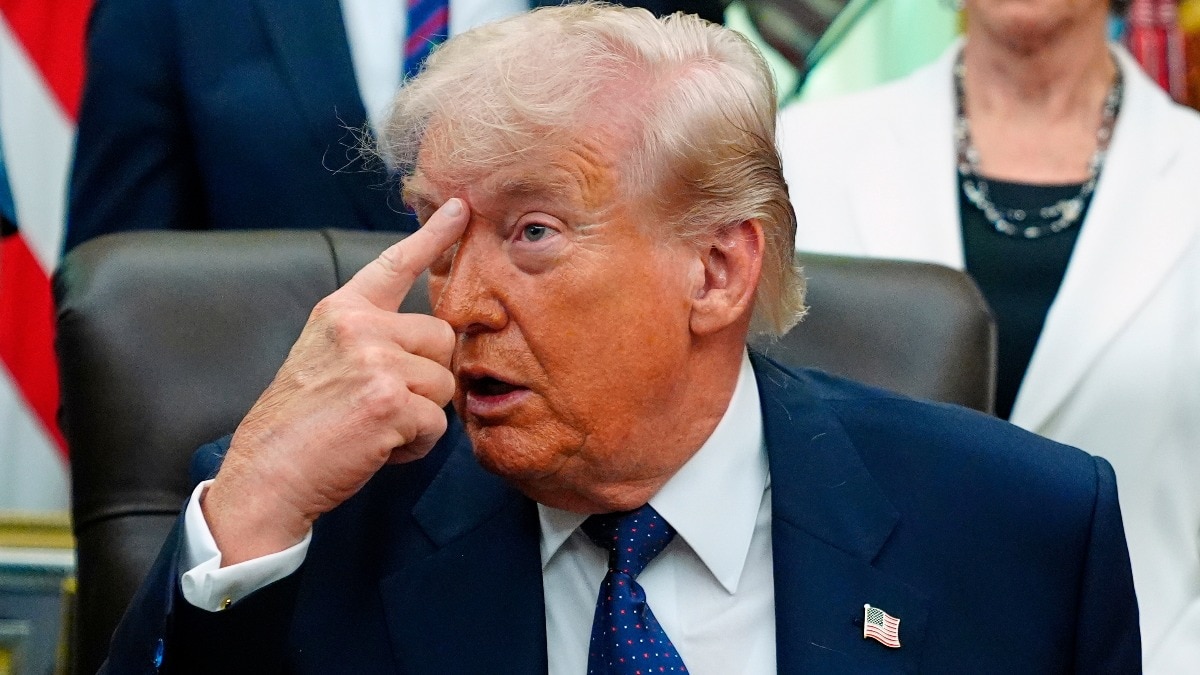
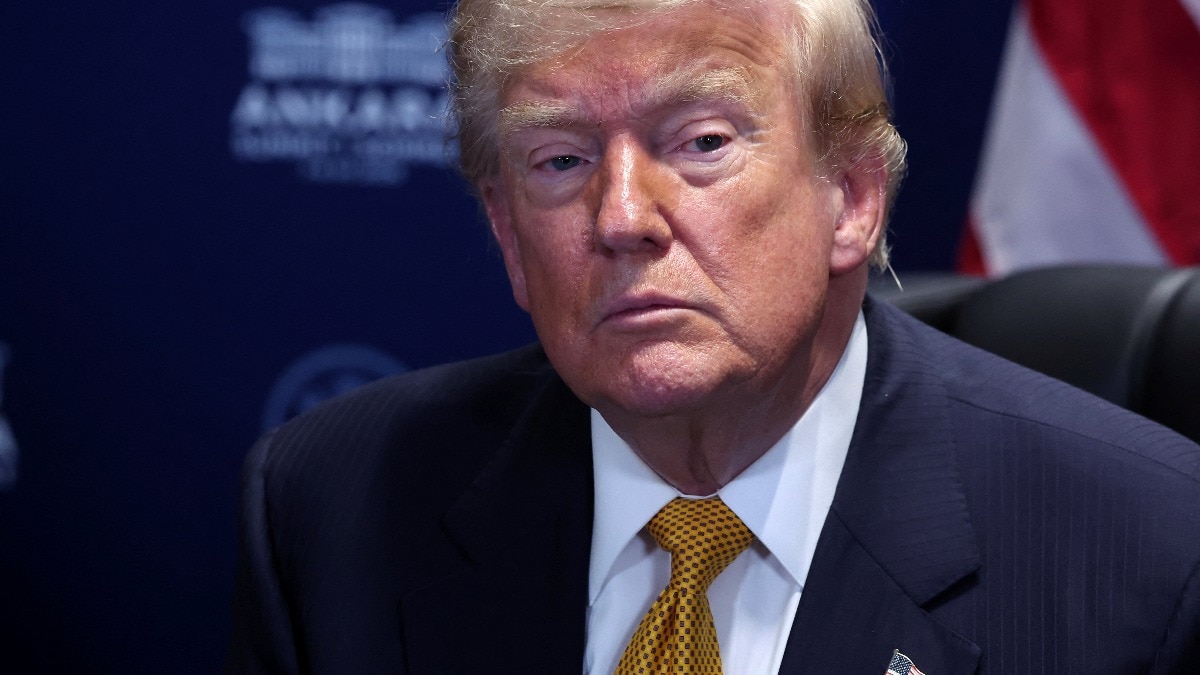
Israel's government said Prime Minister Benjamin Netanyahu spoke with US President Donald Trump on Thursday night, and that Trump updated him "on American moves in the Gulf". Israel's Defence Minister Israel Katz also renewed warnings towards Iran.
The Israeli military "is on alert and ready to renew the campaign, to reestablish aerial superiority, and to carry out a blue-white (Israeli) strike in Iran to remove threats, even for a third time," Katz said at a military ceremony. "If we will have to return, we will return with even greater force."
On Friday, Iranian state media quoted Esmail Kousari, a member of parliament's national security committee and a former commander in the Revolutionary Guard, as saying the UAE would "pay the price for its cooperation with the United States". He accused the Emirates of playing a "behind-the-scenes" role in the recent US attacks.
Iran has repeatedly accused Gulf Arab states of actively supporting the US war effort, a charge they denied during the war. Since the 1991 Gulf War, the US has maintained a wide military presence across Gulf Arab states, including in Bahrain, where the US Navy's 5th Fleet is based.
The latest tensions have also kept attention on the Strait of Hormuz. The US and Gulf Arab states have said the waterway must remain open for shipping, while Iran has insisted it should be under Tehran's sole control and that vessels should pay fees. About a fifth of the world's oil and natural gas passes through the strait, which has long been regarded internationally as a waterway open to global shipping. Iran's control of the strait during the conflict triggered a global energy crisis, though oil prices have fallen sharply from wartime highs of USD 120 a barrel.
The US is continuing to advise ships to use a southern route through Oman's territorial waters to avoid Iran. On Friday, the Joint Maritime Information Centre, a multinational body overseen by the US Navy, issued a fresh advisory asking vessels to follow that route. A similar advisory earlier led to an Iranian attack on Tuesday in which three vessels were hit.
"Notwithstanding recent unprovoked attacks on merchant vessels, mariners are reminded that the southern route of the (strait) has been expanded and remains available for all traffic," the maritime centre said.
The unclaimed strikes, Iran's warning to the UAE, Israel's fresh threat and the renewed focus on shipping through the Strait of Hormuz together underlined how fragile the situation remains even after the US said it had completed its latest round of attacks.
With PTI Inputs
- Ends
Published By:
India Today Web Desk
Published On:
Jul 10, 2026 16:46 IST