1 hour ago
Nepal's glacier-triggered flash floods have left 1,204 dead and 4,216 missing, with teams searching tunnels and underground powerhouses. The disaster has sharpened demands for global climate accountability as rain keeps slowing rescue work.

Kathmandu,UPDATED: Sep 2, 2026 20:56 IST
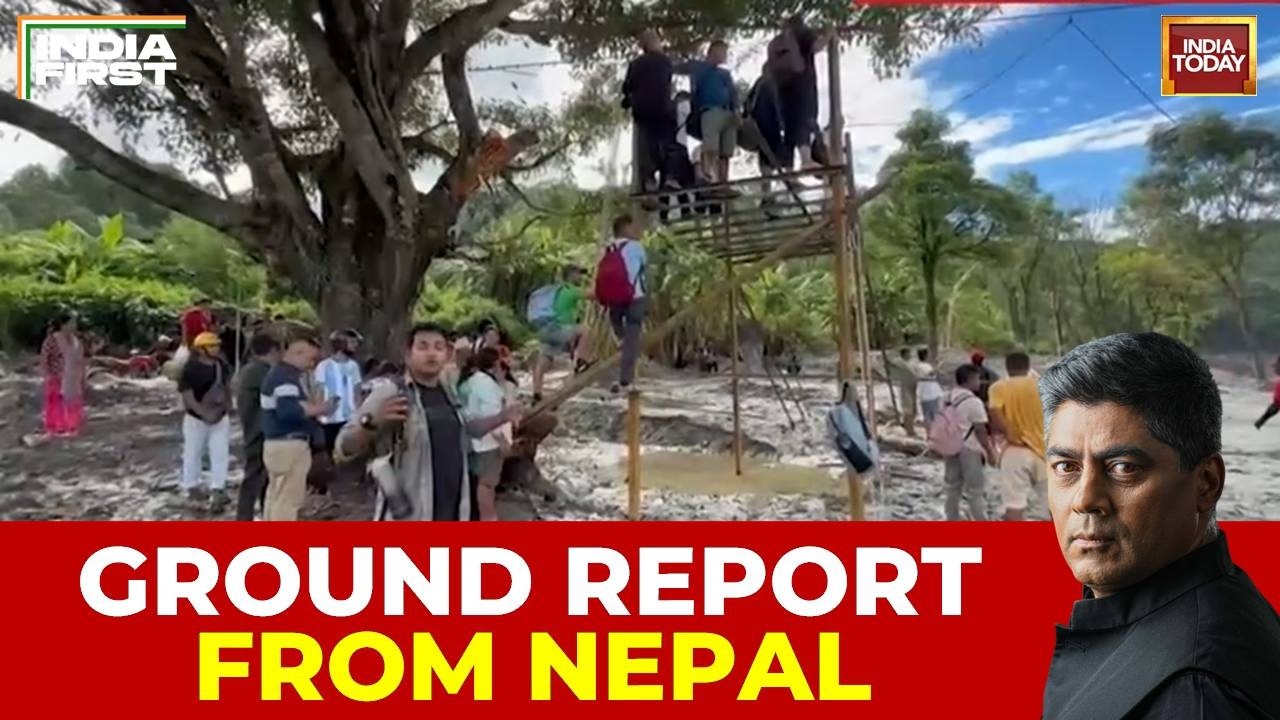
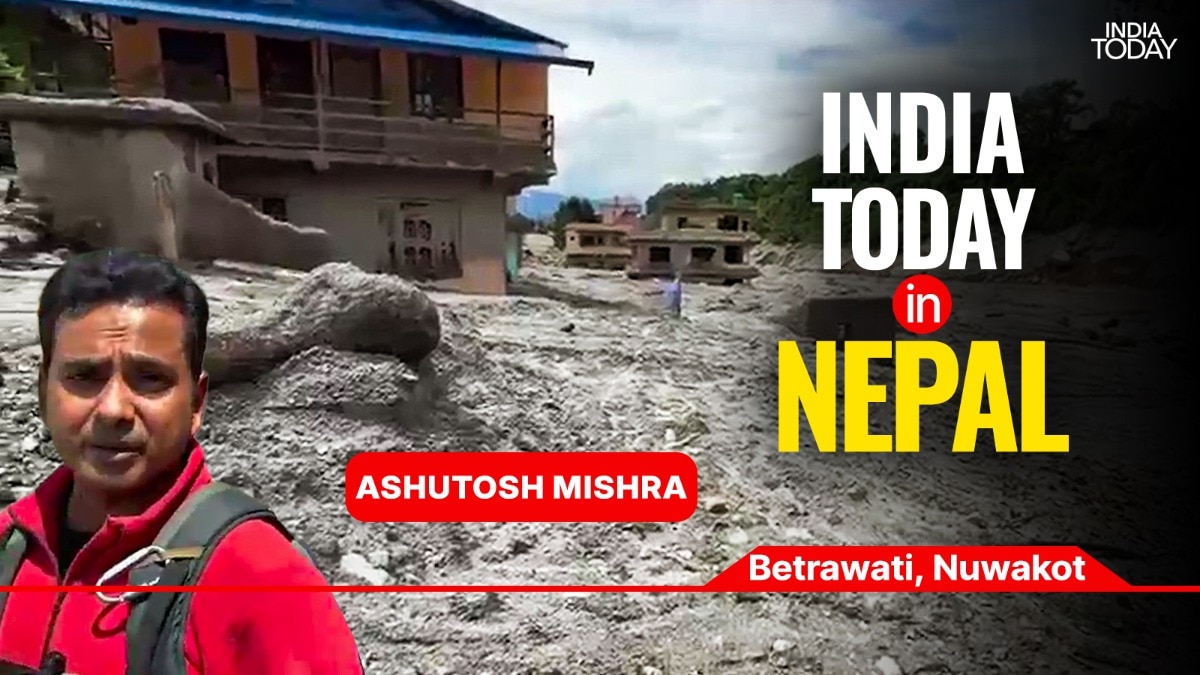
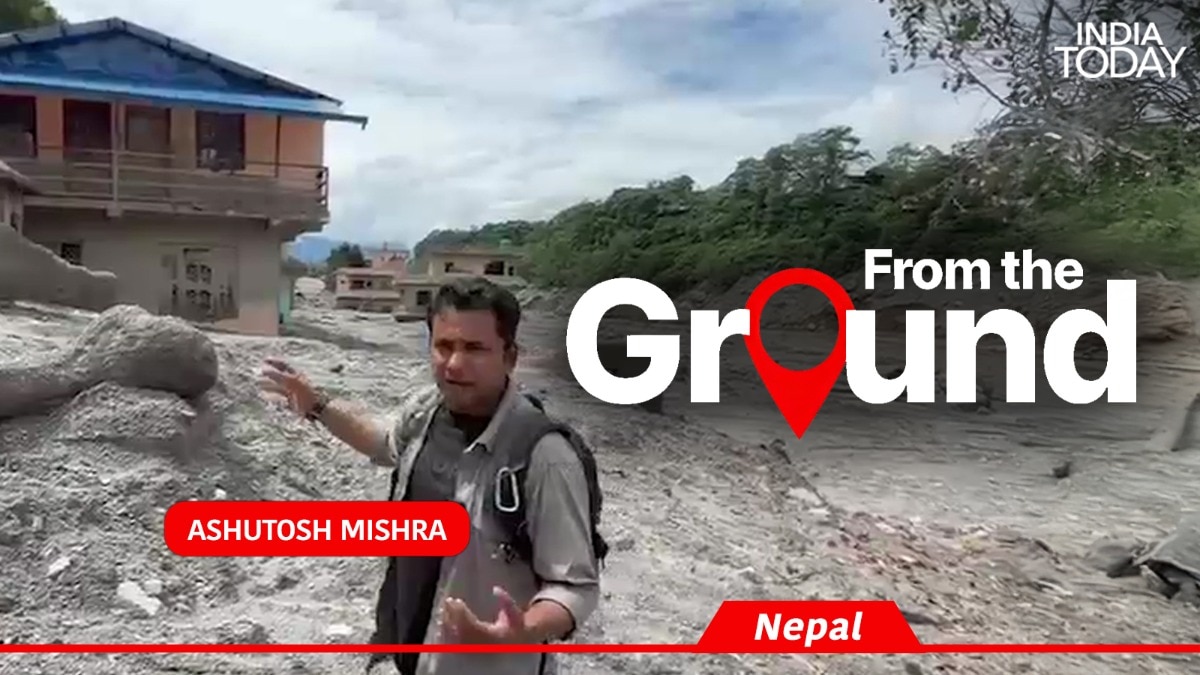
Nepal's flash floods have killed 1,204 people and left 4,216 others missing a week after the disaster struck northern and central parts of the country, with search teams still trying to reach people believed to be trapped in tunnels and underground powerhouses along the Bhotekoshi river. Rescue work has been slowed by rain, debris and difficult terrain after the floods were triggered by an ice-rock avalanche near the Nepal-Tibet border on August 26.
Prime Minister Balendra Shah told Parliament that the disaster's link to climate change must be raised strongly with the international community. As families of many missing people held symbolic funerals, the government said hundreds of foreigners were among those unaccounted for and that Nepal had been coordinating international assistance from the start.
According to Nepal's Disaster Risk Reduction and Management Authority, 348 bodies have been recovered from Chitawan district, 217 from Nawalparasi East, 202 from Nawalparasi West, 155 from Nuwakot, 115 from Rasuwa, 69 from Gorkha, 60 from Dhading and 38 from Tanahu. Of the missing, 583 are foreigners. Joint security teams, including the Nepal Army, have so far rescued 11,993 people by helicopter and land routes, while around 21,314 security personnel have been mobilised for search and rescue operations.
On the Chinese side of the border, officials said the death toll in the flash flood in Gyirong county in Tibet had risen to 21, with 541 others still missing. Chinese Foreign Ministry spokesperson Guo Jiakun said in Beijing on Wednesday that nearly 100 Chinese nationals remained unaccounted for in Nepal.
Addressing the House of Representatives, Shah said the scale of the disaster had raised serious questions about the risks faced by people in the Himalayan region. "According to experts, the flash flood in Bhotekoshi of Rasuwa district was caused by an ice-rock avalanche in the Himalayas. This incident shows the increasing risk the people of the mountain region have to bear with the occurrence of climate change," he said. "Therefore," Shah said, "We need to present the fact in a strong manner to the international community that the disaster is linked to climate change." He added that there was a global contribution behind climate change and that the responsibility to manage and minimise its effects also rested with the global community.
Nepal Police said postmortem and legal identification procedures had been completed for 1,113 bodies, while 95 had been handed over to relatives. Details of 911 unidentified bodies have been uploaded on the Nepal Police website to help families identify missing relatives. Families of those still missing have been making funeral effigies and performing final rites, and dozens of such effigies were cremated in a mass funeral at Pashupati Aryaghat on Wednesday.
Rescue teams made up of the Nepali Army, Armed Police Force, foreign technical experts and project employees have been searching tunnels but have not yet found the missing workers. Ganesh Karki, former president of the Independent Power Producers' Association, Nepal, said the effort had also been slowed by problems in moving equipment and even identifying tunnel entrances. "The material carried by the river has reached over the tunnels," he said, adding that it had become difficult even to determine the exact location of the entrances.
Data released on Tuesday by the Independent Power Producers' Association, Nepal, showed that 947 people from various hydropower projects remained unaccounted for. It said it was not yet clear how many were trapped inside underground powerhouses or tunnels and how many had been swept away by the floods. Home Minister Sudan Gurung said the state was using all available resources to rescue those who might still be alive. More than 557 people are reported missing from the 216-megawatt Upper Trishuli-1 Hydropower Project alone. At the 60-megawatt Upper Trishuli-3A project, 42 people are believed to be trapped inside the underground powerhouse. At the 37-megawatt Upper Trishuli-3B project, 191 people are unaccounted for, while 93 are missing at the 111-megawatt Rasuwagadhi Hydropower Project. Forty-one people are feared trapped at the 20-megawatt Langtang Khola Hydropower Project.
Teams are also moving families from high-risk areas to safer places, clearing roads blocked by debris and coordinating relief and search operations with local authorities and residents. But continuing rain has disrupted operations in Rasuwa and Nuwakot. Meteorologist Rojan Lamichhane of the Department of Hydrology and Meteorology said moderate rain was possible in Bhotekoshi flood-hit areas, including Rasuwa, Nuwakot and Dhading, on Wednesday afternoon. The department recorded 60.2 mm of rain at Nosyam Pati in Sindhupalchok in the previous 12 hours, the highest rainfall in that period. Authorities also warned of heavy rain at a few places in the mountainous areas of Koshi, Bagmati and Gandaki provinces on Wednesday night, further complicating efforts to reach workers believed to be trapped at hydropower projects along the Bhotekoshi and Trishuli rivers.
Shah told Parliament that the government had mobilised security forces immediately after receiving information about the floods and had kept helicopters on standby for search, rescue and relief work. He said there was "no question" of refusing international assistance given the magnitude of the crisis, and that Nepal had coordinated with the international community from the beginning. He said India, Pakistan, China, Bangladesh, Sri Lanka, the US, Australia, Qatar, Switzerland, the UK, Japan and Singapore had provided assistance. He added that the Asian Development Bank, World Bank, European Union and United Nations had also pledged support, while expert teams from India, China and South Korea were being mobilised for rescue operations at hydropower sites.
The floods have disrupted around 400 MW of hydropower capacity, destroyed 40 km of blacktopped roads in the Rasuwa-Nuwakot area and partially damaged another 16 km. They have also damaged 42 suspension bridges and 31 motorable bridges. Shah said more than NPR 7 billion had so far been collected in the Prime Minister's Relief Fund, as Nepal continued search, rescue and relief operations amid rising casualties, thousands still missing and growing concern over the role of climate change in the disaster.
With PTI Inputs
- Ends
Published By:
India Today Web Desk
Published On:
Sep 2, 2026 20:56 IST