1 month ago
Last Updated:February 15, 2026, 17:16 IST
US Treasury Secy says dollar shortage was behind banking collapse, currency devaluation, protests which led to thousands of deaths in Iran in 2025. Economic statecraft explained


A visual from the protests in Iran. (File image: AFP)
US Treasury Secretary Scott Bessent recently said America intentionally created a “dollar shortage" in Iran by targeting oil exports and financially isolating the country to trigger economic collapse and anti-government protests.
This strategy, described as “economic statecraft", led to a banking collapse, currency devaluation, hyperinflation, and mass protests in December 2025, resulting in thousands of deaths during a government crackdown.
What Scott Bessent said
Bessent revealed that Washington deliberately created a ‘shortage of dollars’ in Iran to destroy the currency ‘rial’ and force people onto the streets. This plot, crafted under Trump’s ‘maximum pressure’ policy, collapsed Iran’s economy like a house of cards. Since the protests began in December 2025, more than 6,800 people, including 150 children, have died, making it the worst crisis since the 1979 Islamic Revolution.
Bessent proudly admitted his tactics at the World Economic Forum in Davos. He said this is ‘economic statecraft’, where no shots were fired but the results were bigger than a missile attack.
What is economic statecraft?
Economic statecraft is the use of economic instruments—such as sanctions, foreign aid, trade agreements, and investment screenings—to achieve foreign policy goals and advance national security interests. It involves leveraging economic power to influence, coerce, or reward other nations, acting as a critical component of modern grand strategy.
Key aspects and instruments of economic statecraft include:
Coercive Tools: Sanctions, export controls, trade restrictions, and tariffs are used to punish adversaries or force changes in behaviour, often in competition with rivals like China or Russia.
Positive Inducements: Foreign aid, development assistance, and preferential trade agreements are employed to build alliances, secure influence, and create positive, long-term economic relationships
Strategic Focus: It is increasingly focused on economic security, supply chain resilience, and protecting critical technology, as highlighted by the BCG analysis and the RAND report.
Modern Usage: Often used interchangeably with geoeconomics, it has seen an accelerated, widespread use in the 2020s, according to the Lowy Institute.
3 sources cut at once: What did US do?
The US Treasury tried to cripple Iran’s economy by cutting off three main sources at once:
Attack on oil exports: Iran relies on oil for income. America targeted every stage of Iran’s oil supply chain, stopping foreign currency from coming in.
Banking system blockade: America completely cut off Iran’s access to the international financial system. By threatening ‘secondary sanctions’, they stopped any bank or company in the world from trading with Iran in dollars.
Collapse of the rial: In January 2025, one dollar was worth 700,000 rials, but by January 2026, it had dropped to 1.5 million rials. This caused food prices in Iran to rise by up to 72%.
What was the effect?
Apart from the loss of lives in government crackdown on protests, because of the dollar shortage, Iran can no longer buy medicines, machinery, or essential raw materials.
Local media reports say the US actions have shrunk Iran’s middle class by 28%. People’s lifelong savings have been wiped out. Bessent claims Iran’s leaders are sending their money abroad, calling them ‘rats fleeing a sinking ship’.
Why did US do it? What next?
Washington’s ultimate goal is ‘regime change’ in Tehran. America wants the people, suffering from economic disaster, to overthrow the government themselves.
Now that America’s plan has failed, it is showing its military power to force Iran to accept its conditions. Here are the conditions Trump’s team has set for Tehran: Stop the uranium program. End the ballistic missile program. Stop arming regional groups.
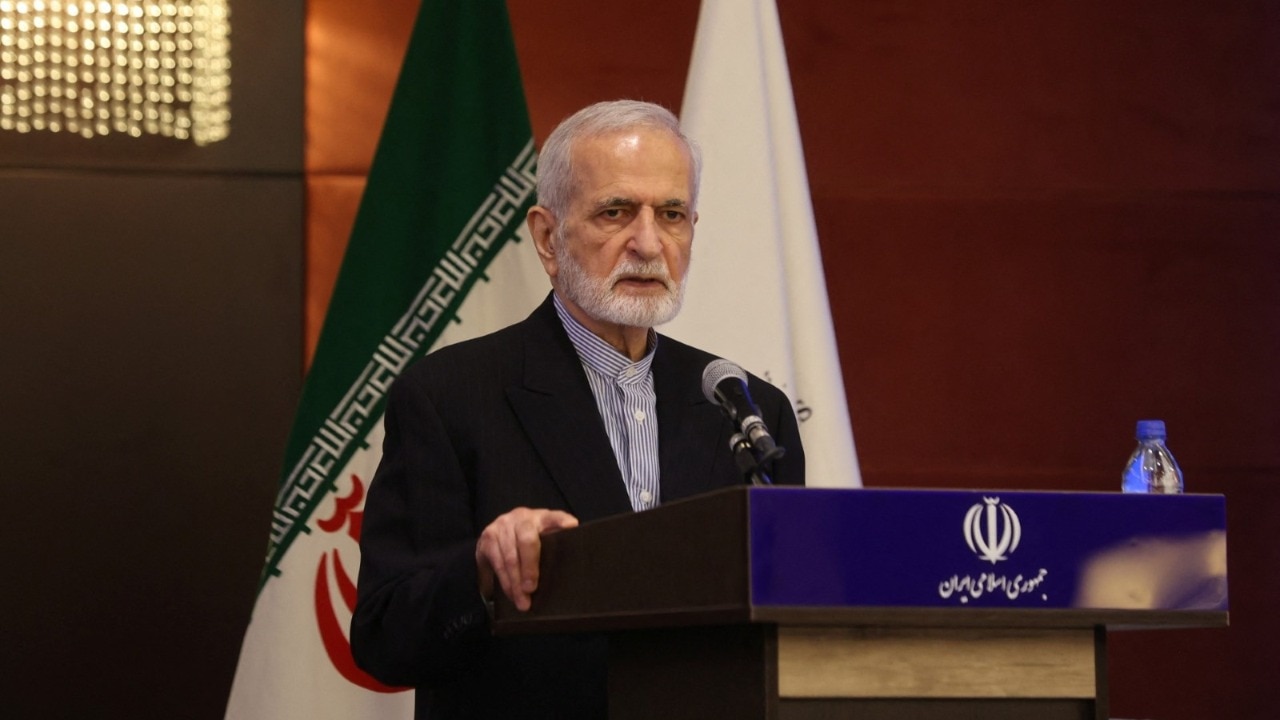
Iran is ready to consider compromises to reach a nuclear deal with the US if the Americans are willing to discuss lifting sanctions, Majid Takht-Ravanchi, Iran’s deputy foreign minister, told the BBC.
The Iranian minister said the ball was “in America’s court to prove that they want to do a deal". “If they are sincere, I’m sure we will be on the road to an agreement," he was reported as saying.
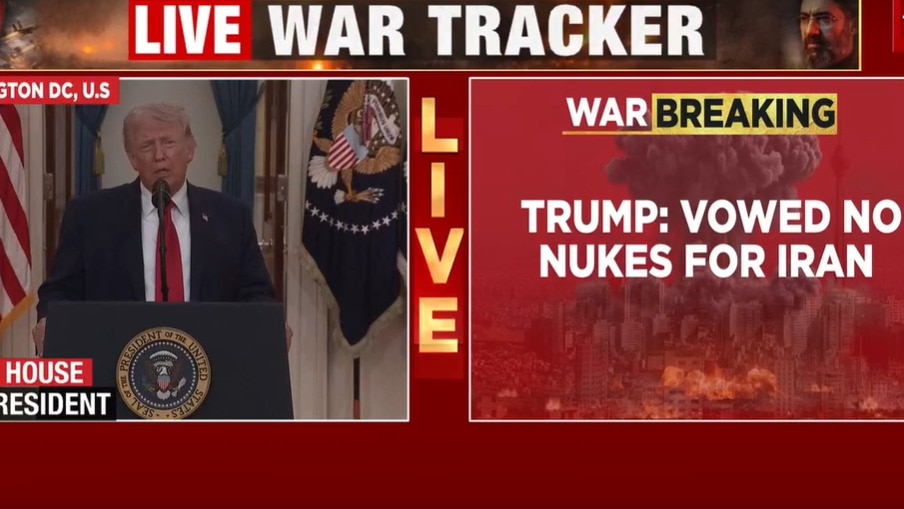
US Secretary of State Marco Rubio, meanwhile, said Iran will never be permitted to acquire a nuclear weapon while noting that President Donald Trump still prefers a diplomatic solution to resolve tensions with Tehran.
The United States and Iran are expected to hold the next round of talks over the nuclear deal on Tuesday in Geneva, Switzerland, CNN reported.
With Agency Inputs
Handpicked stories, in your inbox
A newsletter with the best of our journalism
First Published:
February 15, 2026, 17:16 IST
News explainers ‘No Shots Fired, But Result Better Than Missile Strike’: How Dollar Became US’s Weapon In Iran
Disclaimer: Comments reflect users’ views, not News18’s. Please keep discussions respectful and constructive. Abusive, defamatory, or illegal comments will be removed. News18 may disable any comment at its discretion. By posting, you agree to our Terms of Use and Privacy Policy.
Read More