1 month ago
North Korea said it conducted a joint live-fire drill with missiles, artillery and drones on Saturday. The exercise underscored Pyongyang's military posture as tensions and stalled diplomacy with Washington persist.

Seoul,UPDATED: Sep 14, 2026 07:06 IST
North Korea said on Monday that it had carried out a joint live-fire drill involving missiles, artillery and drones, claiming the exercise showed "the huge destructive power of concentration fire".
South Korea had earlier said it detected short-range ballistic missile launches by the North on Saturday morning. The drill, North Korea’s first public ballistic missile launches in about three weeks, came amid renewed questions over whether diplomacy between Pyongyang and Washington can restart.
North Korea’s official Korean Central News Agency said the drill took place on Saturday and was meant to familiarise troops with the procedure for operating an integrated firepower control system. After watching the exercise, Marshal Pak Jong Chon said it would "improve the level of specialisation to bring down the enemy's armed forces organisationally and structurally once an order is issued". He added that the weapons systems used showed "the huge destructive power of concentration fire", KCNA said.
South Korea’s military said it detected the launches from the North’s eastern coastal Wonsan area. The South’s Joint Chiefs of Staff said several missiles fired on Saturday flew about 250 kilometres each towards North Korea’s eastern waters. The flight distances indicate the weapons are meant to strike targets in South Korea. North Korea’s claims about its weapons tests are extremely difficult to verify independently.
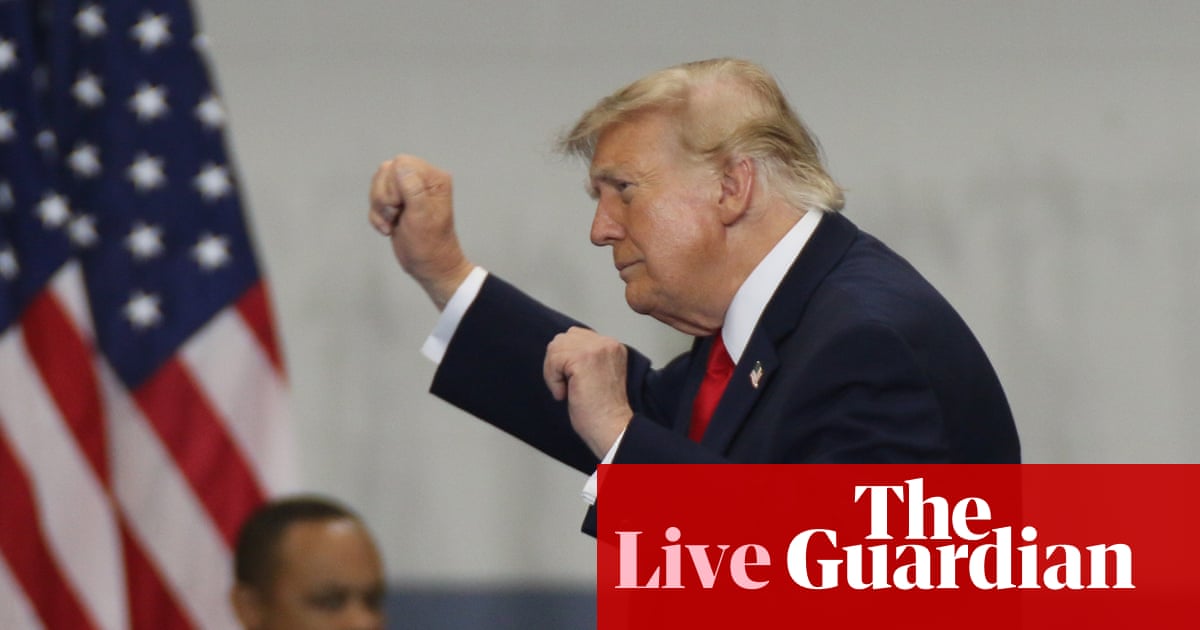
Last month, US President Donald Trump scaled back a major bilateral military drill with South Korea, saying he had a good relationship with North Korean leader Kim Jong Un. The move appeared to be an attempt to revive diplomacy, but North Korea rejected the overture and said that simply shortening the drill would not change its "provocative, aggressive nature".
Experts say Kim, backed by North Korea’s advancing nuclear arsenal and closer ties with Russia and China, likely believes he now has greater leverage in possible diplomacy with the United States than he did when he first met Trump in 2018 and 2019. Earlier this year, Kim said he could return to talks if the US drops its "hostile policy" towards North Korea and accepts what he describes as the North’s status as a nuclear state.
In sum, North Korea used the latest drill to highlight its missile and artillery capabilities, while South Korea tracked the launches and wider political tensions remained unchanged despite recent moves by the US to reopen dialogue.
With PTI Inputs
- Ends
Published By:
India Today Web Desk
Published On:
Sep 14, 2026 07:06 IST