1 month ago
Pakistan Foreign Minister Ishaq Dar after consultations with foreign ministers from Saudi Arabia, Turkey and Egypt, said that the discussions are focused on securing an early and permanent end to the conflict, alongside possible direct talks between Washington and Tehran.
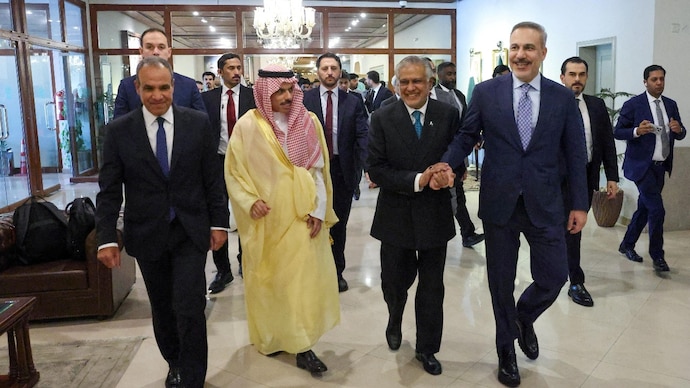
Foreign Ministers Badr Abdelatty of Egypt, Prince Faisal bin Farhan Al Saud of Saudi Arabia, Ishaq Dar of Pakistan and Hakan Fidan of Turkey meet to discuss regional de-escalation, amid the U.S.-Israel conflict with Iran, in Islamabad (Photo- Reuters)

UPDATED: Mar 30, 2026 04:08 IST
Pakistan said on Sunday it was preparing to host “meaningful talks” between the United States and Iran in Islamabad in the coming days, positioning itself at the centre of a growing diplomatic push to end the widening regional war.
Speaking after consultations with foreign ministers from Saudi Arabia, Turkey and Egypt, Pakistan Foreign Minister Ishaq Dar said the discussions focused on securing an early and permanent end to the conflict, alongside possible direct talks between Washington and Tehran.
“Pakistan will be honoured to host and facilitate meaningful talks between the two sides in coming days, for a comprehensive and lasting settlement of the ongoing conflict,” news agency Reuters reported him saying.
It was not immediately clear whether the United States and Iran had agreed to participate. The White House and the U.S. State Department did not immediately comment.
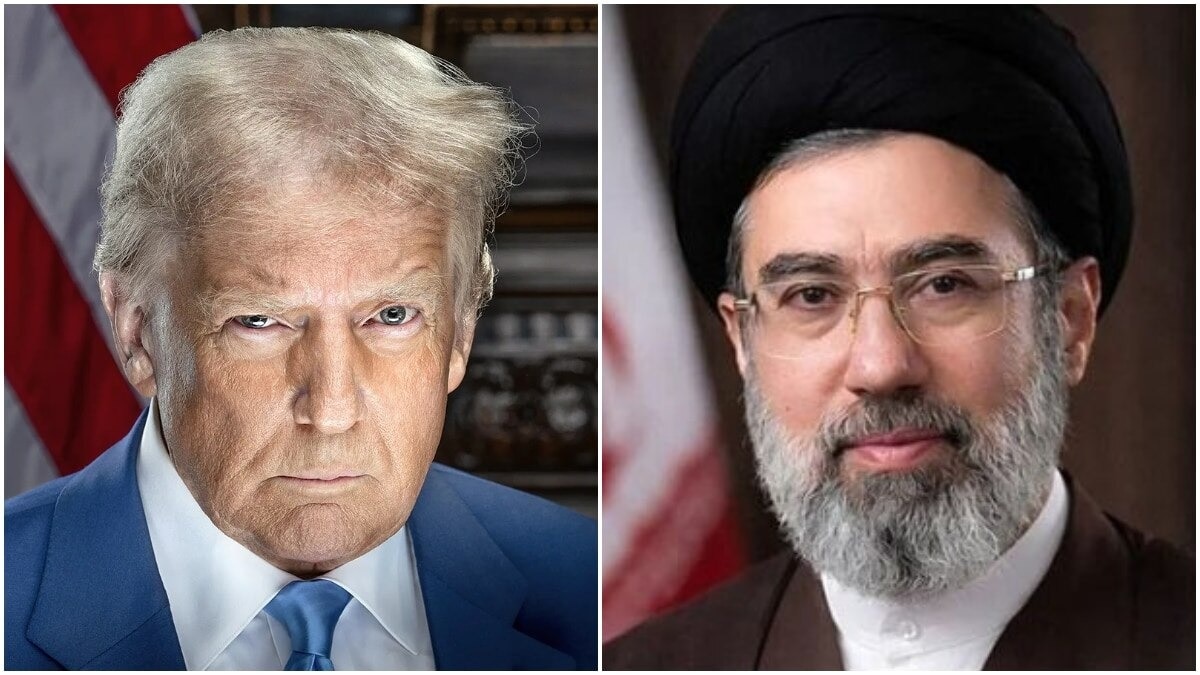
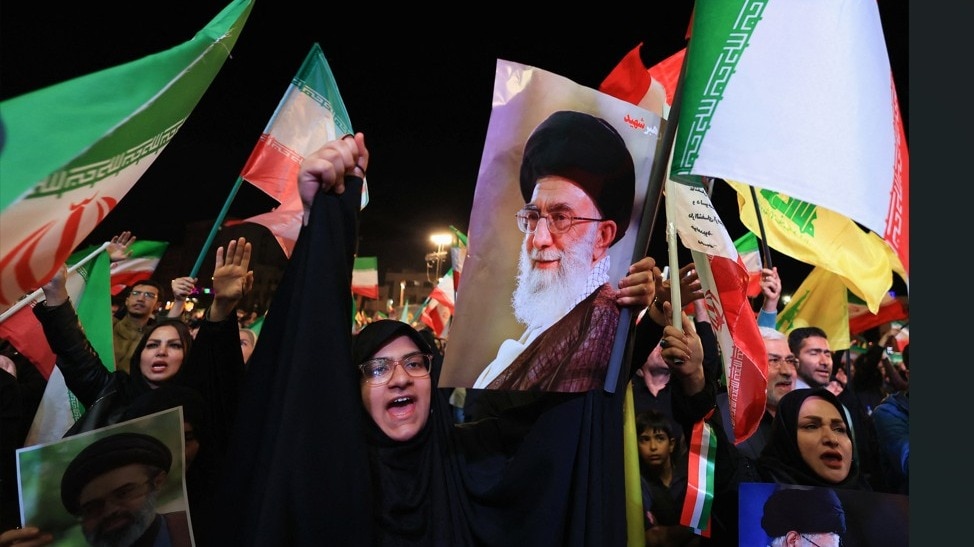
Pakistan’s diplomatic initiative comes as Tehran hardened its stance against Washington. Iran’s parliament speaker Mohammad Baqer Qalibaf accused the United States of floating negotiations while simultaneously preparing a possible ground offensive.
“As long as the Americans seek Iran's surrender, our response is that we will never accept humiliation,” he said in a message to the nation.
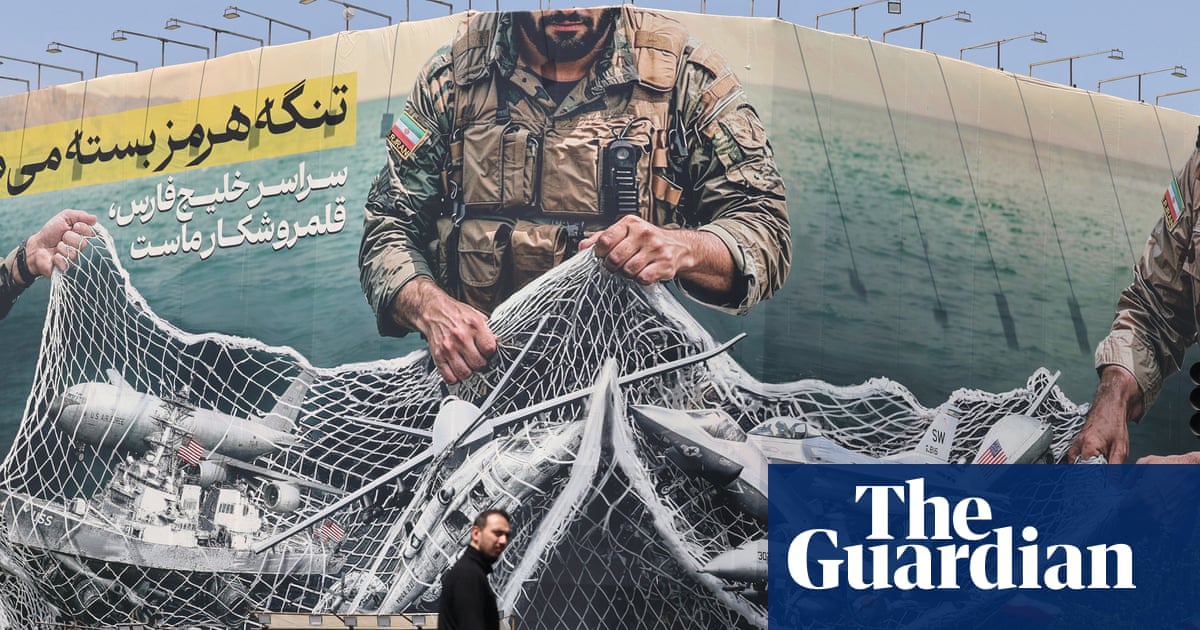
Regional officials said early discussions in Islamabad also centred on proposals to reopen the Strait of Hormuz, which Iran has effectively blockaded since the US and Israel launched attacks on February 28. The disruption has intensified pressure on global oil and gas markets as the conflict entered its second month.
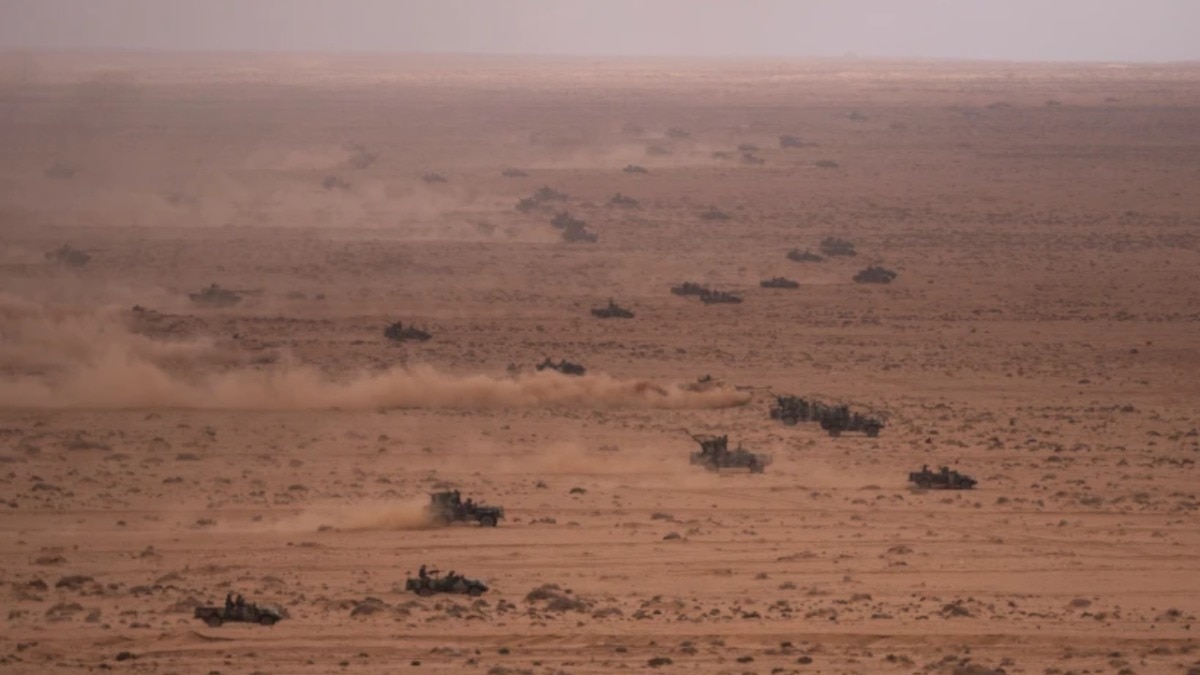
The fighting showed no signs of easing. Israel said it carried out more than 140 air strikes across central and western Iran over the previous 24 hours, targeting ballistic missile launchers, storage facilities and sites in Tehran. Iran responded with fresh missile barrages, including strikes near Beer Sheva in southern Israel that wounded 11 people and triggered hazardous material warnings after a chemical plant was hit.
The conflict widened further after Yemen’s Iran-aligned Houthis launched their first attacks on Israel, raising fears of disruptions at the Bab el-Mandeb Strait, another critical global shipping route.
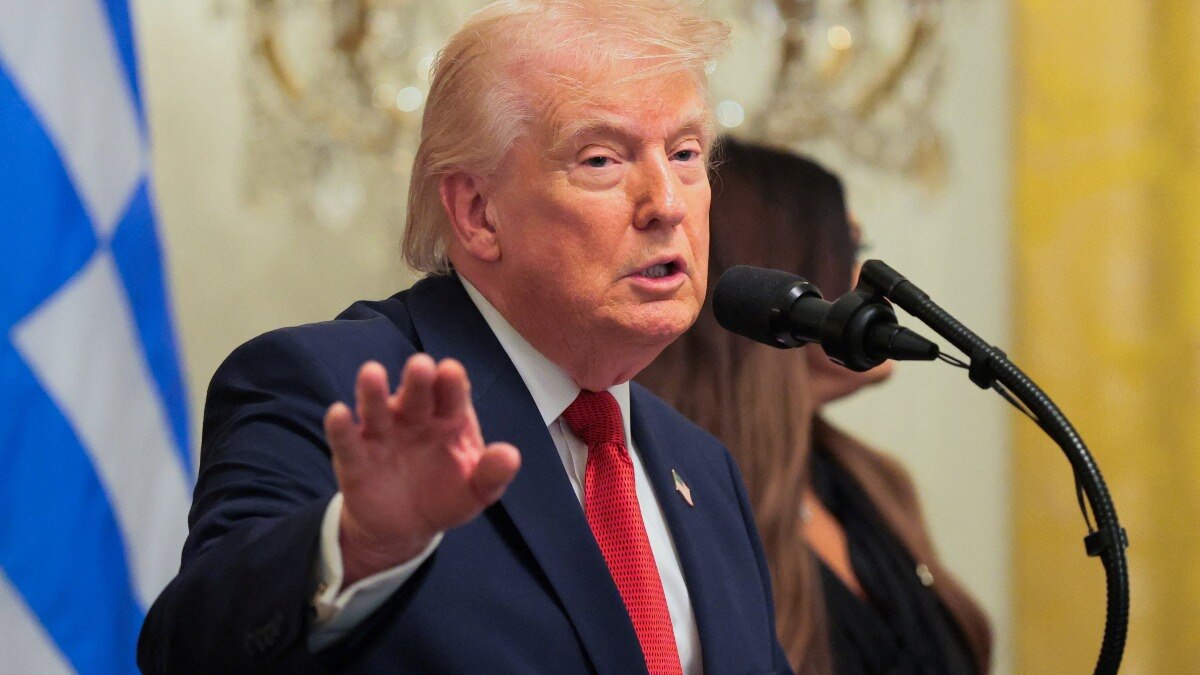
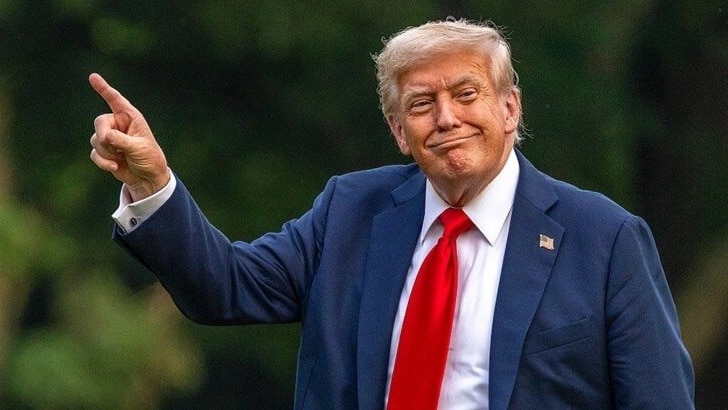
Meanwhile, Washington has begun deploying additional Marines to the Middle East, with the first contingents arriving aboard amphibious assault ships. U.S. officials told the Washington Post the Pentagon is preparing for the possibility of weeks-long ground operations in Iran, though President Donald Trump has yet to approve any such move.
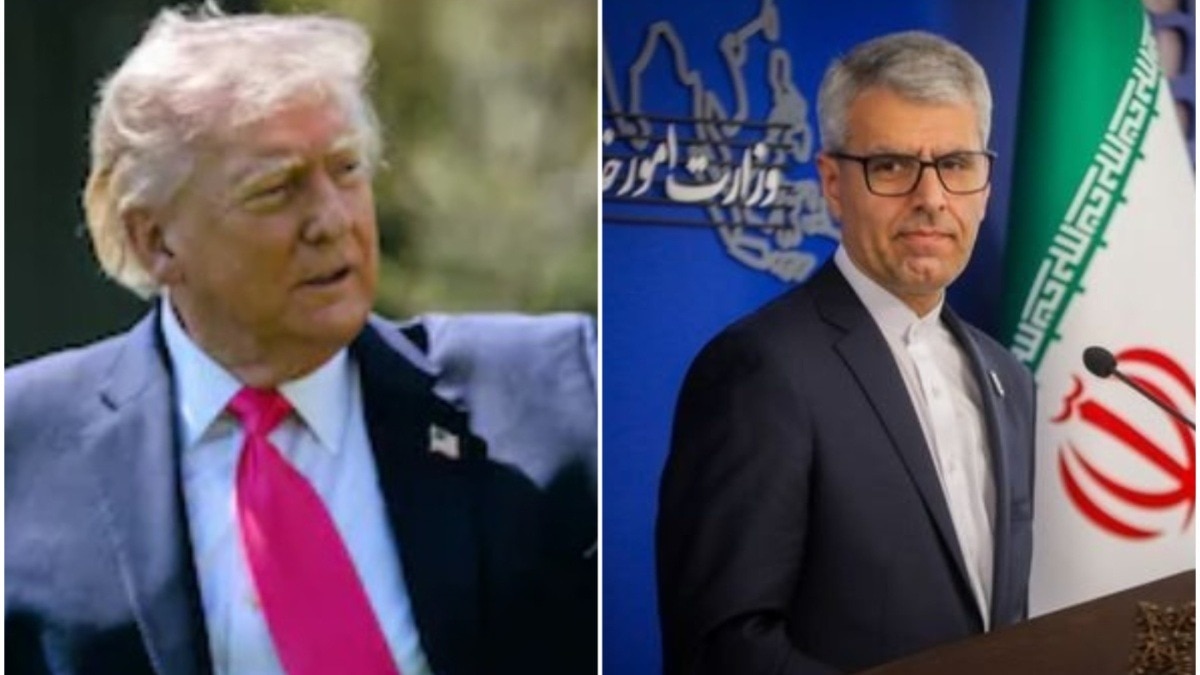
Despite the military escalation, diplomatic efforts remain active. Washington last week proposed a 15-point ceasefire plan that included reopening the Strait of Hormuz and restricting Iran’s nuclear programme, but Tehran rejected the offer and presented counterproposals.
- Ends
Published By:
Zafar Zaidi
Published On:
Mar 30, 2026 04:08 IST
Tune In