1 month ago
While a ceasefire deal is in place between the US, Israel and Iran, they have been busy in the past 24 hours contradicting each other and themselves in terms of what's actually been agreed to, especially regarding Lebanon. It has put Pakistan, which mediated the deal, at the centre of the storm.
US Iran ceasefire Pakistan

New Delhi,UPDATED: Apr 9, 2026 11:16 IST
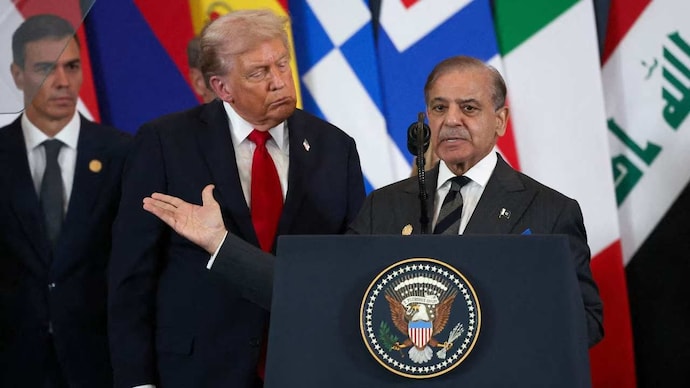
April 8, 2026, was a day of jubilation for Pakistan. After all, it secured its biggest diplomatic win in years by mediating the US-Iran ceasefire. However, within hours, the ceasefire came under strain as Israel carried out its largest strike across Lebanon, Iran's ally, killing hundreds. The confusion - was Lebanon part of the ceasefire or not? Pakistan, which was responsible for interpreting the agreement to both sides, now finds itself at the centre of the storm.
The US and Israel said Lebanon, which Tel Aviv has pounded since March 2, was never part of the ceasefire deal. According to Iran, it was. When Pakistani Prime Minister Shehbaz Sharif announced the ceasefire between the US and Iran on Wednesday, he explicitly mentioned in capital letters that it applied "everywhere", including Lebanon.
"Iran and the United States, along with their allies, have agreed to an immediate ceasefire everywhere, including Lebanon and elsewhere, EFFECTIVE IMMEDIATELY," Sharif tweeted.
DIFFERING NARRATIVES ON CEASEFIRE DEAL
It was seconded by Pakistan's ambassador to the US, Rizwan Saeed Sheikh, in an interview with CNN. Sheikh emphasised that Lebanon was included in the ceasefire framework and the announcement by Sharif "could not have been more authentic" to what had been agreed between the parties. However, in a cautious note, he also added that ceasefires in the region have historically been fragile.
However, Israeli Prime Minister Benjamin Netanyahu denied Pakistan's assertion that the ceasefire covered the conflict in Lebanon. Thus, within hours of the truce deal announcement, Israel carried out a large wave of airstrikes, killing over 250 people and leaving over 1,000 injured.
Lebanon got embroiled in the conflict after the armed group Hezbollah, a proxy of Iran, attacked Israel. Israel retaliated by pounding Beirut and key Lebanese cities, killing over 1,500 people since March 2.
In a sharply worded statement, Iran's Parliament Speaker Mohammad Bagher Ghalibaf accused the US and Israel of violating the ceasefire. "In such a situation, a ceasefire or negotiations are unreasonable," Ghalibaf, who is likely to lead peace talks with the US, said.
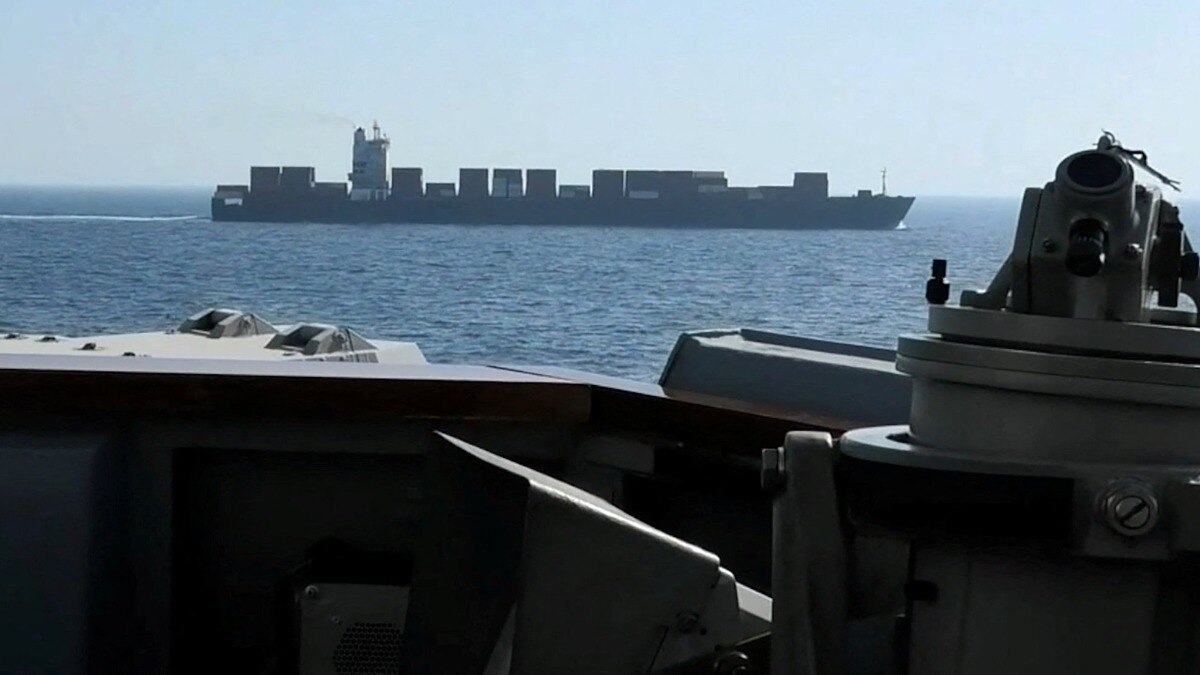
In retaliation, Iran, which opened the Strait of Hormuz briefly after the ceasefire, closed it again and stopped the transit of oil tankers, Iran's state-run Fars news agency said.
DID PAKISTAN BOTCH IT UP?
Now, interpreting the ceasefire deal and communicating it to both sides was Pakistan's responsibility. In all likelihood, Pakistan botched it up.
Iranian media reported that Pakistan might have handed the US a version different from the one it received from Iran. To Iran, Pakistan might have provided a different version from what it received from Washington, The Middle East reported.
Even US Vice President JD Vance seemed to suggest so, without explicitly naming Pakistan. Speaking to reporters, Vance suggested that Iran's negotiators were made to believe that the two-week ceasefire deal included Lebanon.
"This comes from a legitimate misunderstanding. I think the Iranians thought that the ceasefire included Lebanon, and it just didn't. We never made that promise," Vance, who will lead the US delegation for talks in Islamabad this weekend, said. He underscored that the agreement was intended to focus on Iran and US allies (Gulf states).
The developments have led to growing scrutiny over Pakistan's role as the intermediary. It needs some explaining on how both sides walked away with different expectations from the ceasefire deal. Even more so, given the clarity with which the US and Israel have rejected its version.
Experts have blamed Pakistan for not properly communicating the terms of the ceasefire.
"This is the Punjabi way of negotiations. Imprecise, uncertain, expedient, all aimed at getting an agreement without the finer details so that the moment is not missed... Contractors, realtors, and property dealers in New York and Lahore are past masters in such botched deal-making," geopolitical analyst Sushant Sareen tweeted.
- Ends
Published By:
Abhishek De
Published On:
Apr 9, 2026 11:16 IST
Tune In