4 weeks ago

UPDATED: Jan 22, 2026 16:50 IST
India Today Executive Editor Pranay Upadhyay discusses the geopolitical implications of President Donald Trump's proposed 'Board of Peace'. Upadhyay highlights that the membership of the Gaza Peace Board 'comes with a price', with reports suggesting a $1 billion cash contribution. He notes that while 59 countries are participating, significant nations like India, Russia, and China are seeking more clarity on the charter's accountability and long-term structure. The discussion covers Pakistan's willingness to pay the hefty fee despite its debt to gain proximity to Trump, a move criticized by former diplomats like Maleeha Lodhi due to the requirement of sitting with Israel. Upadhyay also addresses concerns that the Board of Peace could serve as an alternative to the United Nations, which many leaders, including Prime Minister Narendra Modi, have criticized for failing to reflect current global realities. The segment concludes by questioning the accountability of the funds and the sustainability of the body beyond the Trump presidency.
Read More
VIDEOS FROM OTHER SECTIONS
LATEST VIDEOS
Donald Trump Unveils 'Board Of Peace' At Davos, Claims Destruction Of Iran's Nuclear Capacity
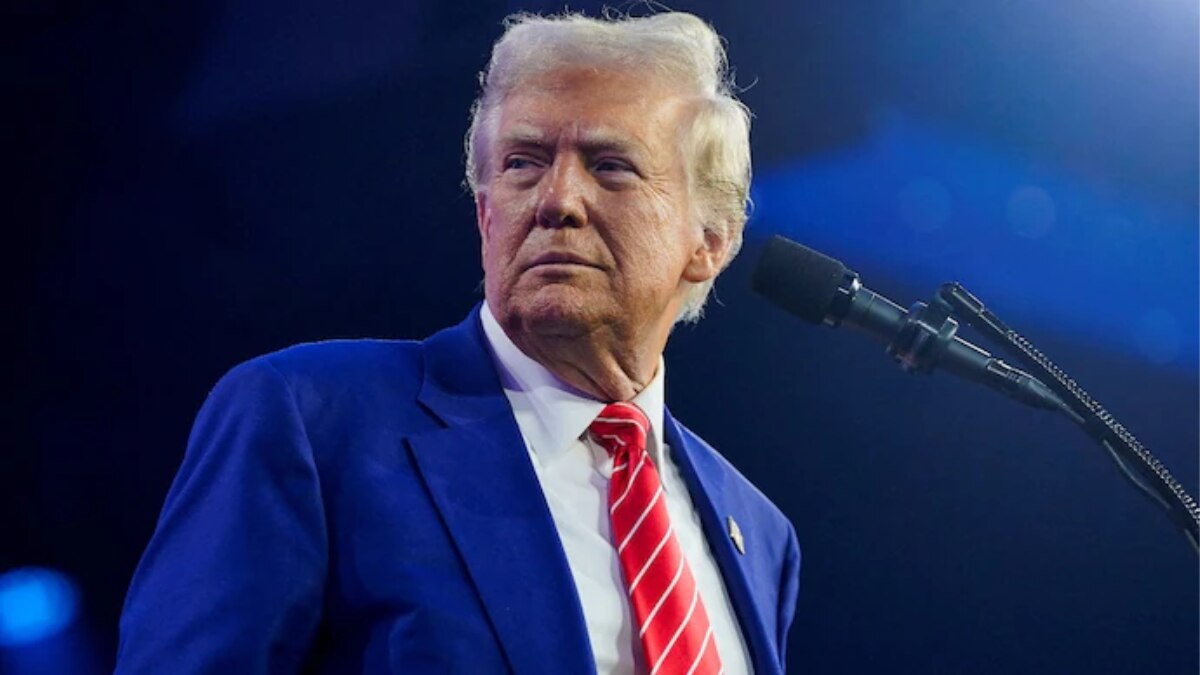
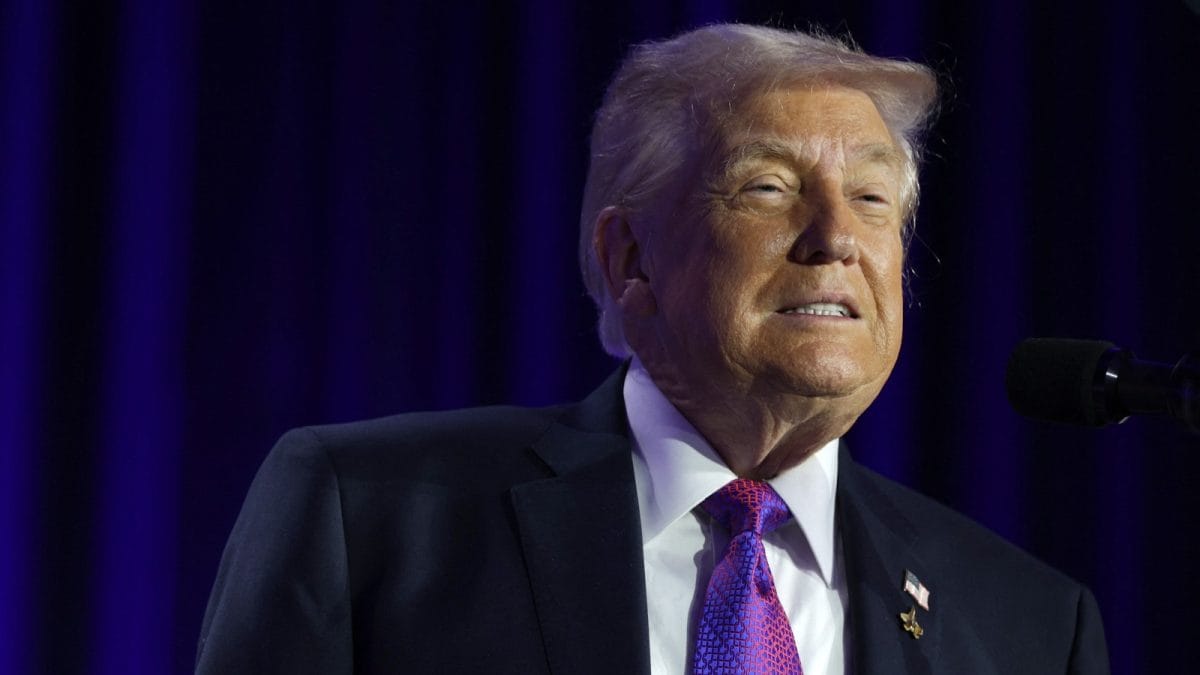
On this special report, the focus is on United States President Donald Trump’s address at Davos, where he announced the formal establishment of the 'Board of Peace'. Trump declared himself the founding chairman of this international body, which he claims will work in conjunction with the United Nations to resolve global conflicts. During his speech, he made the significant claim that 'In another great victory for the ultimate goal of peace in June, we obliterated Iran's nuclear enrichment capacity with Operation Midnight Hammer.' He further detailed his administration's efforts in Gaza, claiming the release of all living hostages and the delivery of record humanitarian aid. Trump also highlighted his military and economic achievements, including securing 5 percent GDP defense spending commitments from NATO allies and the capture of Nicolas Maduro. The programme examines the implications of this new organization and Trump's 'America First' approach to global security and energy dominance.
Ian Bremmer On Trump's 'Board Of Peace', Greenland Policy, And India's Strategic Leverage
In this exclusive interview from Davos, Ian Bremmer, President of Eurasia Group, provides a sharp analysis of the 'Trumpian era' and its impact on global geopolitics. Bremmer argues that while Donald Trump dominates headlines, Chinese President Xi Jinping remains a more powerful leader due to his lack of domestic institutional constraints. He discusses the recent failure of Trump's Greenland policy, citing it as a rare instance where European pushback forced a retreat. Bremmer highlights India's strong position, noting that Prime Minister Narendra Modi is well-placed to resist US coercion due to India's economic growth and strategic importance in the Quad. On the 'Board of Peace' for Gaza, Bremmer advises India to ensure participation does not undermine multilateral institutions. He further elaborates on his 'G0 world' theory, describing a 'geopolitical recession' where the world is transitioning into a multipolar economic order but remains unipolar in security, while technology becomes increasingly 'technopolar' under the influence of major corporations.
Devendra Fadnavis Defends Davos MOUs, Cites High FDI Inflow Amid Opposition Criticism
In an exclusive interaction with India Today, Maharashtra Deputy Chief Minister Devendra Fadnavis addressed the ongoing speculation regarding the Mumbai Mayor's post and the state's investment pacts in Davos. Speaking on the perceived 'tug of war' between the BJP and the Eknath Shinde-led Shiv Sena, Fadnavis stated, 'I will reach Mumbai and sit with Mr. Shinde. All the news will stop. We will decide our formula.' He dismissed reports of a rift, asserting that both sides would be satisfied with the eventual decision. Furthermore, Fadnavis defended the Memorandums of Understanding (MOUs) signed at the World Economic Forum, countering opposition claims that the trip was a 'picnic.' He clarified that none of the MOUs signed in Davos have less than 60% Foreign Direct Investment (FDI), with some reaching 80%. He specifically addressed investments involving Mangal Prabhat Lodha’s company, explaining that the project brings significant hyperscaler investment to Maharashtra through international collaborations.
Yogi Adityanath Slams 'Love Jihad' Conspiracy To Change Demography In Uttar Pradesh
On this India Today special report, the focus is on Uttar Pradesh Chief Minister Yogi Adityanath's latest remarks regarding 'love jihad'. The Chief Minister has claimed there is a deliberate conspiracy to change the state's demography by targeting young women. During his address, Adityanath stated, 'The demography in the name of love jihad, which is being played with our daughters, will be stopped.' He further emphasized the importance of making families 'cultured' to contribute to the development of a sustainable nation. The report highlights that this is not the first time the Chief Minister has raised concerns over this issue, noting that the Uttar Pradesh administration and police have previously taken strict actions in such matters. The Chief Minister's statement underscores his government's hardline stance on demographic shifts and the protection of women, framing the issue as a significant challenge to national development and social stability.