 1 hour ago
Rupee opens slightly stronger at 92.83 per dollar after RBI support, but upside seen limited amid volatile oil, fragile West Asia ceasefire and cautious capital flows.
By Anshul April 20, 2026, 9:15:06 AM IST (Updated)
2 Min Read
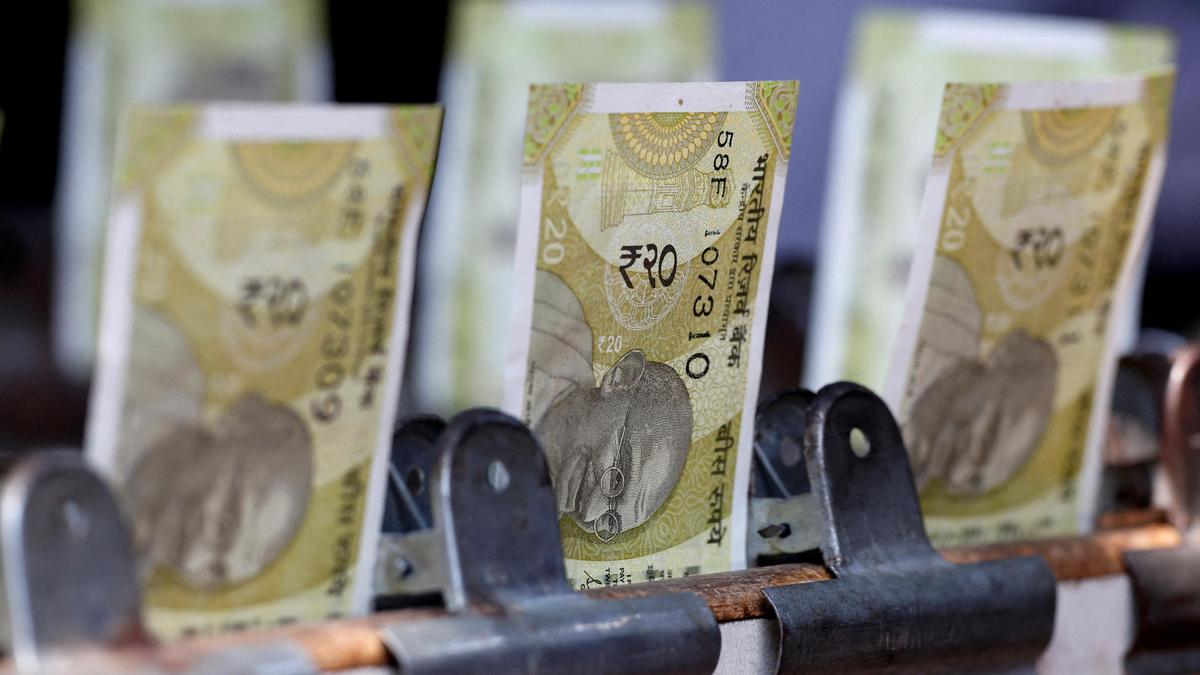
The Indian rupee opened marginally stronger on Monday (April 20), rising to 92.83 against the US dollar compared with Friday’s (April 17's) close of 92.93, as traders assessed the sustainability of a ceasefire in the West Asia and the scope for further gains in the currency.
The rupee has recovered significantly from its record low of 95.21 touched on March 30, supported largely by measures undertaken by the Reserve Bank of India. These include curbs on arbitrage trading by banks and corporates, along with guidance to state-run oil refiners to moderate dollar purchases in the spot market, which has helped ease pressure on the domestic currency.
A moderation in foreign equity outflows has also lent support to the rupee’s recent rebound.
However, market participants remain cautious about the currency’s upside potential. Persistent volatility in global oil prices, subdued capital flows, and continued hedging demand from importers are expected to limit further appreciation.
Traders indicated that the dollar/rupee pair is likely to find strong support in the 92.50–93.00 range, with one market participant noting that a sustained move below the 93 level appears unlikely in the near term.
Meanwhile, global cues remain fragile. Oil prices rebounded sharply on Monday (April 20), reversing much of the previous session’s losses, amid renewed concerns over the durability of the ceasefire between the United States and Iran. Tensions escalated after Washington announced the seizure of an Iranian cargo vessel accused of violating its blockade, drawing threats of retaliation from Tehran.
Iran has also indicated it will not participate in a planned second round of negotiations with the US ahead of the ceasefire deadline, adding to uncertainty in the region.
Analysts said financial markets remain highly sensitive to developments in the West Asia, with investors closely tracking whether signs of de-escalation are sustainable or merely short-term triggers for volatility.
-With agencies inputs
First Published:
Apr 20, 2026 9:13 AM
IST